THE LEGEND OF ZELDA at 40: A Look Back at the Classic Nintendo Fantasy Adventure Game
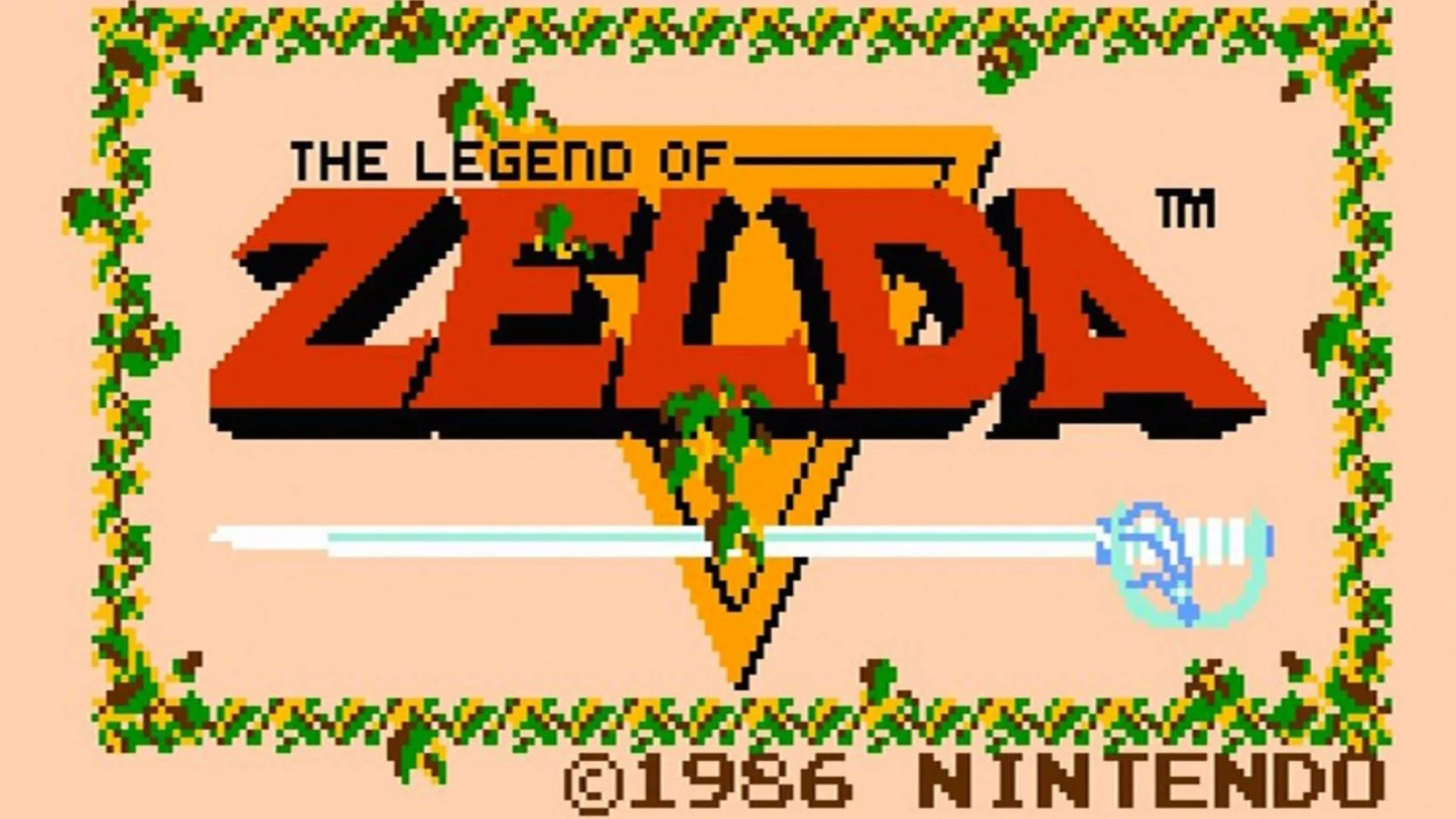
This year marks the 40th anniversary of The Legend of Zelda, and that’s kind of wild to think about. Four decades ago, Nintendo dropped players into a pixelated fantasy world with almost no instructions, a wooden sword, and a map full of secrets.
What followed wasn’t just a hit video game. It was the birth of one of the most important franchises in gaming history.
For many of us, the original The Legend of Zelda on the NES wasn’t just a game we played. It was an obsession. I can still remember sitting on the floor with a friend for hours, scribbling down crude dungeon maps, arguing about which wall might hide a secret passage, and celebrating like maniacs when we finally beat it. Winning that game was a glorious experience!
I recently dove back into it, and It’s still a blast. It’s still tough, and it still captures something modern games are constantly trying to recreate.
When Shigeru Miyamoto and Takashi Tezuka introduced the world to Hyrule in 1986, they were doing something radically different. At a time when most games were built around chasing high scores or running through short, linear stages, The Legend of Zelda handed players a massive overworld and basically said, “Good luck.”
There was no glowing waypoint. No quest log. You could head in almost any direction from the start. That sense of freedom was rare back then with a video game.
Miyamoto famously drew inspiration from his childhood exploring forests and caves near his home in Japan, and you can feel that spirit baked into the game’s design.
It isn’t about racing to the end. It’s about curiosity and exploring. What happens if you burn that bush? What if you bomb that suspicious wall? Why does that lake look different? Every screen feels like it’s hiding something.
The original NES release also featured a battery-backed save system, which was a huge deal at the time. Instead of jotting down long passwords, you could actually save your progress. That allowed the game to be bigger, more ambitious, and more immersive. It felt like a true adventure you could come back to, not just a quick arcade session.
Although, there was one time when I forgot to save the game during my first play through and I lost hours and hours of progress, which was devestating!
What’s fascinating is how clearly the DNA of the franchise was established right there in 8-bit form. The Triforce. The princess. Ganon. Dungeons with distinct identities. Progressive upgrades that transform how you approach the world. That magical moment when you finally get a stronger sword and realize you’re no longer helpless. Every core element that defines later entries was already present.
All of the games that followed are all built on the same foundation of the original game. Exploration comes first. Discovery is rewarded. The world doesn’t revolve around you. You have to figure it out. That spirit hasn’t changed in 40 years.
And let’s talk about difficulty, because the original game doesn’t mess around. Enemies hit hard. Resources are scarce. Dungeons can be labyrinths that test your patience and memory.
Back in the day, there were no online guides to lean on. You traded secrets at school. You passed around rumors about hidden items. Sometimes they were true. Sometimes they were completely made up. That mystery made the experience even better!
Replaying it now, I’m reminded just how much it demands from the player. You have to pay attention. You have to experiment. The game doesn’t explain itself. It trusts you to explore and learn. That trust creates investment. When you finally conquer a dungeon or defeat Ganon, it feels like you accomplished something real.
The surprise Second Quest only adds to that legacy. After finishing the game, players were thrown into a remixed version of the world with rearranged dungeons and tougher challenges. It was a brilliant way to extend the adventure and reward those who were willing to keep pushing forward.
From a historical perspective, the impact of the original The Legend of Zelda on video game design can’t be overstated. It helped define the action-adventure genre. It paved the way for open-world concepts long before that term was common. The idea of giving players freedom and trusting them to chart their own path has influenced generations of developers.
But beyond the industry talk, there’s something more personal about this game. For many of us, it represents a specific time in our lives. Sitting cross-legged in front of a tube TV. Braggin to your friends about finding a new heart container. The frustration of getting wiped out in a dungeon, followed by the determination to try again.
When my friend and I finally defeated Ganon all those years ago, it felt like we had conquered something monumental. We didn’t just beat a game. We survived an adventure. That memory still sticks with me. It’s one of those gaming moments that shaped why I love this medium in the first place.
Forty years later, the franchise stands as one of Nintendo’s crown jewels. Each new installment reinvents the formula while honoring the original. The core themes remain intact. Courage. Exploration. Discovery. The thrill of stepping into the unknown.
Playing the original game again now, in an era of massive open-world titles and cinematic storytelling, it’s amazing how well it holds up. The graphics are simple. The controls are straightforward. Yet the experience still feels alive. It still invites you to wander off the beaten path. It still dares you to figure things out on your own.
That’s the magic of The Legend of Zelda. It wasn’t just the first chapter of a long-running series. It defined what the series would always stand for. Freedom. Mystery. Adventure.
Forty years later, we’re still picking up that wooden sword, stepping into Hyrule, and seeing what secrets we can uncover, and I wouldn’t have it any other way.