A 34-Year Game Dev Veteran Says CLAIR OBSCUR: EXPEDITION 33 Broke Everything He Thought He Knew About Making Games
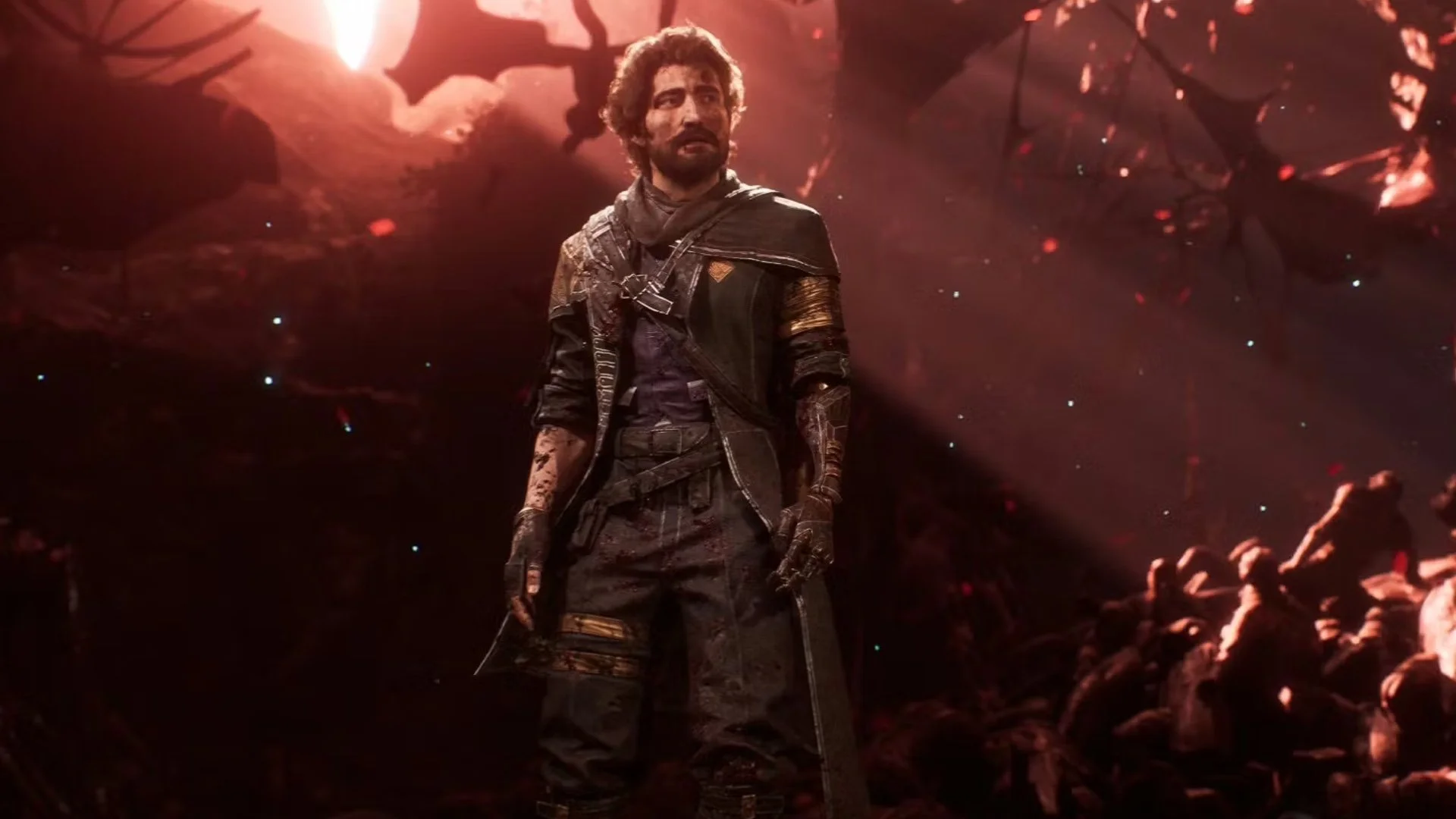
Last year, Clair Obscur: Expedition 33 landed flipped a lot of assumptions about RPG development on their heads. The game didn’t just look great. It felt polished, confident, and expensive in ways usually reserved for studios with hundreds of developers and massive budgets.
What nobody expected was how small and relatively inexperienced the team behind it actually was. That revelation hit one longtime developer so hard that he says it completely shattered how he thinks about making games.
That developer is Adrian Chmielarz, a 34-year veteran of the industry and current creative director on Witchfire. In a recent conversation with GamesIndustry.biz, Chmielarz admitted that learning more about how Clair Obscur: Expedition 33 was made left him genuinely shaken.
"Last week I learned that the guys behind Expedition 33 hired a lot of newbies, people who didn't make a game before, and now my world view is ruined, and I don't know what to do."
The studio behind the game, Sandfall Interactive, isn’t completely green. Creative director Guillaume Broche previously worked at Ubisoft before founding the team. Still, a large portion of the core developers were first-timers. That’s the part Chmielarz can’t wrap his head around, especially given the final result.
"Here we have a game that looks AAA to me, it's just phenomenal in every aspect. There's a deep story, deep method of work, good gameplay, great visuals and sound.
“It's a very coherent product. And then you hear that the core team was 30 people, half of which were first timers. And I'm like, 'I don't know what to believe anymore.'"
Chmielarz’s career stretches back to 1992, and he’s best known as a co-founder of People Can Fly, the studio behind cult favorites like Painkiller and Bulletstorm, as well as major contributions to the Gears of War franchise.
After leaving, he formed The Astronauts, where he served as creative director on The Vanishing of Ethan Carter and now leads development on Witchfire.
Interestingly, The Astronauts is even smaller than Sandfall Interactive, and like them relies on outsourcing. Size alone isn’t the shock. It’s how efficiently Sandfall worked around the traditional pain points of RPG development.
"When you actually look at Expedition 33 from a designer's point of view, there's an incredible amount of smart decisions that allow them to make a game that looks AAA, but is in reality full of shortcuts.”
One of the simplest examples is enemy design. "Enemies don't have faces." That single choice eliminates an enormous amount of animation work. Then there’s how the game handles its story moments.
"I couldn't understand how such a small studio can produce such high-quality cinematics. But then when you watch it, 99% of these cut scenes are actually theatre plays, meaning the characters do not interact with the environment: It's just a person talking to another person."
By avoiding complex physical interactions, the team dramatically reduced production overhead while still delivering scenes that feel cinematic and intentional. According to Chmielarz, those decisions add up fast.
Clair Obscur: Expedition 33, he explains, "is absolutely full to the brim with really smart ideas, but in order to make these ideas, first you need to understand how games work.
“You have to have this experience in order to find these shortcuts. So apparently there's a couple of really, really talented individuals in that studio who were finding all these ways to make this game appear way bigger than it really is."
For a veteran who’s spent decades navigating the realities of game development, that realization isn’t discouraging. It’s unsettling in the best way.
Clair Obscur: Expedition 33 doesn’t just prove that smaller teams can compete with AAA studios. It shows that with the right design instincts, smart constraints, and a few fearless newcomers, the old rules don’t always apply anymore.