Amazon Cancels STARGATE Revival and it's a Bigger Deal Than Fans Realize
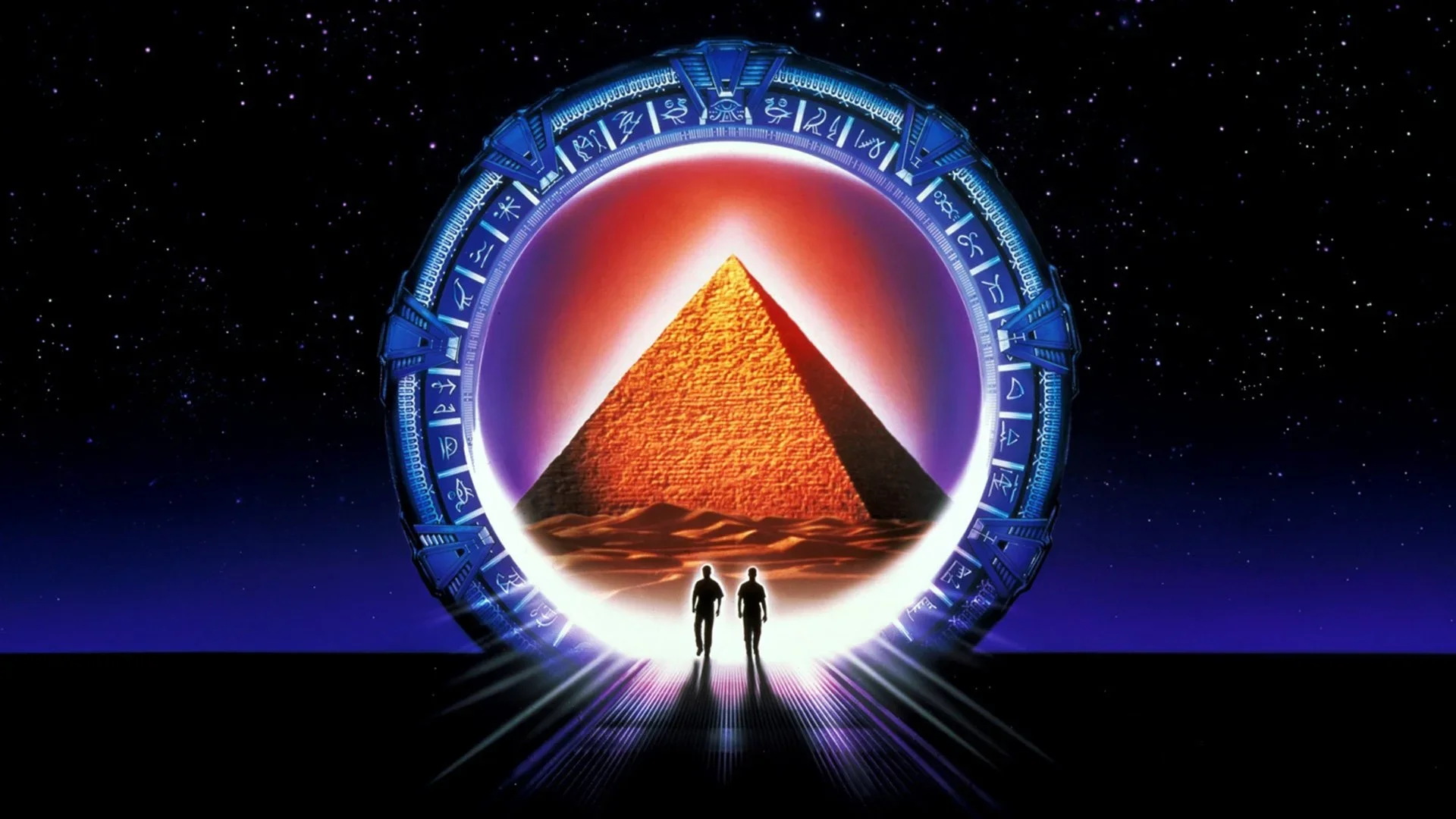
Amazon has concelled its planned Stargate revival and the news has hit fans hard, and for good reason. What looked like a dream project led by someone who actually helped shape the franchise is now dead in the water.
But this isn’t just another streaming casualty. The decision may actually reveal a much bigger shift happening inside Amazon, one that could impact several major franchises moving forward.
The project was being developed by Martin Gero, a writer and producer with deep roots in both Stargate SG-1 and Stargate: Atlantis.
According to reports, Amazon executives reportedly felt that Gero’s version of the series wouldn’t appeal broadly enough beyond the franchise’s existing audience. There are also claims that Amazon wants to start over completely and bring in someone without a Stargate background to develop a fresh take on the property.
As you might imagine, that explanation hasn’t gone over well with fans. The backlash was immediate, with Gero, longtime Stargate producer Joseph Mallozzi, and Michael Shanks, who famously played Daniel Jackson, all responding publicly.
For a fanbase that has spent years hoping for a proper continuation of the franchise, the news felt like a gut punch. Some fans have even started calling for Amazon to sell the rights to another studio willing to move forward with Gero’s vision instead.
What makes this situation particularly frustrating is that the people attached to the revival weren’t outsiders trying to reinvent Stargate. They were creators who helped build it in the first place.
The bigger story, however, may be happening inside Amazon itself. Industry reports have connected the cancellation to a major leadership shakeup at the company.
Deadline described Stargate as a “high-profile likely casualty of the regime change.” Earlier this year, Amazon hired Brett Fetter as its new Head of Worldbuilding & Genre Series.
Before joining Amazon, Fetter worked at Netflix, where he oversaw projects and franchises including Stranger Things, Ozark, The Queen’s Gambit, The Haunting of Hill House, and 3 Body Problem. Amazon executive Peter Friedlander praised the hire, saying:
“His ability to discover and develop expansive worlds paired with his commitment to high-quality storytelling makes him an ideal addition to my leadership team.”
That hire was followed by significant restructuring. Nick Pepper, Amazon’s Head of US SVOD TV Development and Series, departed in February. Matt King, Head of Tentpole, Genre and Universe Development, left two months later as Fetter reorganized the division.
Reports indicate both executives had been major supporters of the Stargate revival, and once they were gone, the project reportedly “allegedly no longer aligned with Amazon’s programming strategy.”
That’s where things start getting interesting. Fetter now oversees an impressive collection of genre franchises, including Fallout, The Lord of the Rings: The Rings of Power, Reacher, Blade Runner 2099, Spider-Noir, God of War, Tomb Raider, and Young Sherlock.
Looking at that lineup, it appears Amazon is focusing on projects that can attract both dedicated fans and large mainstream audiences at the same time.
The problem is that almost every major entertainment company is currently struggling to pull off that balancing act.
The timing is especially curious because the broader industry appears to be moving away from franchise overload rather than doubling down on it. Following the success of Oppenheimer in 2024, Christopher Nolan argued that popular culture was entering what he described as a “post-franchise era.”
Whether or not that prediction proves completely accurate, recent trends certainly support the idea. Marvel has reduced its output. Star Wars continues to face challenges finding consistent theatrical success.
Star Trek has slowed significantly. Doctor Who faces an uncertain future, and even Hulu’s planned Buffy the Vampire Slayer revival failed to survive development.
That context doesn’t make Amazon’s Stargate decision any easier to accept. If anything, it makes the choice more puzzling. Amazon passed on a revival from experienced creators who understand the franchise, its mythology, and its audience.
There’s little evidence suggesting they couldn’t have successfully expanded Stargate for a new generation while still respecting what made it beloved in the first place.
What happened to Stargate may end up being the first visible sign of a much larger strategic shift happening at Amazon. As Fetter’s influence spreads across the company’s growing collection of genre properties, fans will be watching closely to see what happens next.
Unfortunately, Stargate may have become the first casualty of that new vision, and after waiting this long for the franchise to return, fans deserved a whole lot better than that.