BLACK ZOMBIE Trailer Digs Into the Disturbing True Origins of Hollywood’s Undead
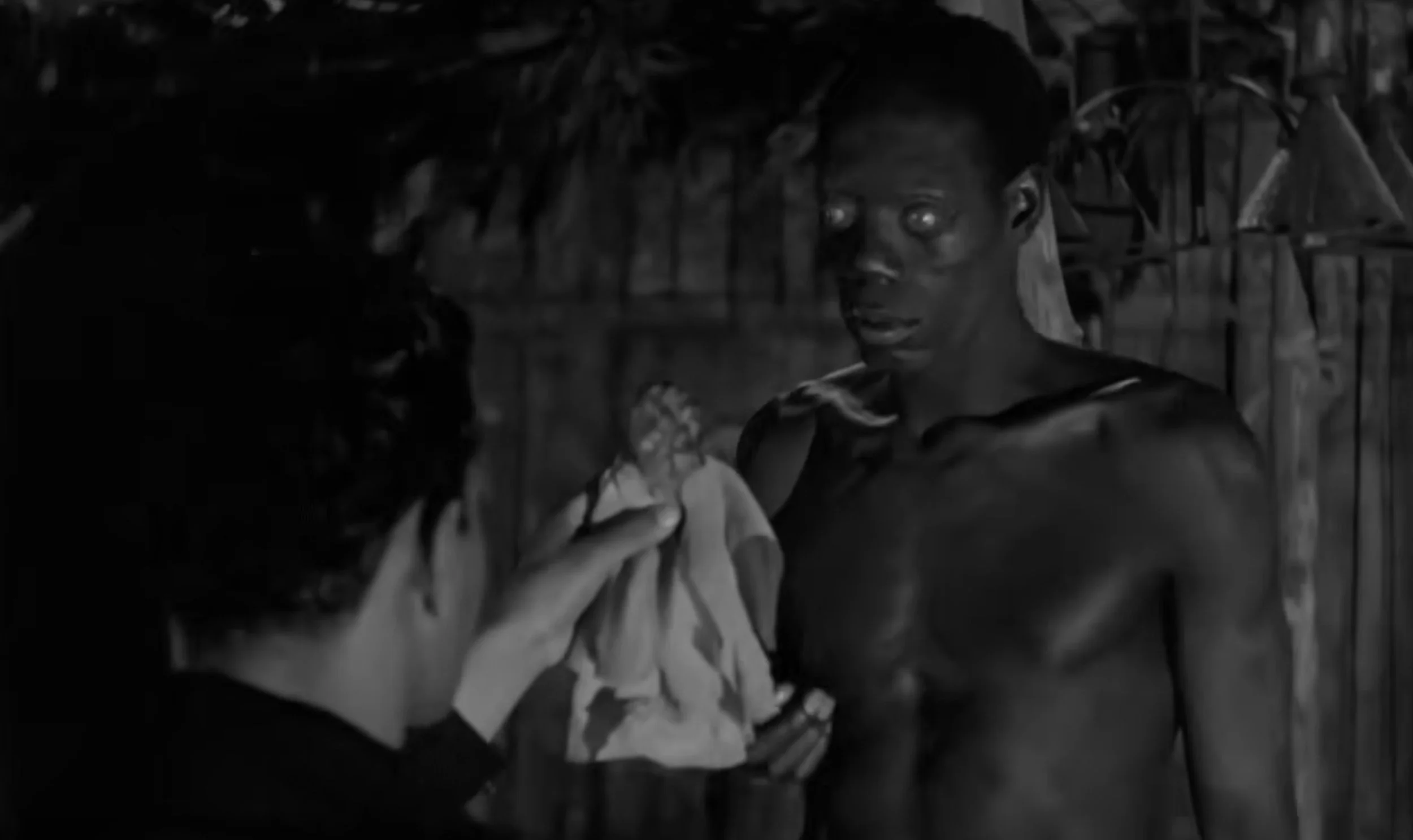
Zombies have spent decades shambling across movie screens, eating people, spreading apocalyptic infections, and giving horror filmmakers an excuse to unleash all kinds of wonderfully gruesome chaos.
But the creature Hollywood turned into a horror icon has a history that runs much deeper than the flesh-eating dead we know from the movies.
Kino Lorber has released the official trailer for Black Zombie, a new documentary from Maya Annik Bedward that explores the origins of the zombie and how a figure rooted in Haitian spiritual traditions, colonialism, enslavement, survival, and resistance was eventually transformed into one of horror cinema’s most recognizable monsters.
The film premiered at the 2026 SXSW Film Festival and has since made stops at Hot Docs, the Chicago Critics Film Festival, Thessaloniki, and other festivals. Now it’s heading to select U.S. theaters on September 11th, 2026.
And yeah, this looks fascinating. Horror fans who know zombies primarily through George A. Romero, The Walking Dead, and decades of undead movies and games are getting a much bigger history lesson here.
The documentary’s official description explains: “Black Zombie digs beneath the blood-soaked spectacle of modern horror to uncover the zombie's buried & unsettling origins.
“Long before it was associated with flesh-eating ghouls, zombie was a living metaphor for slavery: not a monster, but the ultimate victim of colonial power. A symbol of stolen agency was recast as an object of fear, while Black spiritual traditions were distorted, sensationalized, and erased.
“Director Maya Annik Bedward traces the evolution of the zombie from colonial Haiti to contemporary Hollywood, reconsidering iconic films like White Zombie, Night of the Living Dead, and The Serpent and The Rainbow alongside archival footage, vérité scenes, and interviews with cultural historians, artists, and many genre legends – including Yves-Grégory Francois, Mambo Labelle Déesse, Slash, Tom Savini, Zandashé Brown.”
That history gives the zombie an entirely different meaning from the monster most audiences encounter in modern pop culture. Rather than beginning as a walking corpse hungry for human flesh, the zombie was connected to the terrifying idea of having your freedom and agency taken away.
Bedward’s documentary follows how that concept traveled from colonial Haiti into Western popular culture, where its origins were reshaped, exploited, and often stripped of their cultural context.
Along the way, Black Zombie revisits major landmarks in zombie movie history, including White Zombie, Night of the Living Dead, and The Serpent and the Rainbow.
Through archival material, vérité footage, and conversations with historians, artists, spiritual figures, and horror veterans, the film examines how cinema changed the zombie and how those changes affected the way audiences understood its origins.
The documentary features Yves-Grégory Francois, Mambo Labelle Déesse, Slash, Tom Savini, and Zandashé Brown, bringing together voices from cultural history, art, spirituality, music, and horror filmmaking.
Bedward is making her feature directorial debut with Black Zombie. What makes Black Zombie especially exciting is that it doesn’t appear interested in simply giving audiences a timeline of zombie movies.
It’s digging into what the zombie originally represented, who controlled that story as it entered popular culture, and how Hollywood turned a symbol tied to oppression and stolen autonomy into an enormously profitable horror monster.
For movie geeks, that makes this more than a documentary about zombies. It’s also a look at how cinema can absorb pieces of history and culture, reshape them, and eventually create something so familiar that audiences forget where it came from in the first place.
The real history behind zombies is something plenty of people have probably never encountered, despite the creature being practically unavoidable in movies, television, comics, and video games.
Black Zombie opens in select U.S. theaters on September 11th, 2026.