BLADE RUNNER 2099 Reveals a Future Where Replicants Rule and Humanity Has Fallen
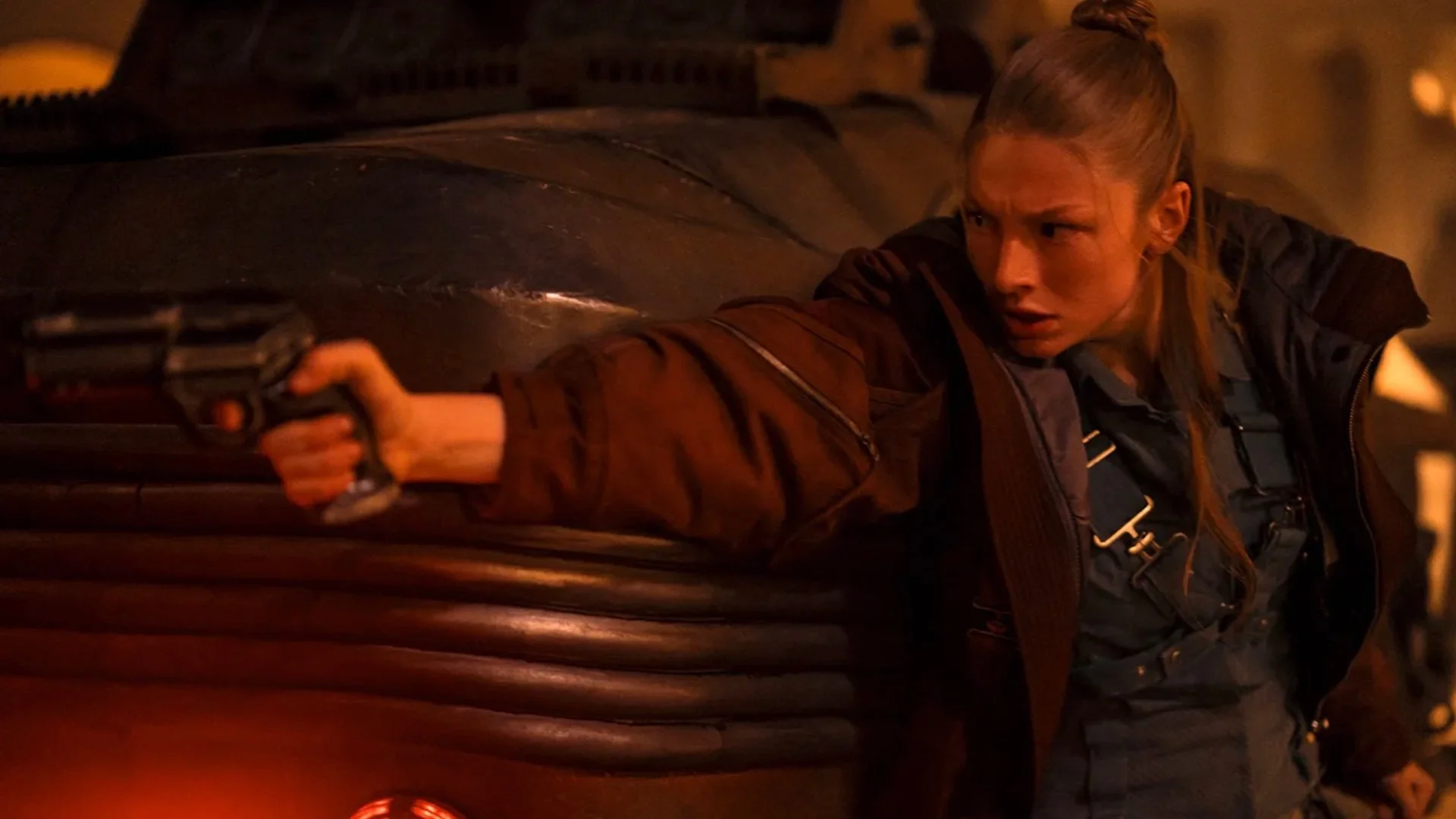
The world of Blade Runner has always asked uncomfortable questions about identity, technology, and what it means to be human. Blade Runner 2099 looks ready to crank those ideas up even further by introducing a future where humanity has lost its grip on the world it created.
The upcoming Prime Video series takes place 50 years after the events of Blade Runner 2049, dropping viewers into a Los Angeles that's almost unrecognizable from the one fans have explored before. Time hasn't simply moved forward. The entire balance of power has shifted.
According to showrunner Silka Luisa, the conflict that had been simmering throughout the previous films finally reached its breaking point.
“There’s been a replicant uprising that feels like it’s been bubbling up. And between 2049 and 2099, that’s happened. So the war has happened and the humans have lost. Our worst fears imagined.”
That revelation completely changes the landscape of the franchise. For decades, humans treated replicants as disposable machines built to serve them. In Blade Runner 2099, those roles have been reversed.
Luisa explained: “The replicants are now the power brokers of the city. And humans are the second-class citizens.”
It's a cool story element because Blade Runner has always blurred the line between humans and replicants. Now the series gets to explore that relationship from an entirely different perspective, asking what happens when those who were once oppressed become the ones holding the power.
Los Angeles has changed right along with society. The city has evolved into a post-war landscape shaped by the aftermath of that conflict, creating a very different backdrop than fans have seen in the previous films.
While the series naturally builds on the stories established by Ridley Scott's Blade Runner and Denis Villeneuve's Blade Runner 2049, those films aren't its only source of inspiration.
Luisa revealed that the creative team also returned to Philip K. Dick's novel Do Androids Dream of Electric Sheep?, using the classic sci-fi book to expand the world beyond what audiences have seen on screen.
She explained: “The show is really imagining what comes after us, and what does it mean to be human in a world where humanity is no longer relevant?”
Rather than simply revisiting familiar ideas, Blade Runner 2099 is ready to explore what civilization looks like after humans are no longer the dominant species.
The original novel also helped shape the show's larger world-building. Luisa said: “There’s a tone to his novel. There is a zaniness to it, but at the same time, he has really dark themes and circumstances. And I think the juxtaposition of this kind of bubblegum tone with these dark ideas was something I really gravitated toward.”
Because the story unfolds across multiple episodes instead of a single feature film, the creative team found new opportunities to expand the universe in ways the movies simply didn't have time to explore.
Luisa explained: “We did return to the book for a lot of the world building. Because it’s a TV show and you have so many more hours to fill, we have this great opportunity to actually build out the world, and to go to other places, and to build out parts of history and parts of the universe that I feel like fans have been really curious about and just haven’t gotten to see yet. And the book was really helpful in helping us guide us where we could do that.”
This is great news for fans who have been interested in learning more about the Blade Runner universe beyond Los Angeles and the stories told in the films.
With humanity knocked off the top of the food chain, replicants running the city, and deeper connections to Philip K. Dick's original vision, Blade Runner 2099 is reshaping the world and asking some interesting new questions about power, survival, and whether humanity's greatest creation has officially surpassed its creators.
Source: Entertainment Weekly