Carl Laemelle: The Making of the Movie Business - Part 4: Florence Lawrence: The First Movie Star
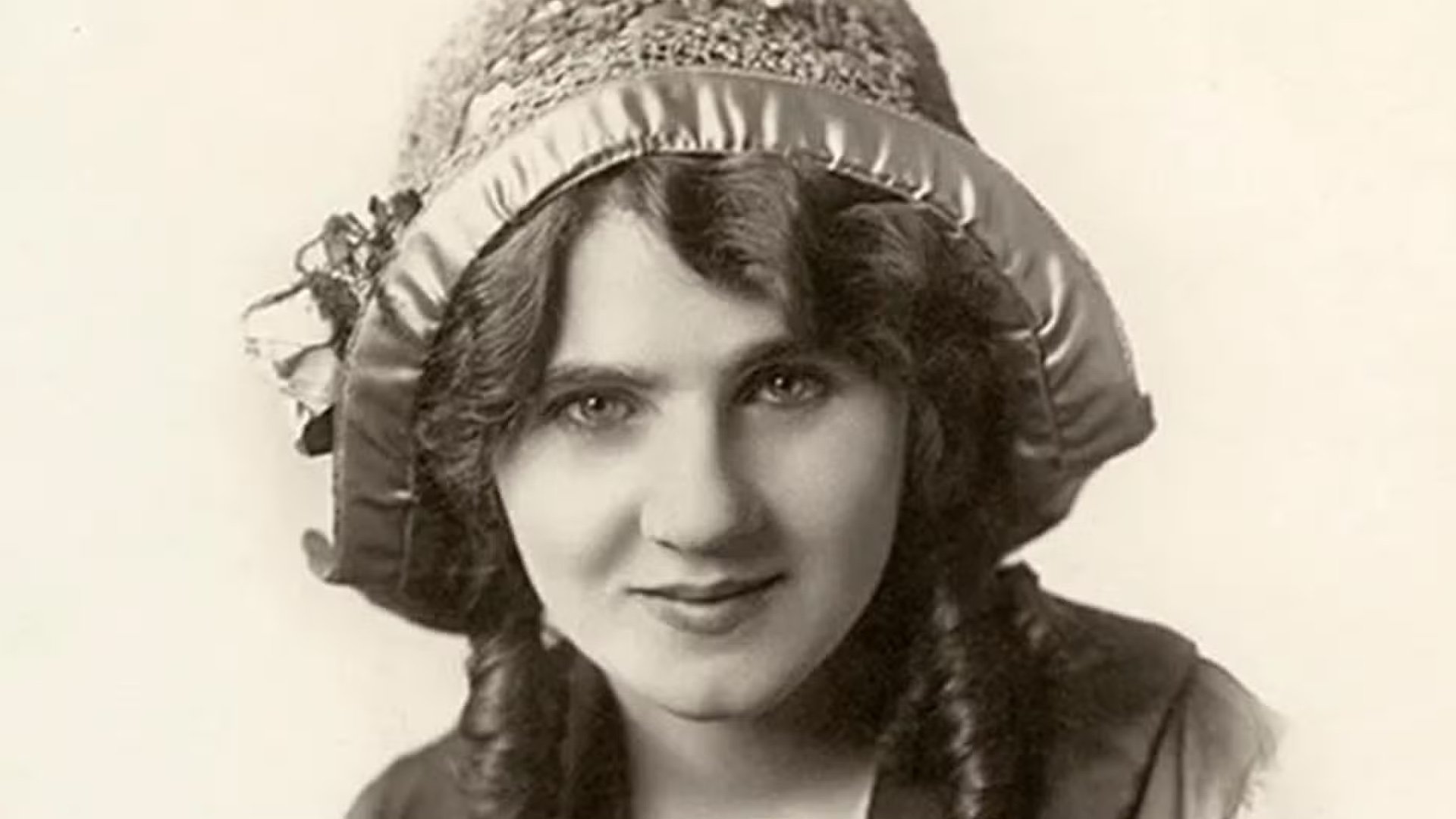
In 1909, most moviegoers could recognize their favorite actors, but they couldn’t name them. The industry made sure of it. The biggest companies, especially those in Thomas Edison’s Motion Picture Patents Company, refused to put actors’ names in credits or advertising. To them, performers were interchangeable parts in a machine. Why make a star when you could make a replacement?
Florence Lawrence was the glaring exception, not because her name was public, but because her face was unforgettable. She appeared in dozens of Biograph pictures, from comedies to tearful melodramas, and audiences adored her. They called her “The Biograph Girl,” a nickname that said it all: she belonged to a company, not to herself.
That was about to change.
A Talent in the Shadows
Lawrence had been acting in films since 1906, and by the time she joined Biograph, she was already one of the most familiar faces in the nickelodeons. She was quick, expressive, and adaptable, a silent screen natural. In an age when films were only a few minutes long and plots moved at lightning speed, she could tell the story of her character with a glance or a gesture.
But no matter how many tickets she sold, her name never appeared on a poster. Her value to Biograph was obvious, they featured her constantly, but they kept her identity hidden to prevent her from negotiating higher pay.
Carl Laemmle saw an opportunity in that anonymity.
Laemmle’s Calculated Risk
Laemmle had just launched the Independent Moving Pictures Company (IMP) as a way to escape the Trust’s control. He saw Lawrence was the perfect element he needed to help launch is movie company as she was already beloved, instantly recognizable, and trapped in the Trust’s system.
Laemmle ended up meeting with her and offered her more money, top billing, and, most revolutionary of all… her name in print. Lawrence said yes. That decision would make her famous beyond anything she could imagine, but it was Laemmle’s next move that made history.
The Streetcar Stunt
Laemmle knew that simply announcing Lawrence’s move to IMP wouldn’t cut through the noise of the rapidly growing film industry. So he devised a publicity stunt that was audacious, manipulative, and unforgettable.
First, he planted a false story in newspapers across the country that the Biograph Girl had been killed in a tragic streetcar accident in New York.
The news shocked moviegoers. Fans mourned. “The Biograph Girl” was gone, just like that.
As you might imagine, things got a little out of control over that and then, a few days later, the “truth” came out… The Biograph Girl was alive, but reintroduced to the world as Florence Lawrence, and she had signed with Carl Laemmle’s IMP and would soon appear in new films.
He placed ads in the newspapers that announced "We nail a lie" and included a photo of Lawrence. The ad declared she is alive and well and making The Broken Oath, a new movie for his IMP Film Company.
It was as if she had risen from the dead, and the resurrection was headline news.
The stunt worked perfectly. Audiences were relieved, curious, and eager to see her next film. In one stroke, Laemmle had made Florence Lawrence the first widely recognized movie star, a performer whose name alone could sell tickets.
Florence Steps into the Light
For Lawrence, the change was transformative. Her face had always been famous, but now her name was, too. IMP splashed it across advertisements, posters, and newspaper articles. She gave interviews, posed for publicity photos, and even made personal appearances, which were all unheard of for a film actress at the time.
Laemelle also created the big movie priemere and came up with the idea of the Red Carpet. His thinking was to build Flarence Lawrence up like royalty, and the fans flocked to get a glimpse of her in person.
Her fame quickly eclipsed that of most stage stars, and her IMP films drew huge crowds. Audiences now came to see “a Florence Lawrence picture” rather than simply “a picture.”
Laemmle had tapped into something powerful, the human desire to connect with actors.
The Ripple Effect
The Florence Lawrence stunt sent shockwaves through the industry. The “star system” was born, and with it came a new economic reality, actors with public identities with a fan base could demand, and receive, higher salaries.
For the audience, it was the start of a more personal relationship with the movies. Fans began to follow their favorite stars from film to film, read about their off-screen lives, and collect their photographs. The culture of celebrity, which would come to dominate Hollywood for the next century, had its first true icon.
Fame’s Fragility
Lawrence ending up leaving IMP to work for Lubin Studios, but before she left, she suggested to Laemelle to meet with her fellow Canadian acquaintance, the 18-year-old Mary Pickford, to take her place as IMP's star.
Her later life was marked by hardship, injury, and financial trouble. In 1914, Florence Lawrence was persuaded to return to work for her own company, the Victor Film Company, by then acquired by Universal Studios.
The comeback turned tragic the following year during the filming of Pawns of Destiny (1915). A staged fire spiraled out of control, burning her, singeing her hair, and sending her crashing to the ground in a fall that fractured her spine. She spent months in shock, unable to work.
When she finally returned to set, she managed to finish the film, only to collapse afterward. To make matters worse, Universal refused to cover her medical expenses.
By mid-1916, she attempted yet another return, completing Elusive Isabel, but the effort came at a terrible cost. The physical strain triggered a severe relapse, leaving her completely paralyzed for four months.
In 1921, still determined to reclaim her career, Lawrence traveled to Hollywood for a fresh start. But the industry had moved on. She landed a leading role in a minor melodrama, The Unfoldment, followed by two supporting parts.
After 1924, her screen appearances dwindled to uncredited bit roles, a heartbreaking descent for the woman who had once been the most famous name in motion pictures.
On the afternoon of December 28, 1938, Florence Lawrence called the MGM offices where she was scheduled to work, saying she was too ill to come in. Sometime later, alone in her West Hollywood home, she swallowed a mixture of ant poison and cough syrup.
The details of what happened next vary. Some accounts say her neighbor, Marian Menzer, heard her screams. Others report that Lawrence phoned Menzer herself, calmly telling her she had taken poison. In either case, Menzer quickly called for an ambulance.
Lawrence was rushed to Beverly Hills Emergency Hospital, but doctors could not save her. She was pronounced dead at 2:45 p.m. She was 52 years old.
In her home, police found a handwritten note addressed to her housemate, Bob Brinlow:
Dear Bob,
Call Dr. Wilson. I am tired. Hope this works. Good bye, my darling. They can't cure me, so let it go at that.
Lovingly, Florence
P.S. You've all been swell guys. Everything is yours.
The coroner ruled her death a “probable suicide” brought on by long-term ill health.
The Motion Picture & Television Fund paid for her funeral, held on December 30, 1938, and for her burial in Hollywood Cemetery (now Hollywood Forever Cemetery). Her grave went unmarked for more than half a century, until 1991, when an anonymous British actor paid for a memorial marker inscribed:
“The Biograph Girl / The First Movie Star.”
Still, her place in history is secure. Florence Lawrence was the first. And her leap from “The Biograph Girl” to her own name in lights was the turning point.
Laemmle’s Legacy in the Stunt
For Carl Laemmle, the Lawrence stunt was more than a publicity win. It was a statement of philosophy as audiences deserved to know who they were watching, and actors deserved recognition for their work.
He also proved that marketing could be as creative as the films themselves. In the streetcar stunt, he combined showmanship, audacity, and a keen understanding of public psychology, the same qualities that would fuel his later successes at Universal.
The stunt also cemented Laemmle’s reputation as a disruptor. He rewrote the rules of the game. Naming Florence Lawrence wasn’t just about selling tickets, it was about changing the balance of power between studios, performers, and audiences.
From Shadows to Headlines
Before 1909, Florence Lawrence was an anonymous face in the flicker of the nickelodeon. After Laemmle’s stunt, she was a headline, a name, a personality. The movies had their first star, and Hollywood, though it didn’t yet exist in name, had its first taste of the celebrity culture that would define it.
For the rest of his career, Laemmle would continue to blend business with bravura, but the Florence Lawrence stunt remains one of his most famous acts. In one stroke, he pulled an actress out of the shadows, turned her into a national sensation, and invented the blueprint for modern movie publicity.