CLAYFACE Director Reveals What Was Removed From Mike Flanagan’s DCU Script, and It Sounds Like the Best Stuff
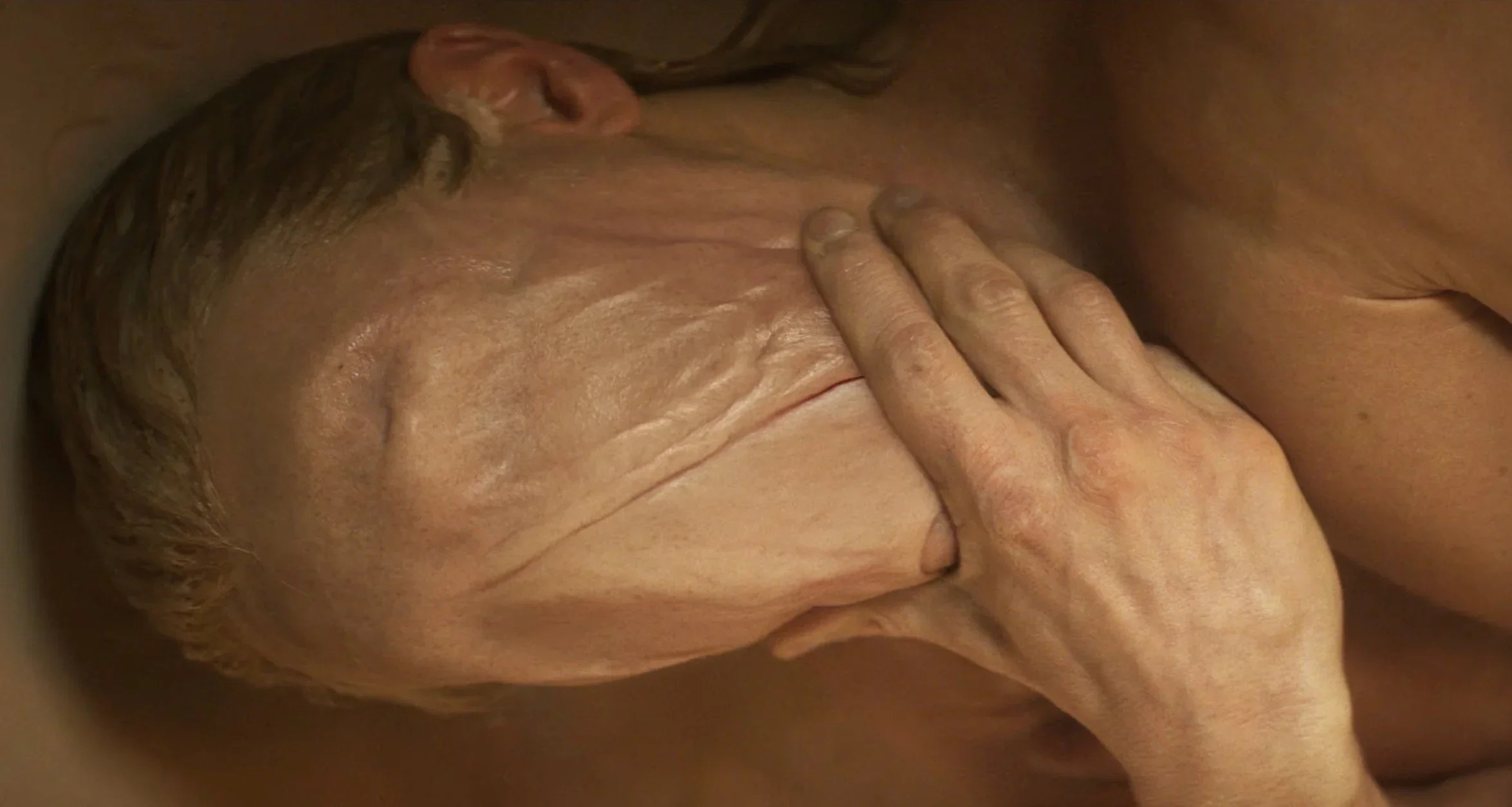
The upcoming DC Universe horror movie Clayface is already one of the strangest and most interesting projects on the DC Studios slate and I’ve beb excited about watching it.
A body-horror story about a broken actor who gains horrifying shape-shifting abilities has all the ingredients for something disturbing, tragic, and genuinely different from the usual superhero movie.
Unfortunately, director James Watkins has now revealed that several ideas from Mike Flanagan’s original screenplay were removed during the rewriting process, and those ideas sound like the exact material that could have made Clayface great.
Flanagan wrote the original script for the DCU movie before screenwriter and director Hossein Amini was brought in to rewrite it. While discussing the earlier version with Entertainment Weekly,
Watkins explained that Flanagan had explored the stranger mythology behind the character’s powers and the emotional horror of becoming something inhuman.
“There were mythic things within the shape-shifting world of him. Questions of our humanity — how we lose our humanity and what it means to be a monster.”
Why the hell would you remove that? Those aren’t disposable details or unnecessary comic book detours. Those are the story. They are the themes, the character conflict, and the emotional core that could separate Clayface from a generic monster movie.
A man losing control of his body is creepy. A man slowly losing his humanity while questioning whether he has become a monster is far more compelling.
The mythical side of Clayface’s shape-shifting abilities also could have given the film a rich and unsettling identity. Body horror works best when the physical transformation reflects something happening inside the character. F
lanagan understands that kind of storytelling incredibly well, which is why his version sounded so promising in the first place.
Instead, those elements were apparently removed to make the movie feel more grounded within the DCU. That explanation doesn’t make much sense when you look at the universe James Gunn and Peter Safran are building.
Superman introduced a world with centuries of metahuman history, alien technology, pocket dimensions, giant monsters, and members of the Green Lantern Corps. Supergirl expands that universe even further with intergalactic locations and cosmic characters. The DCU clearly isn’t afraid of fantasy, mythology, or completely insane comic book concepts.
So why would Clayface need to strip away the mythic material that could make its horror more interesting?
Grounding the movie doesn’t have to mean sanding off its imagination. You can create an emotionally believable character while still embracing the bizarre nature of his powers.
In fact, the contrast between Matt Hagen’s human pain and the unnatural thing he becomes could be the entire reason the movie works.
The film will introduce the DCU’s version of Gotham City, which exists separately from Matt Reeves’ The Batman universe. The story follows Matt Hagen, an actor who gains disturbing shape-shifting abilities and becomes the villain known as Clayface.
The creative team has said that Clayface may draw inspiration from one of the most celebrated episodes of Batman: The Animated Series.
While it would be interesting to see Batman in the movie, Clayface is powerful enough as a tragic horror character to carry his own film, especially when the story digs into identity, obsession, vanity, physical decay, and the terror of no longer recognizing yourself.
That’s why hearing that Flanagan’s humanity and monster themes were removed is so frustrating. Those ideas sound more meaningful than any superhero connection or shared-universe setup. Did the rewrite preserve the emotional tragedy, or did it keep the basic plot and toss out everything that gave it depth?
Hopefully Watkins and Amini found another strong angle, but this revelation has made the project more concerning. The removed material sounds like the exact stuff that could have turned Clayface into a heartbreaking DC horror movie instead of a standard creature feature with a comic book logo attached.
After the underwhelming critical reception to Supergirl, Clayface could become an important test for the future of the DCU. It has the opportunity to prove that DC Studios can take creative risks, explore different genres, and tell smaller character-driven stories within its larger universe.
But that only works if the studio allows those stories to be weird, thoughtful, and emotionally messy. Clayface is scheduled to hit theaters on October 23, 2026.
I’m still excited to see what Watkins has made, but learning that the mythical shape-shifting ideas and questions about humanity were taken out has me worried.