Dave Filoni Explains Why Darth Vader Is Pure Destruction in STAR WARS
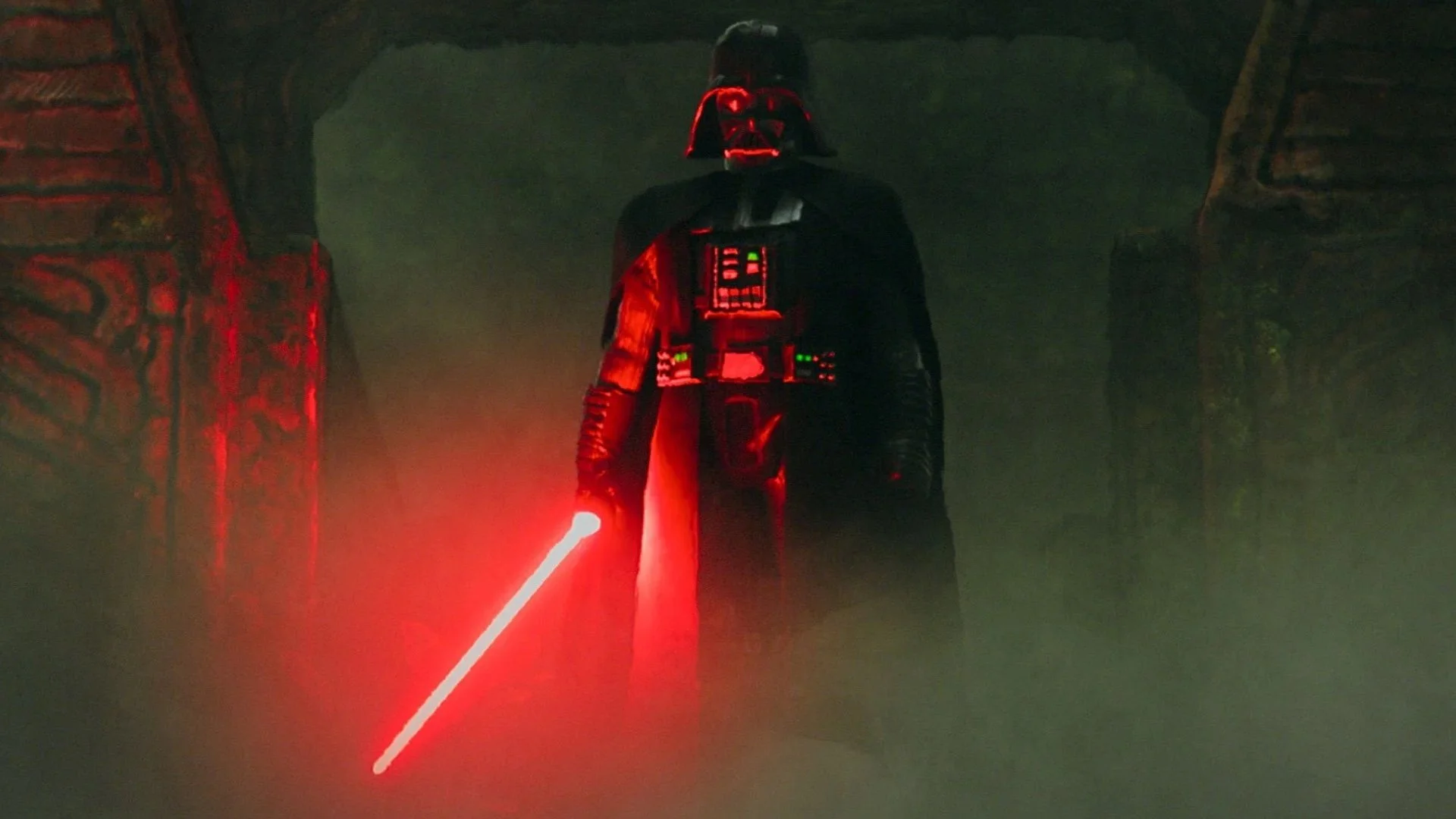
With Darth Vader making a brutal return in Star Wars: Maul – Shadow Lord, Dave Filoni opened up about how and why the Sith Lord is used so sparingly and what really drives him now that Anakin Skywalker is buried deep inside.
Vader has always been handled with care across Star Wars. Whether it was his intense duel in Star Wars Rebels, that terrifying hallway sequence in Rogue One, or his brief but unforgettable encounter with Cal Kestis, every appearance feels like it matters.
That trend continues in Maul – Shadow Lord, where Vader shows up in the final episodes and unleashes absolute chaos in a long, relentless battle against Darth Maul, Jedi Master Eeko-Dio Daki, and Devon Izara.
The fight isn’t just spectacle. It’s a showcase of what Vader has become. Filoni explained it in a way that cuts right to the core: “The key to Vader for me is that he’s not Anakin. He doesn’t recognize that. He can’t. Anything that reminds him of Anakin, he’s going to destroy.
“So when he sees a Jedi, he’s going to destroy the Jedi, because the Jedi would remind him unconsciously or consciously that he betrayed all of his friends and everything he knew and the life he grew up with. For what? For nothing. He lost everything. He made a bad trade. He was lied to. He was deceived. He can’t accept that truth. So he’s even farther down the path than Maul.”
That idea reshapes how you look at every Vader moment. He’s erasing reminders of his own past. Compared to Maul, who still wrestles with his pain, Vader has gone further and fully surrendered to it.
“Maul is struggling to let go of hate, but Anakin got consumed by it,” he continued. “If he were to face what he did, it would destroy him more. I find a lot of pity for him because of what he did and the depth of his treachery.
“And that’s Darth Vader. Anakin’s trapped in there somewhere, and Darth Vader won’t let him surface. And so to me, the key is not to actually give him a character. He’s devoid of it because he doesn’t care. Darth Vader does not care. He does not have compassion. He does not see you. He sees the thing he wants to destroy, and he will do that.
“It’s like the same feeling you got in Rogue One when he comes down the hallway. He doesn’t talk to those guys. He’s going to destroy them. He has one mission, and all of his remorse and all of his anger and all of his hate is in every swing that he does. That’s how it’s resolved.”
That’s a pretty chilling philosophy. Vader isn’t conflicted in the way we often want him to be. He’s stripped down to a single purpose, and when it comes to people who mattered to Anakin, that instinct gets even more intense.
“And [when] he saw Ahsoka, he wants to destroy her,” Filoni said. “She, of all people, would remind him of who he was. He’s like, ‘I gotta destroy that. I can’t face that.’ Obi-Wan, he wants to destroy him.
“So he is a destroyer, Darth Vader. And critically, only his son, only his offspring, could make him spark, could make him see something. But at first, selfishly, [he said] ‘You and I can rule the galaxy.’ That’s where he goes. He doesn’t come all the way back. It’s a long process.”
Characters like Ahsoka Tano and Obi-Wan Kenobi aren’t just opponents to Vader. They’re reflections of a life he refuses to confront. That’s why his reaction is always destruction.
Filoni also made it clear that using Vader comes with a responsibility, especially since the character belongs to George Lucas.
“This is George’s character. This is the backbone of the whole thing. And you don’t want to do anything that interrupts that, or changes that, or diverts that. This doesn’t do it because this is the price you pay when you give in to your anger, when you give in to that terrible side of yourself. And it should terrify all of us.
“Because we’re all capable of that depth of terror. We’re all capable of doing the wrong thing. Daki’s capable. Devon’s capable. Maul’s very capable. But so are Lawson [and] Riley. They’re all capable of doing terrible things. It’s not something that’s just for the Sith or the Jedi.”
“These are the lessons that George is trying to teach us and wants to show us in these stories,” he continued. “And so that was the important thing to reflect if you dare to put Vader in a story. You have to do it for the right reason and then show him the right way. So yeah, he’s a powerful character.”
That’s really the takeaway. Vader isn’t just a cool villain to drop into a story for hype. He represents the worst-case version of giving in to anger and refusing to face your own failures. That’s why every time he shows up, it carries serious weight.
Vader works best when he’s used sparingly, like a force of nature you can’t stop, and based on Filoni’s take, that’s exactly how he’ll continue to be handled across Star Wars.
Via: Gizmodo