Dave Filoni Reveals What Yoda’s “Do or Do Not” Quote Really Means in STAR WARS
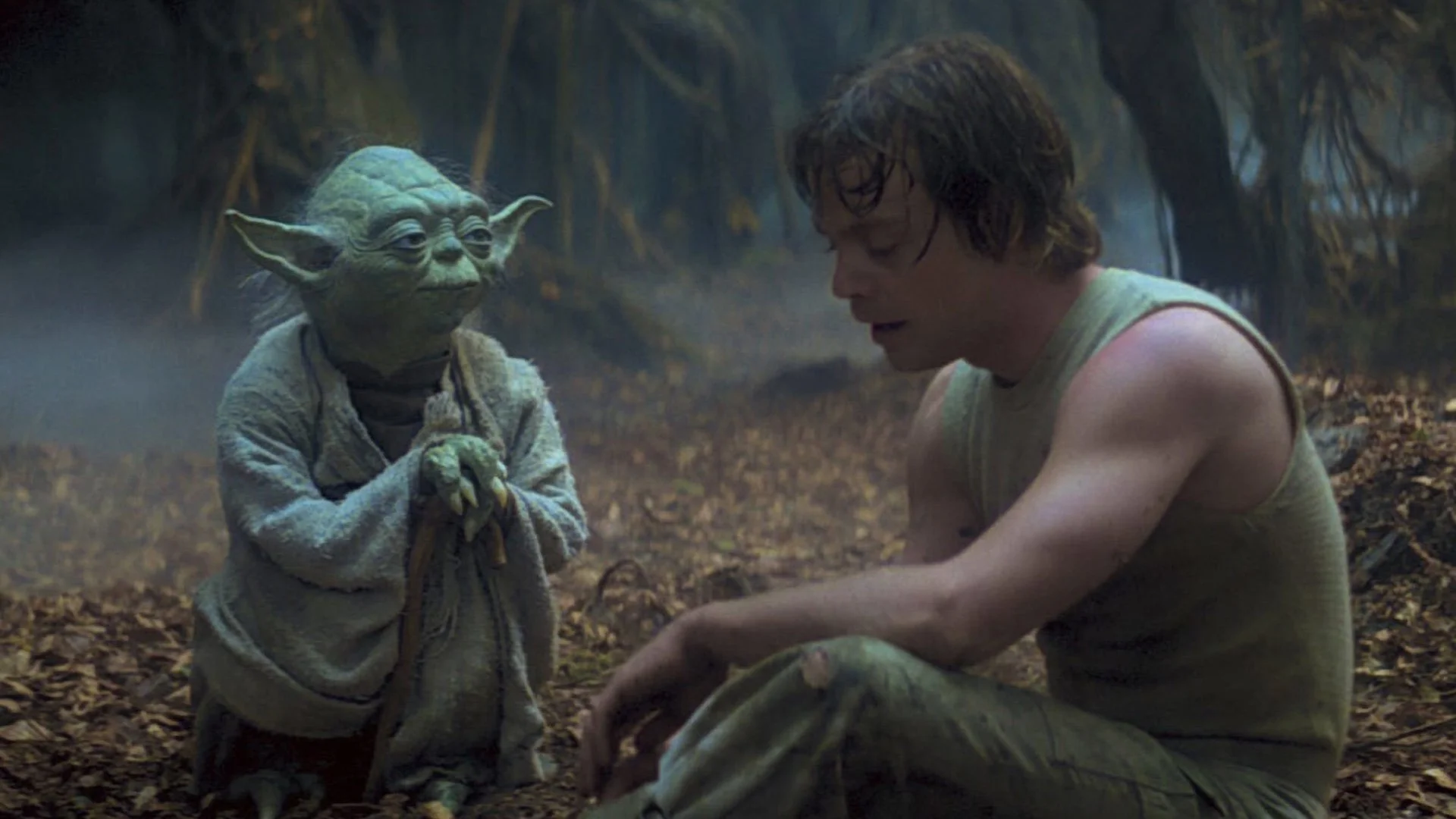
Yoda’s “Do or do not. There is no try” is probably one of the most quoted pieces of Jedi wisdom in Star Wars history. It sounds simple enough, but Dave Filoni has a slightly different interpretation of what the Jedi Master was actually trying to teach Luke Skywalker.
During Disney’s Worldbuilders panel at D23, the Lucasfilm president talked about the famous scene from Star Wars: The Empire Strikes Back and explained why he sees Yoda’s advice as less about immediate success and more about committing yourself to the work.
Filoni explained: “Yoda said, ‘Do or do not. There is no try.’ And people say, ‘But Dave, I try all the time.’ I’m like, ‘Right, because you’re not doing.’ Trying doesn’t mean that you’re winning or that you’re accomplishing, but it means you’re doing your best. Do your best and just get going and, and don’t just half try. Don’t not commit.”
Filoni’s interpretation makes Yoda’s lesson much more practical. The point isn’t that you have to succeed every time you attempt something. It’s that you have to actually commit to doing it instead of keeping one foot out the door because you’re afraid you might fail.
That fits perfectly with what’s happening when Yoda gives Luke the lesson in The Empire Strikes Back. While training on Dagobah, Luke’s X-wing is submerged in the swamp, and Yoda tells him to lift the ship using the Force. Luke responds that he’ll “try,” but his attitude makes it pretty clear that he doesn’t really believe he can pull it off.
Luke makes the attempt and fails. Yoda then walks over and lifts the entire X-wing out of the swamp himself, leaving Luke stunned. When Luke says he doesn’t believe what he just saw, Yoda replies, “That is why.”
Filoni’s reading puts Luke’s failure in a different context. Yoda isn’t demanding perfection from his student. Luke is still learning, and failure is naturally going to be part of that process. His bigger problem is that he approaches the challenge already convinced that it’s probably beyond him.
For Filoni, that lesson applies just as easily to learning a craft in the real world. Some people might have more natural ability when they start, but talent only gets you so far. Practice, repetition, failure, and continued effort are how people actually get better.
It’s especially relevant for young filmmakers and storytellers. There are more tools available now for people who want to make movies, animation, games, short films, or whatever weird story is bouncing around inside their head. Having access to those tools, though, doesn’t automatically make someone great at using them.
You have to make something. Then make another thing. Screw up, figure out why it didn’t work, learn from it, and keep going.
That gives Yoda’s famous advice a more forgiving meaning than it sometimes gets credit for. “Do or do not” doesn’t necessarily mean “succeed or fail.” It can mean stop treating the possibility of failure as a reason to hold back. Commit to the process and see what you can learn from actually doing the work.
More than four decades later, we are still finding new ways to talk about the lessons Yoda was trying to teach Luke. Filoni’s interpretation makes this particular piece of Jedi wisdom feel less like an impossible command and more like some genuinely useful advice.
Don’t wait until you know you’ll succeed. Commit, start doing the work, and get better along the way.