Directable AI is About to Flip the Film Industry and Asia Might Lead the Charge
The film and TV industry is in the middle of a serious tech shift, and it’s happening faster than most expected. Generative AI has already reshaped commercial production pipelines, but now a new phase is taking over: directable AI.
It’s not just about generating images anymore, it’s about controlling them with precision, and if the conversations coming out of FilMart are any indication, this evolution could completely rebalance who gets to compete on a global scale.
At the center of this shift is Kling AI, a model developed by Kuaishou that’s quickly becoming a major player in production workflows. Its latest 3.0 version is pushing things further by giving filmmakers more control over camera movement, character consistency, and performance.
In other words, tools that once required entire VFX departments are now being handled inside an AI system that filmmakers can directly guide.
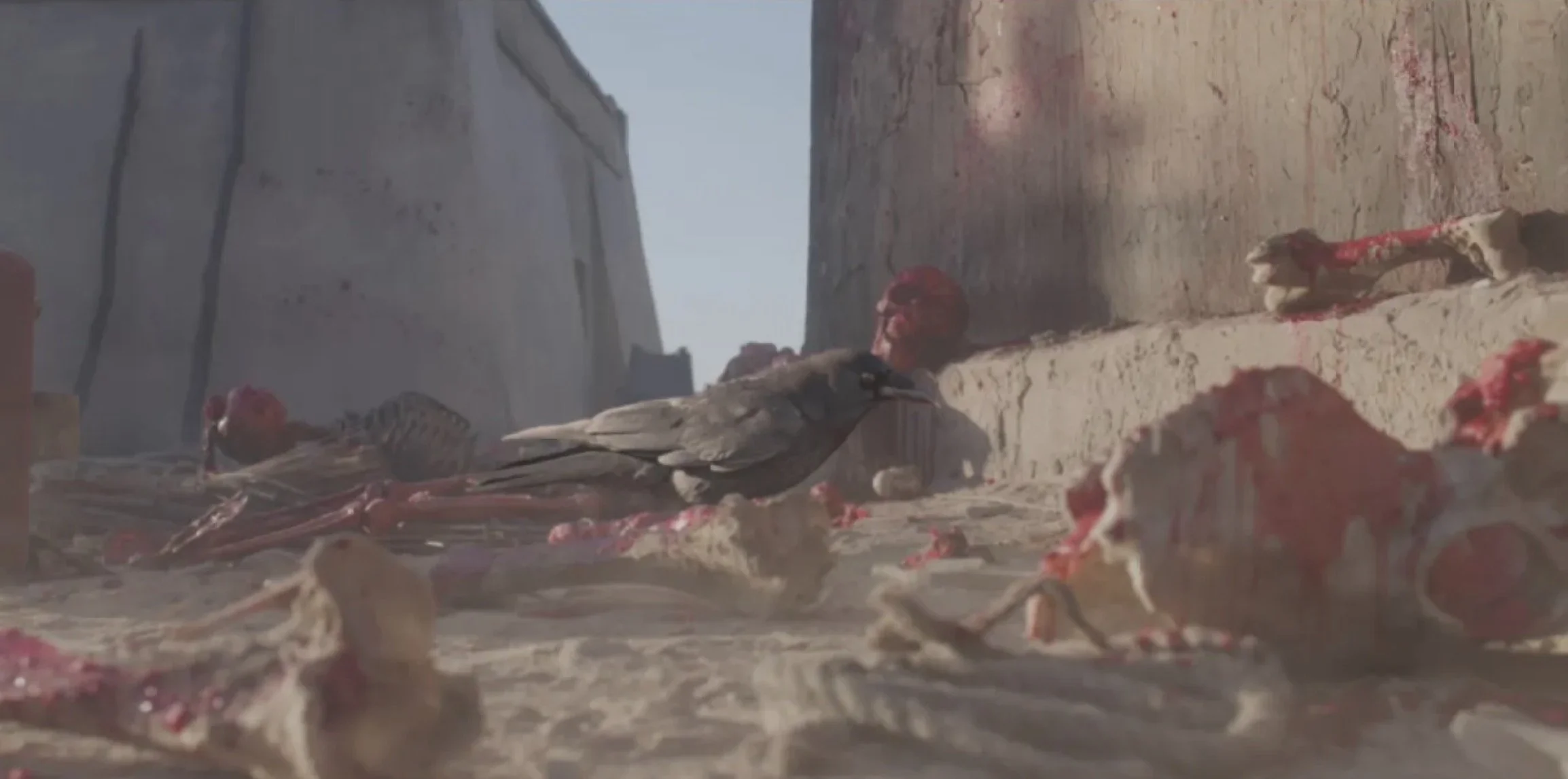
That level of control isn’t theoretical either. It’s already being used in high-end productions like the Chinese historical drama Swords Into Plowshares. The series integrated Kling AI across its entire pipeline, from early visualization to final compositing work.
One example involved generating and animating a raven entirely within the AI system before placing it seamlessly into live-action footage.
According to Chen Yi, founder of Timeaxis Studios, the results speak for themselves. “AI-enhanced workflows proved to be three to four times more efficient than traditional CG,” said Chen. “Once current limitations in resolution, color encoding and color gamut are fully resolved, efficiency could skyrocket by eight to 10 times.”
That kind of efficiency is already reshaping another corner of the industry… advertising. Singaporean filmmaker Gavin Lim, known for Diamond Dogs, says the commercial world is being overtaken right now.
“We’re using it for 3D, generating architectural renderings, simulating time lapses. Almost no advertising content now goes beyond one month. So actually this AI fits perfectly because advertising is disposable,” said Lim.
This is just the beginning. Lim believes the next wave will involve hyper-personalized ads tailored to individuals, something AI is uniquely suited to deliver.
But, the bigger story here isn’t just efficiency or convenience. It’s access. Lim is outspoken about what this technology means for smaller film industries, especially across Asia.
“Hollywood is scared,” Lim asserts. “Gen AI is going to help small, less-capitalized film industries in Asia compete with multi-million dollar budgets on a visual scale.”
That shift is also tied to the rise of regional AI models. Lim points out that U.S.-based systems have struggled with accuracy and consistency when generating Asian faces, sometimes triggering unnecessary safety restrictions.
“American AI is too fussy and, frankly, it doesn’t handle Asian faces well,” Lim explains. He recounts frequent issues with U.S.-based platforms triggering safety guardrails by mischaracterizing Asian adult faces as “underaged,” even when the content generated is in no way sexualized.
“It’s not that the Chinese ones like Kling are not safe. They have a lot of guardrails, you can’t just generate a bikini shot, or whatever. But it’s not ridiculous like [Western models], who just see an Asian face and they say it’s underage.”
Of course, none of this comes without disruption. Entire job categories are already shifting. Tasks like rotoscoping and storyboarding are increasingly automated, while new roles like AI VFX artists and AI cinematographers are starting to emerge.
Lim even suggests that some of the industry’s newer tech trends might not survive this shift. “Stop playing with this LED technology, it will die,” said Lim. “3D guys are now starting their own AI companies.”
Still, not everyone sees AI as a replacement for the creative process. Producer Tan Bee Thiam emphasizes that these tools should enhance creativity, not replace it. “We use it as a starting point rather than the end. That would take away the joy of making the film.”
That idea of keeping humans involved is where the real tension lies. AI can generate faster than ever, but filmmaking still depends on taste, judgment, and persistence. Lim warns that the biggest threat isn’t the technology itself, but how people choose to use it.
“Because AI filmmaking is so easy, most users are just playing with that thing. But filmmaking is not easy, there’s a lot of deliberation, and that person who deliberates and keeps going at it for six months, makes it good,” said Lim.
He doesn’t hold back on what creators should avoid and said: “How do we fight slop? How do we legitimize our work? How do we respect ourselves? Don’t touch any celebrities. Don’t touch existing IP. Don’t go for the cheap joke.”
That’s really the crossroads the industry is facing. The tools are getting faster, cheaper, and more powerful by the month. But whether this leads to a wave of groundbreaking storytelling or a flood of forgettable content will come down to the people using them.
One thing is clear, though, directable AI isn’t just another tool in the kit. It’s rewriting the rules, and filmmakers everywhere are about to find out what that really means.
Source: Variety