Disney CEO Bob Iger’s FY25 Pay Swells to $48.8 Million as Succession Talk Drags On and Power Games Take Center Stage
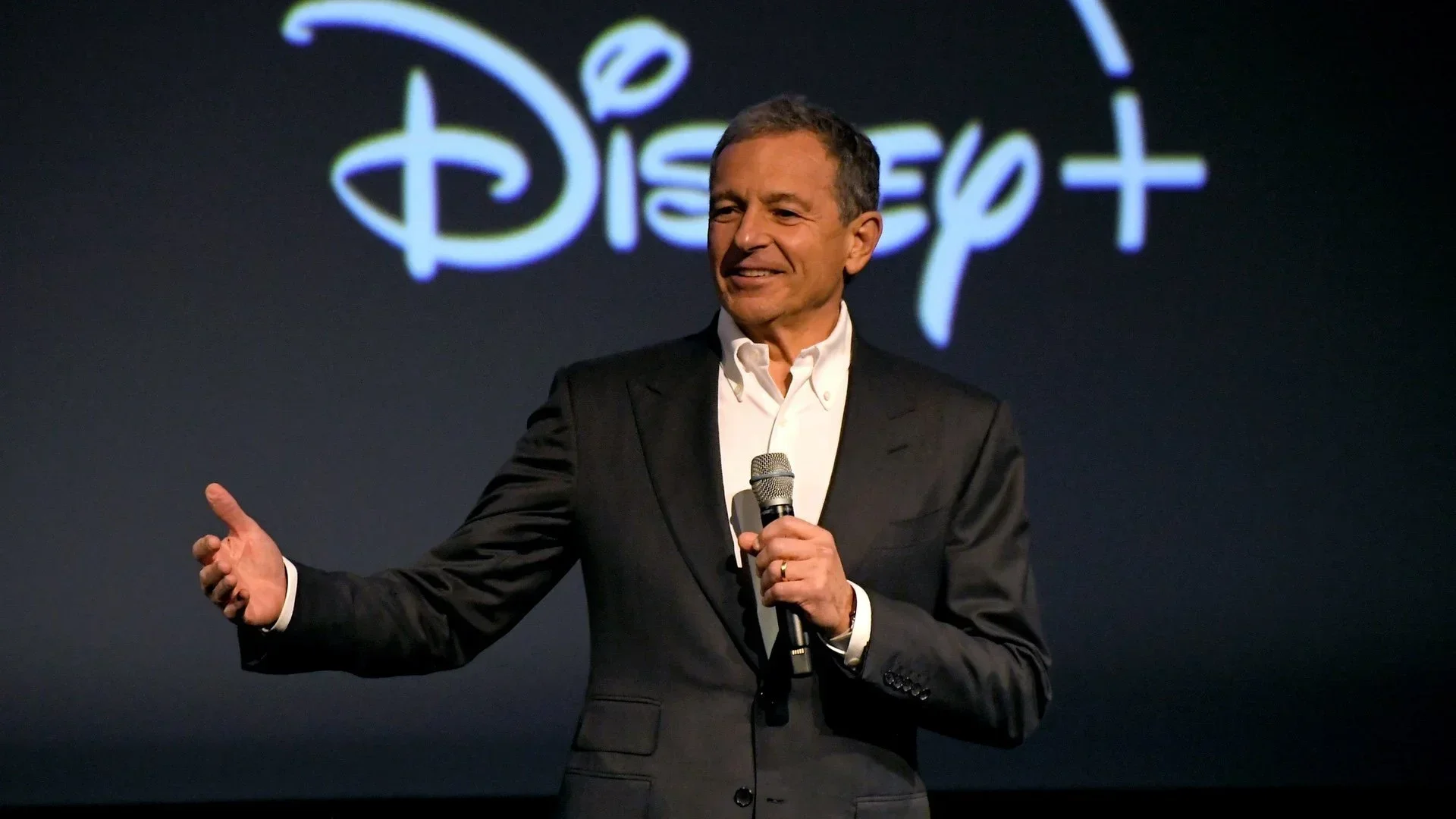
The Walt Disney Company has once again reminded everyone where its priorities sit, at least at the top of the corporate ladder. CEO Bob Iger saw his fiscal 2025 compensation climb to $48.8 million, a roughly 12% increase from the $41.1 million he pulled in the year before, according to the company’s annual proxy statement filed with the SEC.
That’s a hefty jump, even by Hollywood executive standards, and it lands at a moment when Disney is still very publicly wrestling with its future leadership and creative direction.
The proxy filing lays out Iger’s pay in detail. His package includes a $1 million base salary, $21 million in stock awards, $14 million in option awards, and $7.25 million in non-equity incentive plan compensation, essentially a cash bonus.
Another $2.59 million falls under “other” compensation, covering security costs and personal air travel. Disney’s fiscal year ends in September, and these numbers reflect a company that continues to reward its top executive generously while much of the industry tightens belts.
At the same time, Disney’s board is trying to project confidence and control over the long-promised CEO transition. In a letter to shareholders, chairman James Gorman reiterated that the company expects to name Iger’s successor in early 2026.
The annual shareholder meeting has been set as a virtual event for March 16 at 10 a.m. PT, another reminder of how corporate and carefully managed this process has become.
“Management succession planning remains a top priority for the Board, reflecting its importance to business continuity and long-term shareholder value.
Oversight of the process is led by our dedicated Succession Planning Committee, and all directors have actively participated in a rigorous and ongoing evaluation of potential successor candidates, including direct engagement, performance assessment and consideration of leadership capabilities aligned with the Company’s long-term strategy.
The appointment of the next CEO will be determined by the full Board, and we currently expect to announce the appointment of the Company’s next CEO in early 2026,” Gorman wrote in the proxy.
Iger also offered his own polished reflection on the state of the company and his return to the role in 2022, leaning hard into optimism and gratitude.
“As I reflect on all that we’ve accomplished, both in fiscal 2025 and since I returned to the company in 2022, I am inspired and energized by the opportunities before us. Through our strategic vision and unmatched collection of businesses, we continue to tell great stories that are reaching more people, in more places, in more ways than ever before.
“I am grateful to our leadership team for their dedication and vision during this transformative period, and I’m grateful to you, our shareholders, for your continued support of this remarkable company,” he wrote.
What’s hard to ignore, though, is how much oxygen this industry gives to executive maneuvering compared to the actual art that built these companies in the first place.
CEO succession, board oversight, compensation packages, and internal politics dominate the conversation, while filmmakers, writers, animators, and artists fight for resources and stability. Too often, studio leadership feels less focused on nurturing storytelling and more focused on protecting turf, consolidating power, and making sure no one beneath them gets too loud or too influential.
It becomes a constant chess match of control, where decisions are driven by money and hierarchy rather than a genuine love of movies, television, or imaginative risk-taking.
That context makes the Disney succession race feel less like an exciting creative turning point and more like another high-stakes power struggle. Internally, Josh D’Amaro, chairman of Disney Experiences, and Dana Walden, co-chair of Disney Entertainment, are widely viewed as the leading contenders.
There’s even chatter about a possible co-CEO setup, a structure that’s been working at places like Netflix. Disney’s leadership transition is now one of the most closely watched stories in the business, right alongside the unresolved future at Warner Bros. Discovery.
For now, Iger remains in charge, extremely well paid, and central to every major decision the company makes. The board says it has a plan, the clock is ticking toward early 2026, and the industry keeps watching.
The real question is whether Disney’s next era will be defined by a renewed commitment to storytelling and creative passion, or if it’ll just be another reshuffling of executives fighting to hold onto the throne.
Via: Deadline