EXIT 8 Director Wants to Reinvent Video Game Movies by Blurring the Line Between Film and Gameplay
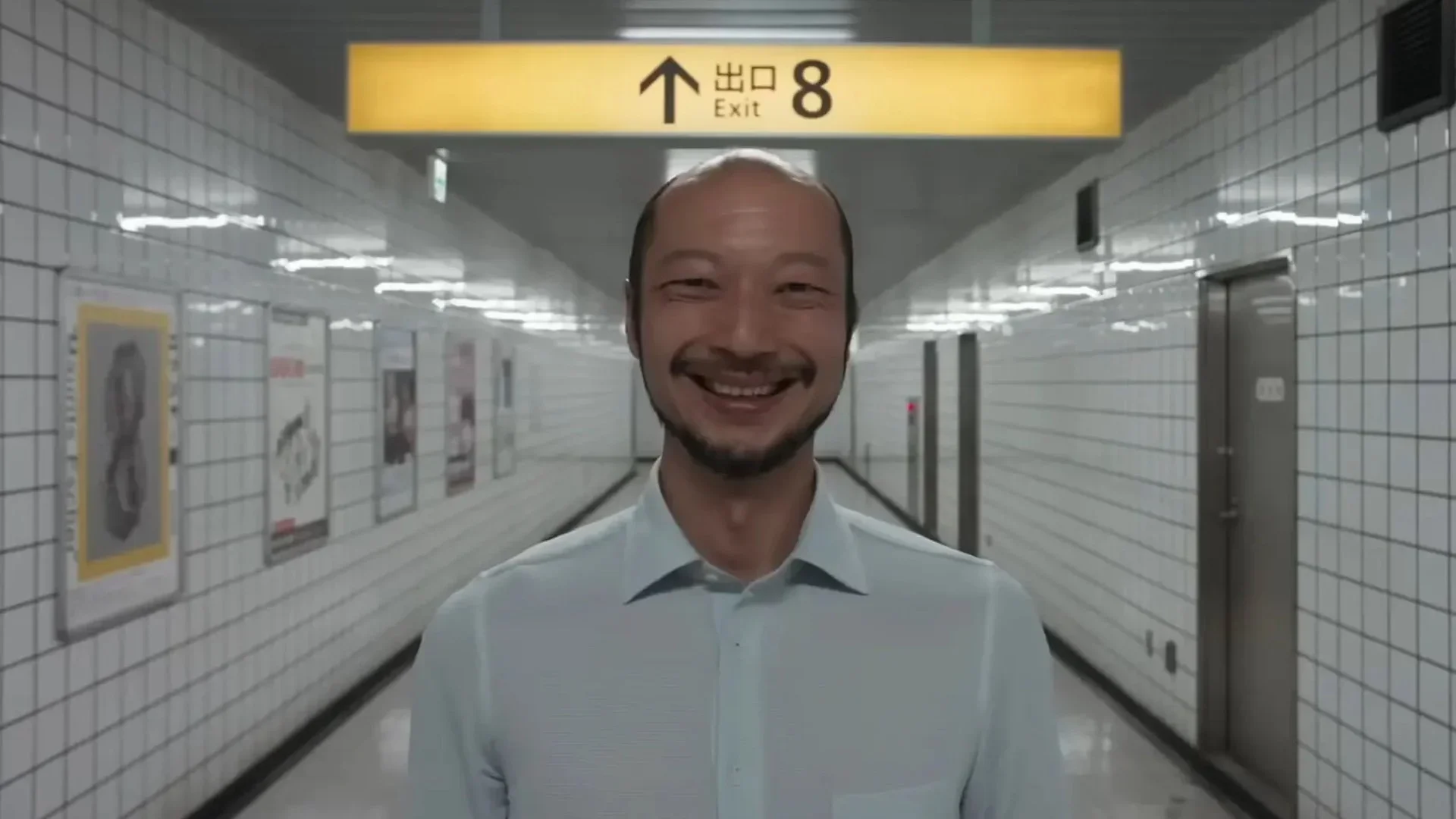
Video game adaptations have come a long way, but Exit 8 is looking to do something very different. Instead of simply translating a game into a cinematic format, director Genki Kawamura is pushing toward something more immersive, something that feels like it lives between two worlds.
The upcoming psychological horror film doesn’t just borrow from its source material, it tries to rethink how audiences experience both games and movies at the same time.
Kawamura’s approach comes directly from how he first encountered the original game. Watching players interact with it online changed how he saw its potential.
"So when this game came out, people were playing the game on streaming," Kawamura explains to GamesRadar+. "I was very impressed with the overall game design.
“But I also watched a lot of different streamers. And because the game is so simple, it served as this backdrop, and there were as many stories in there as there were players and videos on stream. So I thought that this game almost served as a device to explore something much more human."
The original Exit 8 is deceptively simple. It’s a looping 3D walking simulator set inside a Japanese subway corridor. Players move forward, carefully scanning their surroundings for subtle or disturbing changes.
Spot nothing unusual, and you progress. Notice something off, and you turn back. Miss it, and you’re sent all the way back to the beginning. It’s repetitive by design, but that repetition builds tension.
The film adaptation takes that concept and layers in a personal story. A young man known only as The Lost Man, played by Kazunari Ninomiya, is hit with life-altering news that his girlfriend is pregnant.
Overwhelmed, he steps off a train and ends up trapped in the same kind of endless looping corridor from the game. To escape, he has to follow the same rules, observe carefully, survive the anomalies, and keep moving forward. Some of those anomalies lean hard into nightmare fuel.
What makes this project stand out is how Kawamura views the source material itself. He sees it less like a traditional game and more like a piece of personal expression.
"I think video games are amazing in their own right. There are many people who play them, many people involved in the development of them," Kawamura continues. "But looking at Exit 8, this was developed by a single person, a twenty-six-year-old kid based in Kyoto… Kotake Create [is the] company.
“But I think because a single person saw it from end to end, the vision is very, very clear. It was almost like you're looking at fine art or a novel. There was something very inventive and knew about it, and it was a very direct reflection of the creator's vision."
That perspective shapes how he approached the adaptation. Instead of expanding the game into something bigger and more cinematic in the traditional sense, he focused on preserving that singular vision while evolving the format itself.
"And when making a movie, I think that's what we really want to see. And I wanted to replicate that with Exit 8 in a way. I wanted to reinvent sort of the movie format, if you will.
“So instead of looking at this as a video game, adapted into a movie, I thought of it almost as well... we want to create a brand new experience where the borders between the movie and game mediums are blurred."
Exit 8 made history as the first video game adaptation to screen at the Cannes Film Festival, and it’s currently sitting at an impressive 97% on Rotten Tomatoes. That kind of reception suggests this experiment might actually work.
The film hits theaters in the U.S. on April 10. If you’re into psychological horror or curious about where game adaptations could go next, this is one to keep on your radar.