Gareth Edwards Calls AI the Future of Filmmaking and Compares It to a “Second-Unit Director Who is a Billionaire on Acid”
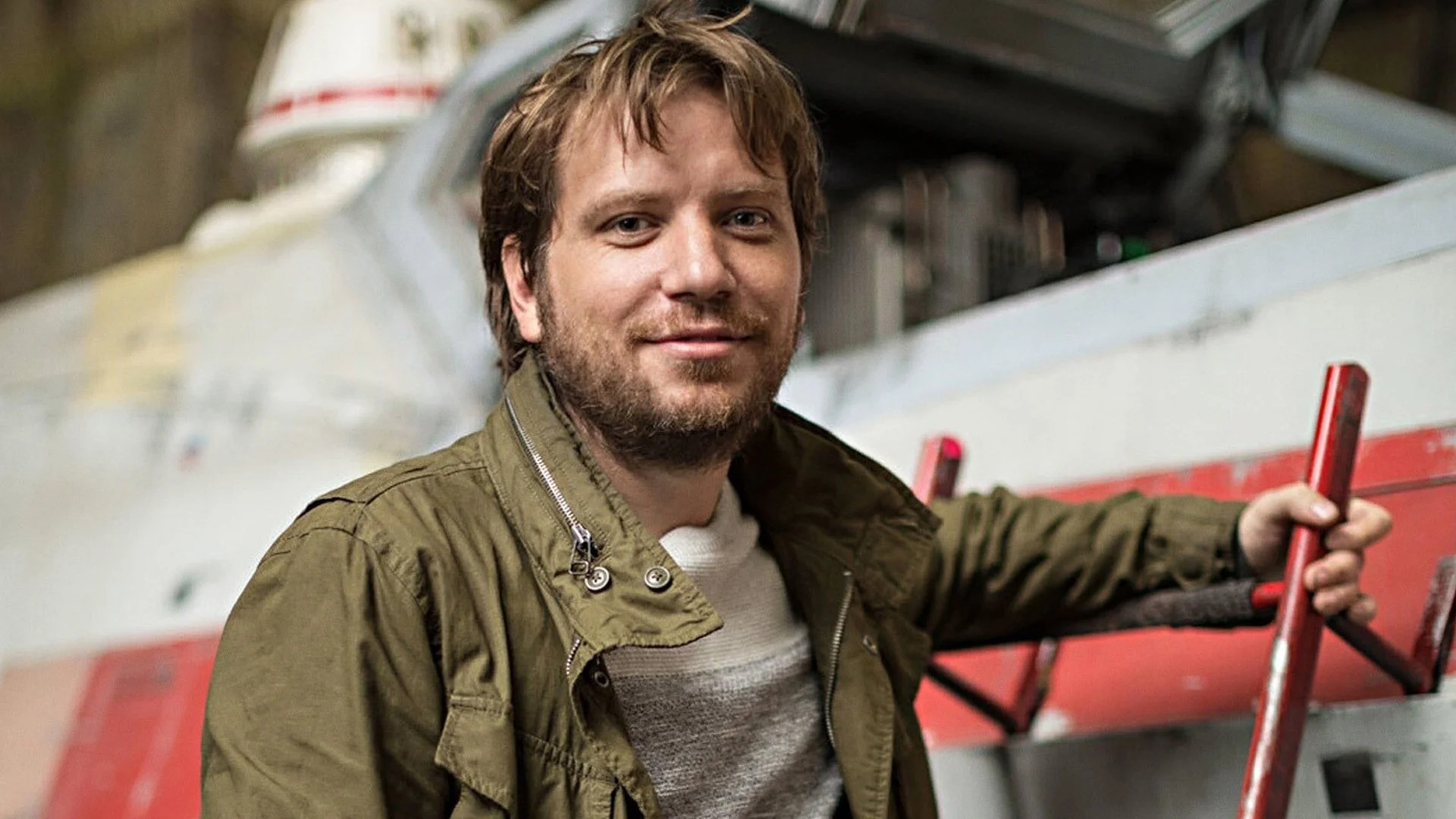
Gareth Edwards has spent years building giant cinematic worlds, from Godzilla and Rogue One: A Star Wars Story to The Creator and, most recently, Jurassic World Rebirth. Now, the filmmaker is looking toward another frontier that continues to divide Hollywood: artificial intelligence.
Speaking at Amazon’s “AI on the Lot” event in Los Angeles, Edwards made it clear that he sees generative AI as something filmmakers should be paying attention to.
“I can’t see a reason why you wouldn’t become interested in this stuff as a filmmaker,” Edwards said. “It’s so clearly a tool that might be up there with the camera. It’s going to be better than CGI. I’m excited. I hope you are.”
That’s a pretty strong endorsement at a time when AI remains one of the most controversial topics in the entertainment industry. While some creatives see it as a useful production tool, others remain deeply concerned about where AI-generated ideas and imagery come from and how they might impact artists, writers, and filmmakers.
To be fair, Edwards isn’t talking about handing the keys to a movie over to an AI system. He explained that he sees the technology as something that can help during the early stages of development rather than something that should be creating the final film itself.
“It has no taste whatsoever. It is a f*cking genius at helping you. I view it like having a second-unit director who is a billionaire on acid. Like, it’ll do anything you ask, not a problem. Sometimes it’ll [go] batshit crazy. And you’ll give it notes, and it’ll be like, ‘I don’t do notes. I’ll just do something totally different.’ But it’s worth it.”
Still, it doesn’t answer the bigger concern many filmmakers have about AI. If these systems are helping generate concepts and ideas, where exactly are those ideas coming from? They certainly aren’t appearing out of thin air.
Edwards went on to explain how he believes AI is best used as a creative exploration tool rather than a replacement for the filmmaker’s own voice.
“It’s only good for iteration and discovering what the movie should be, and then once you know what it is, go in and start making it your movie.”
That distinction is likely where much of the debate will continue. Supporters see AI as a brainstorming partner. Critics argue that even at that stage, the technology is often drawing from existing creative works without proper credit or compensation.
One thing Edwards seems willing to acknowledge is that nobody really knows where this technology is headed. While many people have strong opinions about AI’s future, he isn’t pretending to have all the answers.
“We don’t know where it’s going to go,” he said. “I think anybody saying they know exactly what’s going to happen over the next five years is just a liar.”
That may be the most realistic part of the conversation. AI is evolving at a rapid pace, and the film industry is still trying to figure out where the boundaries should be. Some studios are exploring ways to use it, while creatives across Hollywood continue pushing for safeguards and protections.
It’ll be interesting to see how Edwards’ views on AI factor into his future projects. There are already rumors linking him to a potential sequel to Jurassic World Rebirth, and if that happens, it raises an interesting question.
Would studios like Universal and filmmakers like Steven Spielberg be comfortable with AI playing any role in the creative development process?
The conversation around AI in filmmaking isn’t going away anytime soon, and with directors like Edwards openly embracing the technology, it’s only going to become a bigger part of Hollywood’s future. Whether that future ends up being exciting, concerning, or somewhere in between remains to be seen.
Source: The Hollywood Reporter