George A. Romero’s Original NIGHT OF THE LIVING DEAD Ending Let Barbra Survive
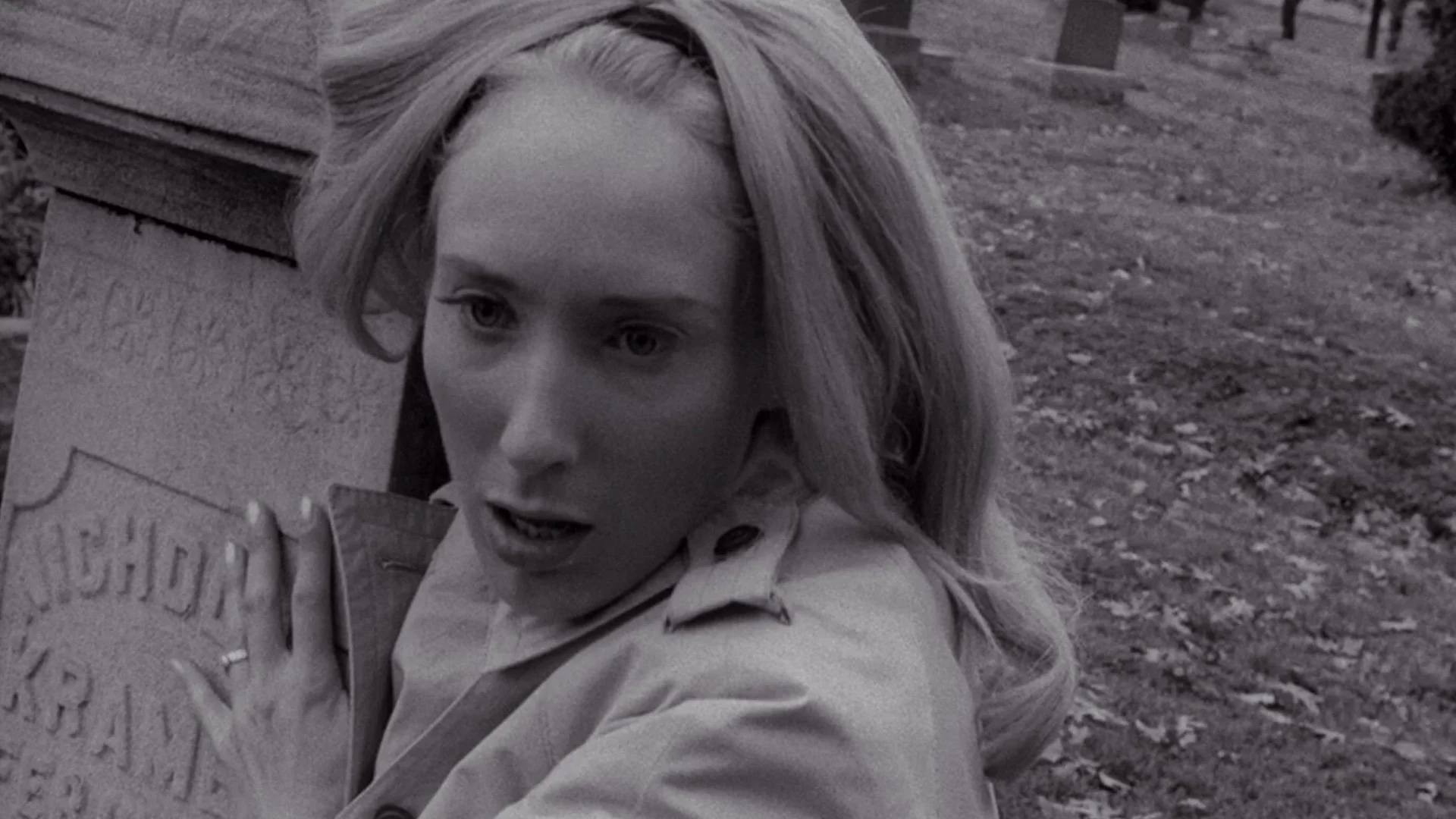
The ending of Night of the Living Dead is brutal, cruel, and a huge part of why the movie still hits nearly 60 years later. George A. Romero made survival feel almost meaningless in his 1968 horror classic, with characters fighting through a nightmare only to discover that making it to morning doesn’t necessarily mean they’re safe.
But Romero almost gave the movie a much more hopeful ending, and it would have completely changed the fate of Barbra.
Judith O’Dea, who played Barbra in the groundbreaking zombie film, recently revealed that Romero’s original idea was for her character to be the only person to survive the night. Even more interesting, O’Dea didn’t know that while they were making the movie because she never had a complete screenplay.
ComicBook talked to O’Dea at San Diego Comic-Con while she was promoting the new book Night of the Living Dead: The Official Story of the Film. When asked about her reaction to the movie’s famous ending, O’Dea explained that she couldn’t have reacted to it while filming because she had no idea where Barbra’s story was headed.
“I never had a script ever,” O’Dea said. “Maybe I’d get a page or two of the dialogue, whatever scene we were doing. I had no idea where Barbra was going to go.
“I only learned through conventions when George would join us. Barbra originally, in his concept, was going to be the only one to survive. George rethought that whole idea and thought, no, I think it would be more exciting if we had Russ come back and get her.”
Romero’s initial ending would have revealed Barbra alive as the posse arrived outside the farmhouse. A close-up of a tear would confirm that she was still human, making her the sole survivor of the horrifying night.
That’s a radically different fate from what audiences eventually got. Romero reconsidered the idea and brought Johnny back into the story.
Russell Streiner, who played Barbra’s brother, returns as one of the undead and drags her into the horde. It also gives the movie’s famous opening taunt, “They’re coming to get you, Barbra,” a nasty payoff when Johnny ultimately becomes one of the monsters who gets her.
The finished movie only becomes more merciless from there. Ben survives the zombie attack by hiding in the cellar, only to emerge the next morning and be mistaken for one of the undead. He’s shot and killed by the posse, leaving nobody from the farmhouse alive.
That ending became essential to Night of the Living Dead and helped establish Romero as a filmmaker willing to deny audiences the comforting resolution they might expect. Knowing that he once considered letting Barbra walk away from the nightmare makes the version he chose even more interesting.
O’Dea was in her early 20s when the film was made, and Night of the Living Dead was her first feature. Because she didn’t have previous movie experience to compare it with, Romero’s unusual way of working didn’t seem especially strange to her.
It also gave the actors room to shape parts of their characters themselves. Romero would tell them what information a scene needed to communicate, then allow the performers to work out how they would get there. One of Barbra’s important scenes with Ben was created that way.
“What was fun, too, is that oftentimes we were allowed to improvise,” O’Dea said. “George would say, specifically the scene where Ben and Barbra are talking in the house, about what happened to each of them. Barbra was talking about Johnny and the candy and going to the cemetery. That was all improv.”
Romero’s original plan for Barbra also raises a cool horror-history question. Had she survived, could Night of the Living Dead have delivered an early version of the “final girl” years before the trope became a recognizable part of horror movies?
Sally Hardesty escaped Leatherface in The Texas Chainsaw Massacre in 1974, while Laurie Strode survived Michael Myers in Halloween in 1978. Barbra emerging as the lone survivor in 1968 would have put Romero’s film well ahead of those landmark examples, even if the conventions associated with the final girl archetype hadn’t been established yet.
Instead, Romero went in the opposite direction. Nobody gets the victory. Barbra doesn’t escape. Ben doesn’t get rescued. Sunrise offers no protection, and the people arriving to clean up the zombie outbreak become responsible for the movie’s final tragedy.
It’s hard to argue with Romero’s decision when you look at what Night of the Living Dead became. Its grim conclusion helped give the film an identity that has endured for generations, while its social and political interpretations continue to fuel discussion decades after its release.
Still, imagining Barbra standing alive outside that farmhouse is a fascinating alternate version of horror history. Romero could have ended his zombie classic with one small piece of hope and potentially introduced audiences to an early final girl in the process.
Instead, he chose to rip that hope away. Night of the Living Dead was ultimately stronger for it.