Gore Verbinski Says Video Games Are Wrecking Modern CGI And He’s Not Pulling Punches
Movies and TV shows are bigger than they’ve ever been. Tentpole releases aren’t just a summer thing anymore, and streaming platforms are locked in a never-ending arms race to crank out massive genre shows loaded with visual effects. CGI is everywhere. The problem is that a lot of it looks rough, especially when you compare it to effects work from 15 or 20 years ago.
Plenty of recent Marvel Studios films look strangely flat and cheap compared to earlier entries that cost less and had fewer digital tools at their disposal. Even high-dollar streaming series like Stranger Things and The Rings of Power stumble visually at times.
That’s wild when you remember how jaw-dropping some mid-2000s CGI still looks today. Effects from The Lord of the Rings trilogy and Pirates of the Caribbean are insanely good compared to what we are seeing today!
Few filmmakers understand that era of effects better than Gore Verbinski. As the director of the original Pirates of the Caribbean trilogy, he oversaw some of the most impressive blockbuster visual effects ever put on screen.
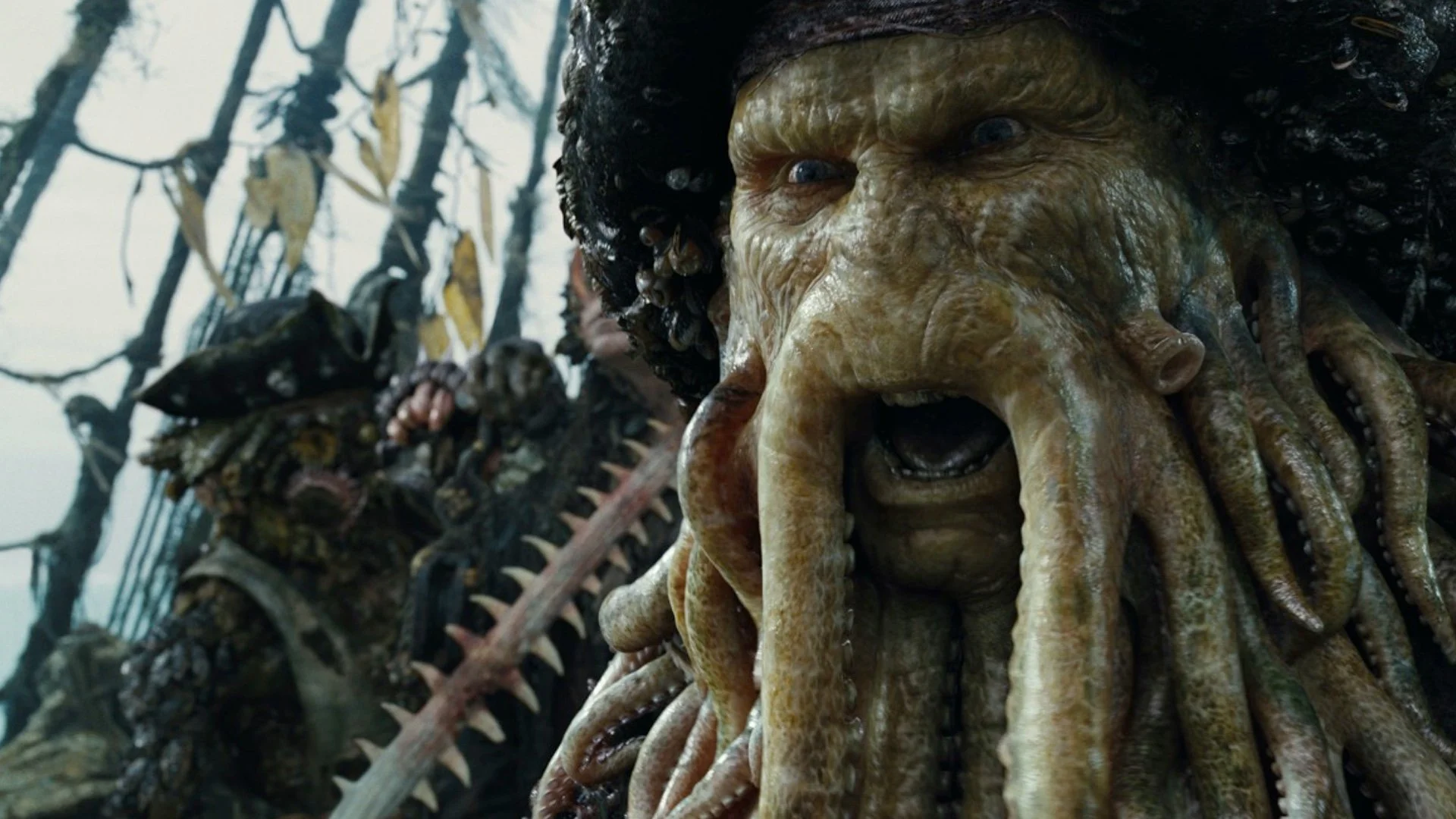
Bill Nighy’s Davy Jones, a fully digital character first introduced nearly two decades ago, still looks shockingly incredible. The texture, the lighting, the performance, it still holds up after all these years.
Verbinski is back in the director’s chair with Good Luck, Have Fun, Don’t Die, his first feature in ten years. Following the film’s premiere at Fantastic Fest in 2025, he spoke with ButWhyTho and offered a blunt take on why modern CGI so often feels off. In his view, video games are a big part of the problem.
“I think the simplest answer is you've seen the Unreal gaming engine enter the visual effects landscape.”
The Unreal Engine has powered major video game franchises like the Mass Effect trilogy for years. More recently, it’s been embraced by film and TV productions, especially for virtual sets through StageCraft, the tech famously used on The Mandalorian. According to Verbinski, that shift has brought a distinctly game-like look into cinema.
“It works with Marvel movies where you kind of know you're in a heightened, unrealistic reality. I think it doesn't work from a strictly photo-real standpoint.”
Studios are open about using Unreal Engine for pre-visualization and planning, including major sequences like the Harkonnen arena fight in Dune: Part Two.
The concern, at least for Verbinski, is that the engine is now being used more aggressively for final rendering, even competing with traditional animation tools like Maya.
“I just don't think it takes light the same way; I don't think it fundamentally reacts to subsurface, scattering, and how light hits skin and reflects in the same way. So, that's how you get this uncanny valley when you come to creature animation, a lot of in-betweening is done for speed instead of being done by hand.”
He went so far as to call the trend “the greatest slip backwards,” arguing that studios are committing too hard to a single tool instead of using whatever best serves the shot.
Verbinski pointed out how easy it is for realism to fall apart. You might create “a very real helicopter,” but the second it moves incorrectly, the illusion collapses and your brain rejects it.
That same issue pops up with digital body doubles, something Marvel Studios has struggled with in projects like She-Hulk: Attorney at Law. The tech can replicate an actor’s face, but without skilled animators carefully recreating human movement, it all feels off.
This is a critique worth paying attention to. Whether studios listen is another story.