Hollywood Is Using AI to Help Make Movies, but They Want to Hide That Fact
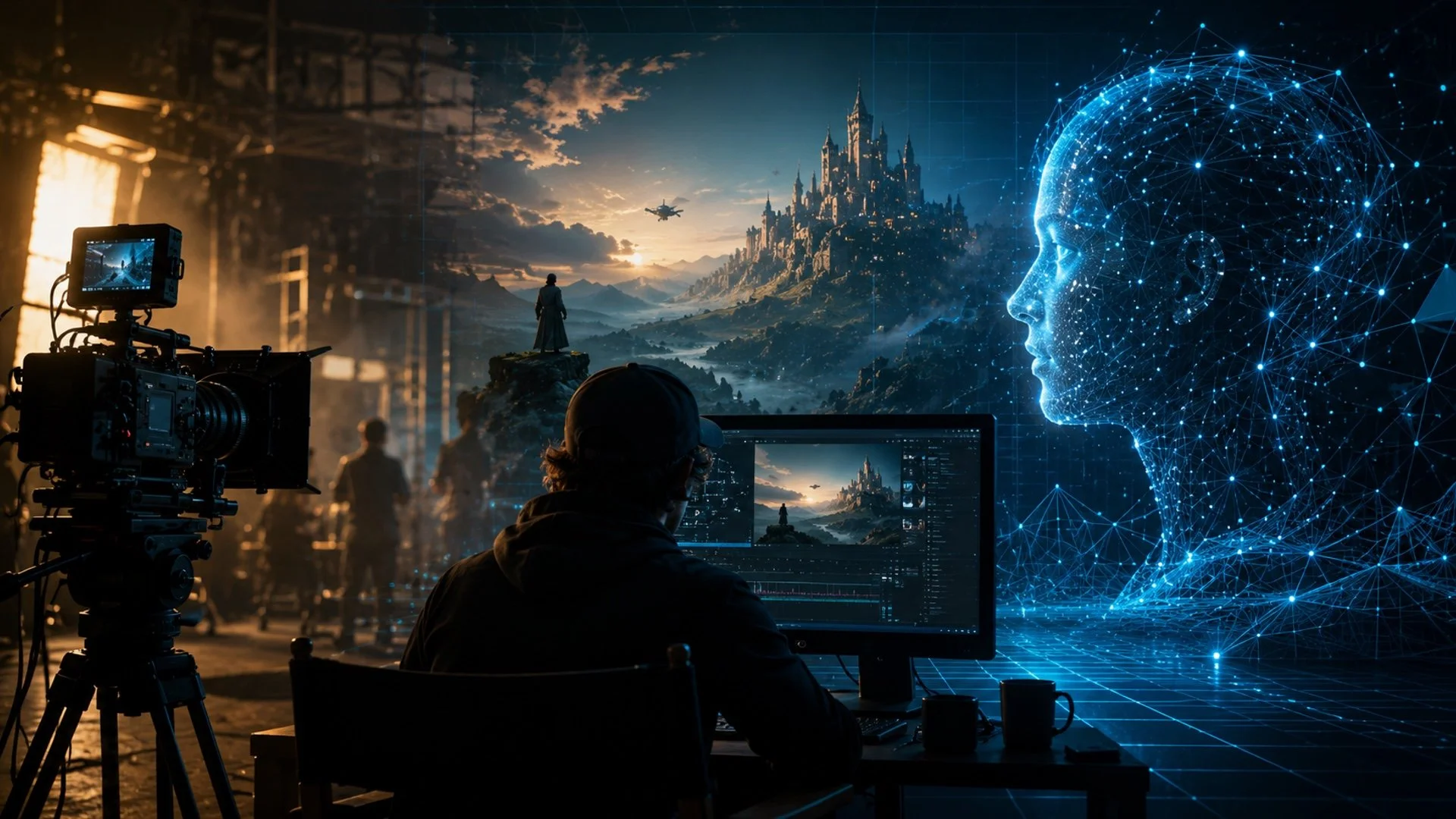
For a while now, I’ve been talking about AI as Hollywood’s dirty little secret. While studios, filmmakers, and executives publicly debate artificial intelligence, many productions are already using it in ways audiences never realize. The difference now is that the secret is starting to slip out into the open.
According to a recent report from Deadline, AI tools are being used across Hollywood productions to clean up visual effects, adjust dialogue, refine shots, and help streamline post-production work. Yet in many cases, the companies providing these services aren’t even getting credited.
One influential AI technologist told the outlet that his company’s tools are widely used throughout the industry, but only around 20% of the projects they work on publicly acknowledge their involvement.
That means roughly 80% of the work they do remains invisible to audiences. That includes helping on a major 2026 box office hit, where the film’s director reportedly took a hands-on interest in the AI-powered post-production process.
Studios are using technology to smooth over imperfections, tighten up scenes, and improve the final product, but they’d rather not advertise how those improvements were made. The concern isn’t necessarily about the technology itself. It’s about perception.
Many studios are worried that audiences, creatives, and industry professionals will immediately recoil the moment they hear the letters “A” and “I.” It doesn’t matter whether the technology was used responsibly or whether it was simply helping artists finish their work more efficiently. For many executives, mentioning AI at all feels like opening the door to controversy.
As a result, secrecy becomes the easiest option. The irony is that modern AI tools have become so sophisticated that most moviegoers would never know they were being used in the first place.
The technology often operates in the background, enhancing existing work rather than replacing it. The audience sees the finished film and remains completely unaware of what happened during post-production.
But there’s a downside to keeping everything hidden. If AI is going to become a permanent part of filmmaking, and there’s little evidence suggesting it won’t, then the industry eventually needs to have honest conversations about what these tools are actually doing. People can’t make informed opinions about the technology if they’re never told how it’s being used.
Transparency matters. That means showcasing real-world examples of AI helping filmmakers achieve creative goals. It means explaining where the technology fits into the production process while respecting copyright protections and honoring agreements with actors and creators.
It also means being honest about concerns surrounding job displacement while recognizing areas where new opportunities could emerge.
Hollywood has navigated technological anxiety before. A great example is James Cameron, who faced skepticism when developing Avatar. Rather than avoiding discussions about the groundbreaking technology powering the film, Cameron openly explained how those tools were being used to support storytelling. By bringing audiences into the conversation, he helped people understand the creative purpose behind the innovation.
The film industry is already having larger conversations about AI than it was even a year ago. Labor agreements now contain AI provisions. Directors are experimenting with new production workflows. Actors and artists continue speaking out against generative AI systems that use creative work without consent.
The conversation is happening whether studios like it or not. That was evident earlier this month when the Advanced Imaging Society gathered industry leaders and technology experts in Laguna Beach.
Among those participating was the Creators Coalition on AI, the advocacy group founded by Joseph Gordon-Levitt. The organization promotes responsible AI adoption throughout the entertainment industry, and its very first guiding principle is transparency.
That message resonates with many people working at the intersection of technology and filmmaking. Which is why the industry’s current habit of performing secret AI touch-ups on movies feels increasingly difficult to justify.
If studios genuinely believe these tools help artists tell better stories, then they should be willing to explain how and why they’re using them. Hiding the technology may avoid uncomfortable conversations in the short term, but it also fuels suspicion and misinformation.
Hollywood spent years pretending cosmetic procedures didn’t exist before eventually accepting that audiences could handle the truth. AI may be heading down the same path.
For the good of filmmakers, artists, and movie fans alike, it might be time for Hollywood to stop concealing the digital fillers and start talking about them.