How a Terrible Series Finale Can Destroy Years of Great Storytelling
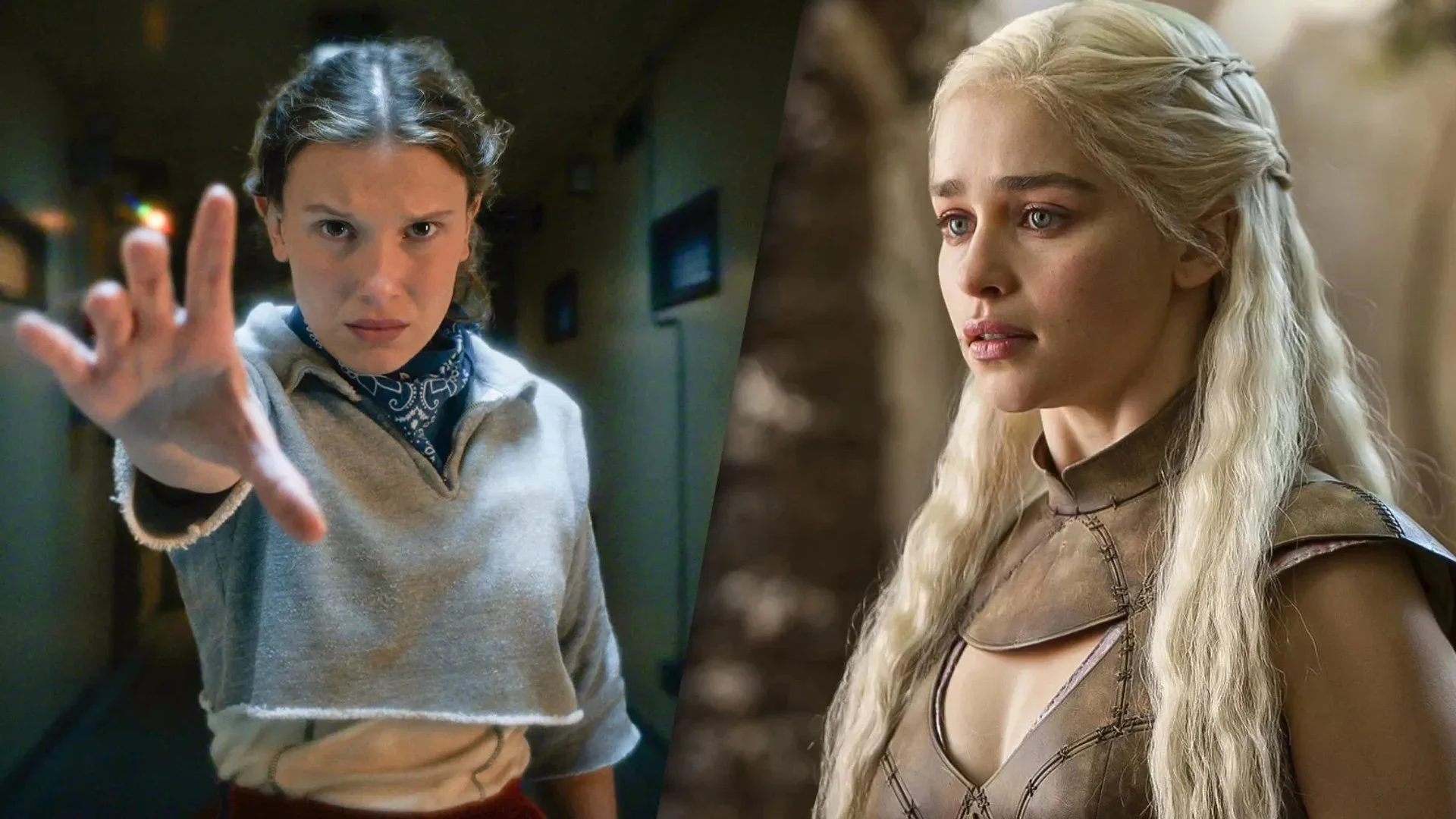
There’s nothing worse than sticking with a TV show for years only to watch it crash and burn in the final stretch. We invest time, emotions, and countless rewatches into these long-running series.
So when the finale fumbles the landing, it doesn’t just disappoint, it can completely rewrite how we feel about everything that came before it.
That’s exactly what Nerdstalgic dives into in a new video that breaks down how a bad finale can torpedo an otherwise great show. The video explores several major television series that left fans stunned for all the wrong reasons, proving that the last episode can shape a show’s entire legacy.
One of the biggest case studies? Stranger Things.
When Stranger Things first hit Netflix in 2016, it became an instant obsession. The mix of ‘80s nostalgia, supernatural horror, and lovable misfit heroes helped it dominate streaming and pop culture for years. But according to the video, when the final season dropped, the reaction wasn’t exactly celebratory.
Nerdstalgic explains: “When Stranger Things premiered in 2016, it became a cultural phenomenon. Reviving ‘80s nostalgia, redefining Netflix originals, and building one of the most passionate fanbases in modern TV history, Stranger Things turned streaming upside down.
“But when the highly anticipated final season finally arrived, something felt…strange. Instead of closure, fans were left with unanswered questions, character inconsistencies, and a finale so divisive that it sparked a massive conspiracy theory known as Conformity Gate.”
That conspiracy theory, dubbed “Conformity Gate,” claimed the supposed series finale that aired on December 31, 2025 wasn’t actually the real ending at all. Some fans convinced themselves it was a Vecna-induced illusion and that the true finale would air a week later on January 7, 2026. That’s how deep the frustration ran. Viewers weren’t just unhappy, they were rewriting reality to cope with it.
And Stranger Things isn’t alone.
Nerdstalgic also points to Game of Thrones, How I Met Your Mother, and The Sopranos as prime examples of finales that sparked outrage, confusion, and endless debate.
Game of Thrones became a global juggernaut before its final season left a huge portion of the audience furious over rushed storylines and controversial character turns.
How I Met Your Mother spent nine seasons building toward one romantic payoff, only to swerve in a direction that alienated a big chunk of its fanbase. And The Sopranos famously cut to black in its final moments, a creative decision that still divides viewers to this day.
As Nerdstalgic puts it: “From The Sopranos cutting to black, to the backlash surrounding How I Met Your Mother, and the cultural implosion of Game of Thrones, fandoms have repeatedly proven one thing: no one loves…or hates a show more than its fans.”
That really is the core of it. The more we love a series, the higher the expectations climb. A strong finale can cement a show as legendary. A messy one can leave people wondering if they even want to rewatch it.
The video makes a solid case that the ending isn’t just another episode. It’s the lens we use to judge the entire journey. If the resolution feels earned, we forgive a lot of bumps along the way. If it doesn’t, even years of great storytelling can feel tainted.
For TV fans who’ve ever yelled at their screen during a finale or spent hours arguing online about what should’ve happened, this breakdown is worth a watch. It’s a reminder that in the world of long-running television shows, the final chapter might be the most important one of all.