James Cameron Blasts Netflix’s Warner Bros. Takeover Bid and Sounds the Alarm for Movie Theaters
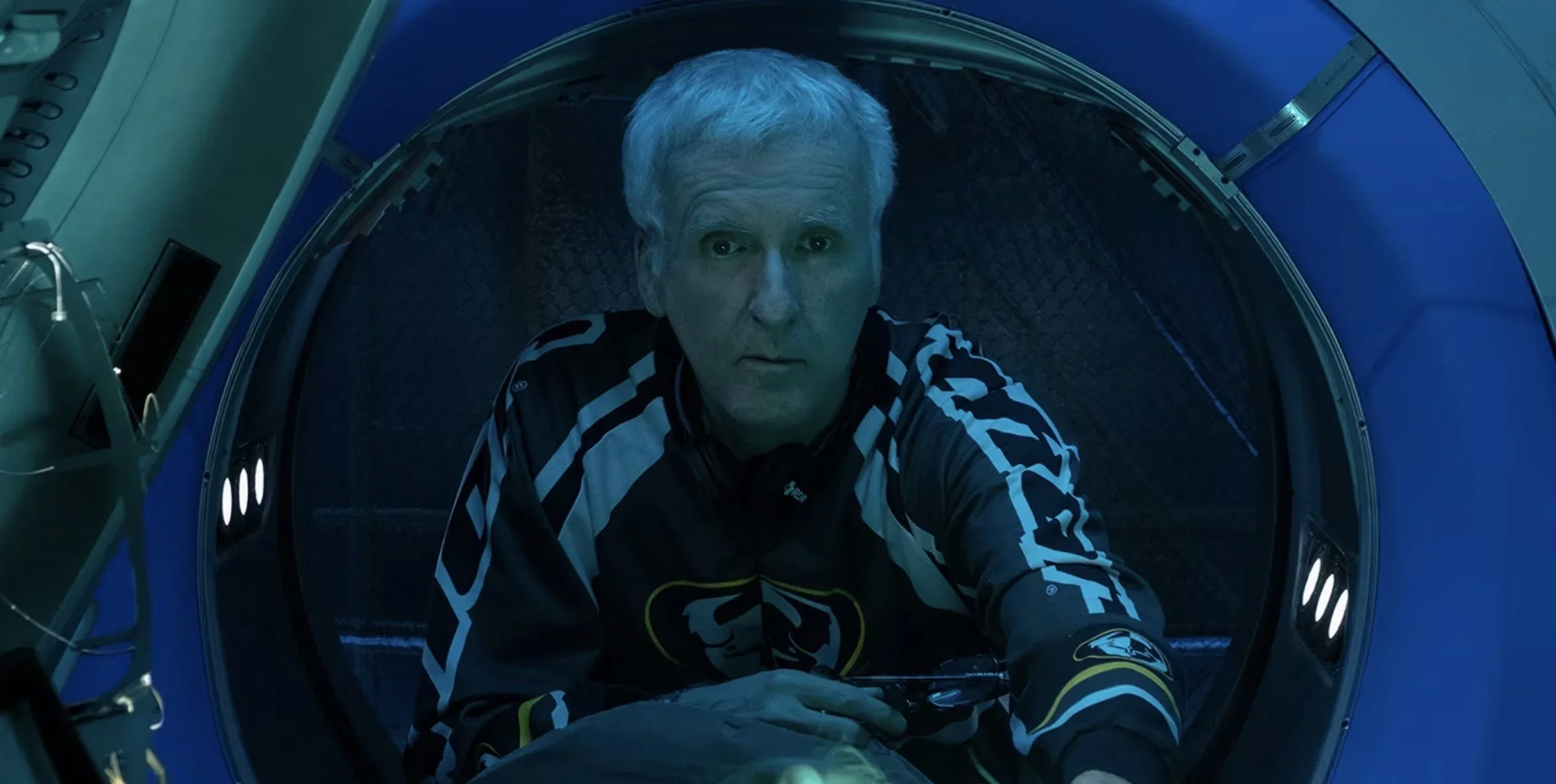
The fight over Warner Bros. is getting intense, and now one of Hollywood’s biggest heavyweights has stepped into the ring. As Netflix and Paramount circle Warner Bros. Discovery in a high-stakes acquisition battle, James Cameron has made it clear he’s not thrilled about the direction things could go, especially if Netflix takes control.
Cameron, the filmmaker behind the massive Avatar franchise, has built a 44-year career crafting movies for the big screen, and he isn’t staying silent about what he sees as a real threat to theatrical moviegoing.
With Netflix currently viewed as the frontrunner to acquire Warner Bros., concerns about the fate of theatrical releases have been front and center. Netflix co-CEO Ted Sarandos has repeatedly promised that if the deal goes through, Warner Bros. films will still get a 45-day theatrical window before hitting streaming.
But theater owners aren’t convinced, and now Cameron is amplifying those doubts in a letter sent to Utah Senator Mike Lee, who chairs the Senate subcommittee on Antitrust, Competition Policy, and Consumer Rights.
As reported by CNBC via The Hollywood Reporter, Cameron didn’t hold back in his February 10 letter. He wrote:
“My 44-year directing career has been focused on making movies for theatrical exhibition, and I believe strongly that seeing movies in theaters is an important pillar of our culture,” he wrote. Also, aater in the letter he calls himself “a humble movie farmer.”
That passion for theatrical storytelling runs deep. Cameron went further, stating:
“The proposed sale of Warner [Bros.] Discovery to Netflix will be disastrous to the motion picture business that I have dedicated my life’s work to. Of course, all of my films play in the downstream video markets as well, but my first love is the cinema … theatrical exhibition is a critical part of my creative vision. I believe in the big screen.”
He pointed to Sarandos’ past comments calling theaters “outmoded” and “outdated” and argued that because “the business model of Netflix is directly at odds with the theatrical film production and exhibition business,” that puts it directly at odds with the business model of Warner Bros.’ movie division.
The length of theatrical windows is another sticking point. While Netflix has recently touted a 45-day commitment, Cameron referenced a previously reported 17-day window and questioned whether that promise would stick long term. In his letter, he asked:
“What administrative body will hold them to task if they slowly sunset their so-called commitment to theatrical releases?”
He also raised concerns about how meaningful Netflix’s theatrical rollouts would actually be, writing:
“Netflix has done only a handful of theatrical releases, and only then under pressure from prestigious filmmakers. But these are usually in a token number of theaters, and are mostly done to qualify for Academy Awards. These releases do not represent the bread-and-butter of the exhibition business.”
And in true Cameron fashion, he couldn’t resist a Titanic reference, warning that “the theatrical experience of movies could become a sinking ship.”
Sarandos responded in an interview on Fox Business’ The Claman Countdown, saying:
“I met with James personally in late December and laid out for him our 45-day commitment to theatrical exhibition of films and to the Warner Brothers slate.
“I have talked about that commitment in the press countless times. I swore under oath in front of the Senate Subcommittee on Antitrust that that’s what we would be doing.”
He added: “So … I’m particularly surprised and disappointed that James chose to be part of the Paramount disinformation campaign that’s been going on for months about this deal,” the Netflix boss said. He emphasized, “I have never even uttered the words ’17-day window.’”
At the heart of this clash is a much bigger question about the future of Hollywood. Can streaming giants and traditional theatrical distribution truly coexist in a way that satisfies filmmakers, studios, and theater owners? Or does a Netflix-led Warner Bros. shift the balance permanently toward streaming-first releases?
Cameron has built his career on spectacle that demands to be seen on a massive screen with a crowd. From The Terminator to Avatar, his movies are engineered for that shared experience. So it isn’t surprising that he’s stepping up to defend it.
Now the spotlight turns back to lawmakers, regulators, and the studios themselves. Whatever happens with Warner Bros., this battle has made one thing clear… The war over the future of movie theaters is far from over.