James Gunn and Peter Safran Were Reportedly Ousted Because DC Studios Didn't Like What Was Coming Next
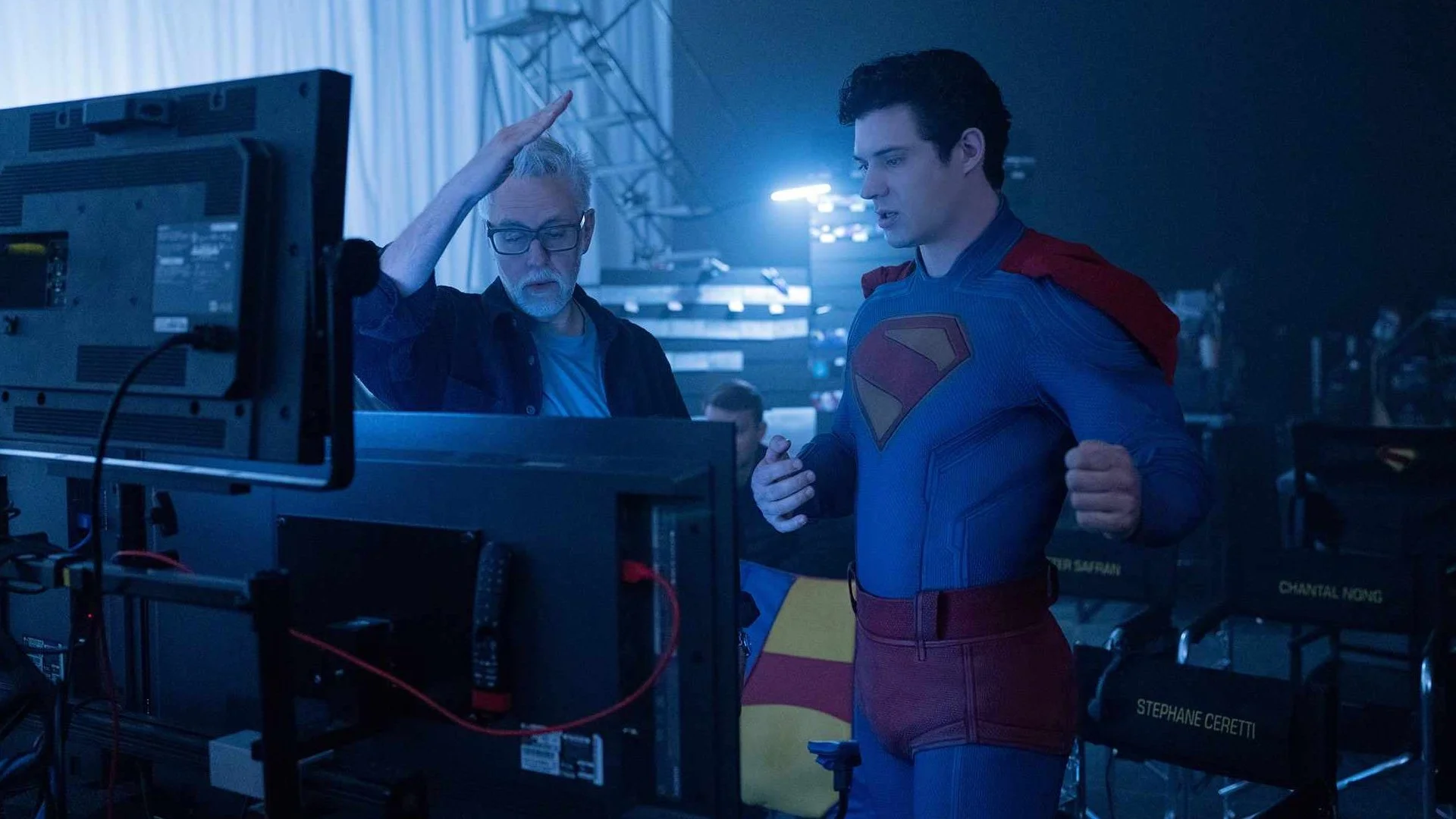
The shake-up at DC Studios has left fans wondering why James Gunn and Peter Safran have stepped down from their co-CEO positions, especially when the DC Universe was still finding its footing.
Now, a new report suggests David Ellison and the Skydance leadership weren't necessarily unhappy with what the duo had already accomplished. The bigger concern may have been what they had planned next.
According to insider Jeff Sneider, the decision to replace Gunn and Safran may have come down to a DCU development slate that executives felt was lacking major characters and projects capable of turning the franchise into the powerhouse they wanted.
In his newsletter, Sneider explained: "I’m told that more than anything, the decision was a reflection on what DC has in development — which isn’t much. Ellison and Skydance’s film chiefs, Dana Goldberg and Josh Greenstein, probably got a look under the hood and said to themselves, ‘Oh, no…’"
Rather than immediately bringing Batman and Wonder Woman into the spotlight, Gunn focused on lesser-known characters and projects that weren't necessarily guaranteed to attract massive audiences.
Sneider also shared the perspective of a veteran comic book editor who questioned that approach, saying: "I spoke to one veteran comic book editor who said, 'I guess playing in the obscure character toy chest isn’t the best foundation for a universe. I mean, why are we seeing Mr. Terrific and Guy Gardner before Batman? And now they want to make a Bane and Deathstroke movie? That’s an HBO show, at best.'”
It's a fair question! Characters like Mr. Terrific and Guy Gardner certainly deserve their moment, and exploring the stranger corners of DC Comics can be a lot of fun. But when you're trying to establish a major cinematic universe, it's understandable why executives might want Batman, Wonder Woman, and the Justice League leading the charge.
The planned "Gods and Monsters" slate also included some unusual projects, including a series centered on JImmy Olsen and Goritlla Grodd. That's the kind of weird comic book material Gunn enjoys, but it may not have been what Ellison and his team envisioned for DC Studios.
The situation becomes even more interesting when looking at the projects released under Gunn and Safran's leadership. Superman was a box office success, even if it didn't reach the heights some expected. Peacemaker Season 2 and Lanterns found success on streaming, while Clayface appeared positioned to turn a modest profit.
Supergirl, however, was an expensive disappointment, and Sneider believes that particular production may have contributed to Gunn's frustration with running a studio.
He suggested the film “really soured him on the job in general.” Sneider explained: "The job being Studio Boss who has to give notes to another filmmaker (Craig Gillespie), effectively telling him what to do.
“We all knew this would be a problem. I predicted as much when Gunn took the job — not only would directors resist notes from someone they view as a fellow filmmaker, but as a fellow filmmaker, Gunn may be reluctant to give them."
It's an understandable challenge for someone who spent much of his career making movies rather than overseeing other directors. Gunn suddenly found himself in a position where he had to make difficult creative decisions about projects being developed by his peers.
In his departure statement, Gunn acknowledged that the experience had taken a toll on him, saying: "What only the closest people to me have known over the past four years is my time at DC Studios has been trying, to say the least. I dislike the at-times corporate nature of the job (thanks to Peter for taking the brunt of that)."
He continued: "I’m always a very hard worker, but as a filmmaker I would at least get to take short breaks to unwind, and I’ve stolen even that time from both myself and my loved ones over the past four years (Jenn, I love you and I’m sorry and you don’t need to feel guilty for being the happiest of all people that I’m no longer doing this job)."
While Gunn's statement suggested he voluntarily stepped away, comments from Jeremy Slater, one of the writers Gunn recruited to help develop the DCU, paint a different picture.
Responding to Gunn's Instagram announcement, Slater wrote: "A terrible, baffling decision, but their loss is everyone else's gain. You and Peter [Safran] have created something incredible, and you should both be extremely proud. I can't wait to see what's next"
That certainly sounds like someone reacting to a firing rather than a planned departure. However, The Wall Street Journal also reported that Gunn may have already been considering leaving the position, which suggests the situation wasn't necessarily as straightforward as executives simply showing him the door.
As for what's next, Gunn and Safran are reportedly still involved with another major DCU movie, believed to be a Justice League project. Interestingly, Sneider claims the film originally began as Superman 3 before evolving into a team-up movie, possibly at Ellison's urging.
With Jeremy Latcham preparing to take control of DC Studios, it's difficult to imagine Gunn and Safran remaining creatively involved with the franchise for very long.
There's already speculation that Gunn could return to Marvel Studios, although that doesn't seem particularly likely anytime soon. A smaller horror movie might be a more appealing next move for the filmmaker after spending four years managing an entire superhero universe.
For now, the reported reasoning behind the leadership change raises an interesting question about the future of DC Studios. Gunn wanted to build a universe that embraced DC's extensive library of characters, including plenty that casual audiences might not recognize.
Ellison and Skydance, on the other hand, may be looking for a more traditional approach that puts DC's biggest superheroes front and center.
There's nothing wrong with giving obscure characters a shot, but it's also hard to argue against getting Batman, Wonder Woman, and the Justice League established before branching into more unusual territory.
Whether changing leadership ultimately helps the DCU remains to be seen, but it sounds like the new executives have a very different idea of what DC Studios should be making.