Kathleen Kennedy Says STAR WARS Still Belongs on TV Despite the Franchise’s Recent Struggles
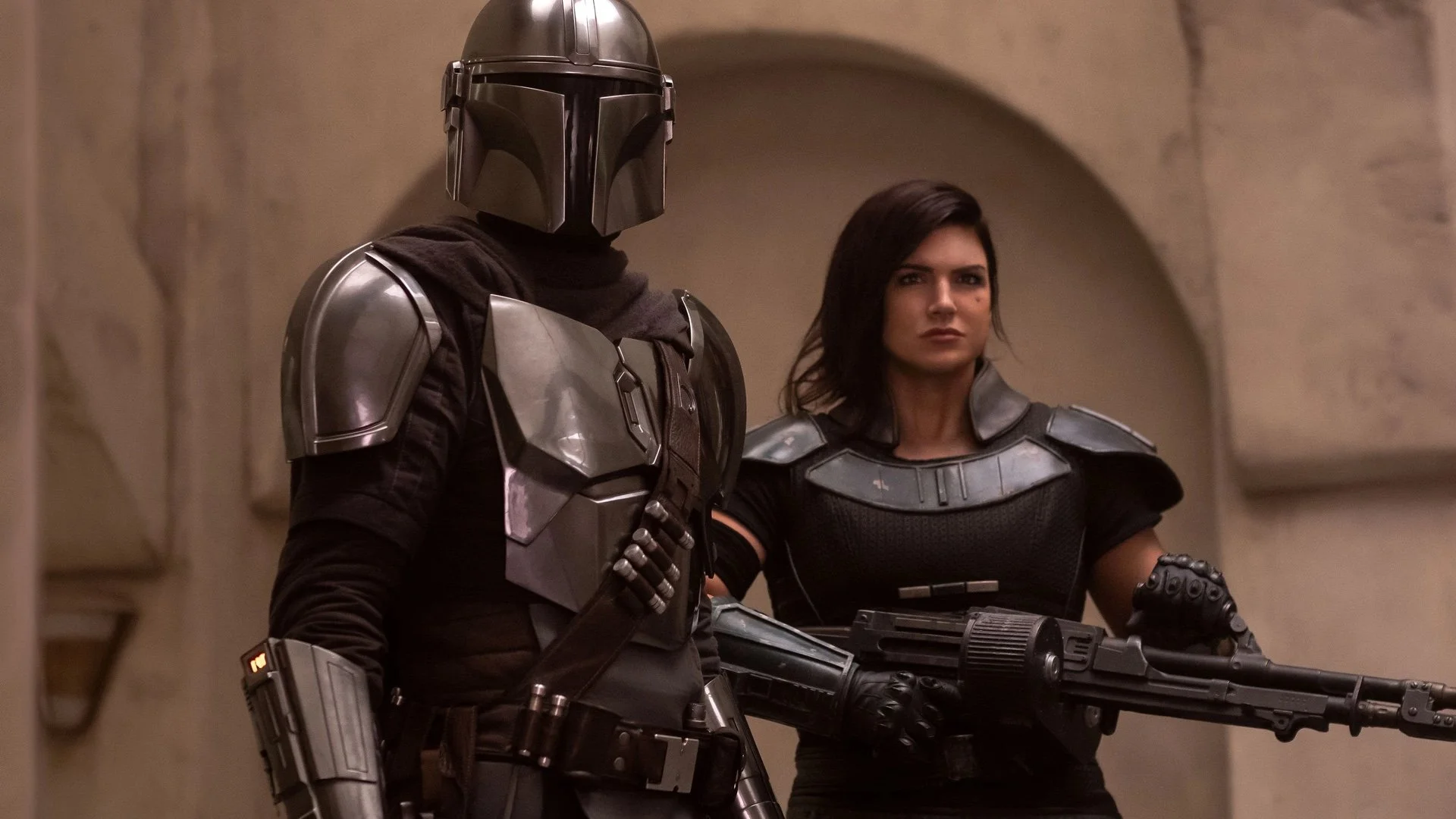
The future of Star Wars may be leaning heavily toward movie theaters, but Kathleen Kennedy doesn’t think Lucasfilm should abandon television. In fact, the former Lucasfilm president believes the franchise belongs on both screens because each format offers something different.
It’s an interesting argument at a time when the Star Wars TV machine has slowed considerably. The franchise has had a rough stretch over the past several years.
There have certainly been major successes, with Andor earning a passionate following and strong critical reception, but plenty of other projects have faced criticism, disappointing viewership, or both.
Of course, angry Star Wars fans aren’t exactly a Disney-era invention. George Lucas took plenty of heat during the prequel trilogy years, long before Disney purchased Lucasfilm. The sequel trilogy continued that divisive relationship with the fanbase, although those movies were still major theatrical events.
Star Wars: The Force Awakens, for example, held the record as the highest-grossing movie at the domestic box office until Spider-Man: Brand New Day recently surpassed it.
More recently, The Mandalorian and Grogu disappointed at the box office, showing that putting Star Wars back in theaters doesn’t automatically guarantee a massive hit.
Television has had its own problems. The Book of Boba Fett failed to generate the enthusiasm Disney likely wanted, while The Acolyte became one of the franchise’s most divisive projects. Obi-Wan Kenobi also faced plenty of criticism despite bringing back two of the most popular characters in Star Wars.
The result has been a noticeable slowdown. After a period when Lucasfilm was releasing multiple live-action Star Wars series, Ahsoka Season 2 is currently the only upcoming live-action Star Wars TV project on the schedule.
Kennedy still believes television should remain part of the franchise. During a recent interview with Bloomberg Live, Kennedy explained why Star Wars movies and TV shows should continue to coexist:
“I think absolutely you need to do both. I think what’s fantastic about streaming is it’s a different form of storytelling. It’s long-form storytelling, and interestingly enough, George Lucas started out with serialized storytelling.
“That’s what inspired him…So, I think absolutely something like Star Wars belongs on television, but it’s a different process than what you go through making a movie.”
She makes a good point about the history of Star Wars storytelling. Television isn’t some recent experiment for the franchise. Star Wars: The Clone Wars arrived in 2008 and became an important piece of the larger mythology, expanding characters, worlds, and conflicts that the movies simply didn’t have enough time to explore.
Streaming took that idea into live action, and when it worked, it worked extremely well. Series like Andor showed what filmmakers can accomplish when given several hours to develop a story instead of squeezing everything into a two-hour blockbuster.
The bigger issue may be whether Disney still believes that kind of investment makes financial sense. At this point it all comes down to money.
Some of these Star Wars series became extremely expensive to produce, and when the audience or reception didn’t match those costs, the model became harder to justify. That helps explain why Lucasfilm appears to be shifting more attention toward theatrical releases.
One of the biggest projects on the horizon is Star Wars: Starfighter, and Disney clearly has plenty invested in making the next wave of Star Wars movies work. There have also been reports about another installment in the Skywalker Saga potentially moving forward.
A stronger theatrical strategy makes sense, particularly after years of Star Wars movies getting stuck in development. Still, eliminating television entirely would remove a storytelling format that has produced some of the franchise’s most interesting material.
Star Wars works differently on television. Movies can deliver the giant spectacle and event experience, while a series has room to explore corners of the galaxy that might never justify a $200 million theatrical production.
The question now is whether Lucasfilm intends to keep both options open. Ahsoka Season 2 will keep live-action Star Wars television alive for the immediate future, but what comes after it remains unclear.
Star Wars Celebration next April could provide a better idea of Lucasfilm’s plans and potentially reveal whether more live-action series are being developed. Star Wars may need to rediscover its footing on television, but she doesn’t think the answer is abandoning TV altogether.