Kevin Feige Says Marvel’s MCU Plan Now Reaches 2042, and Fans Have Plenty to Say
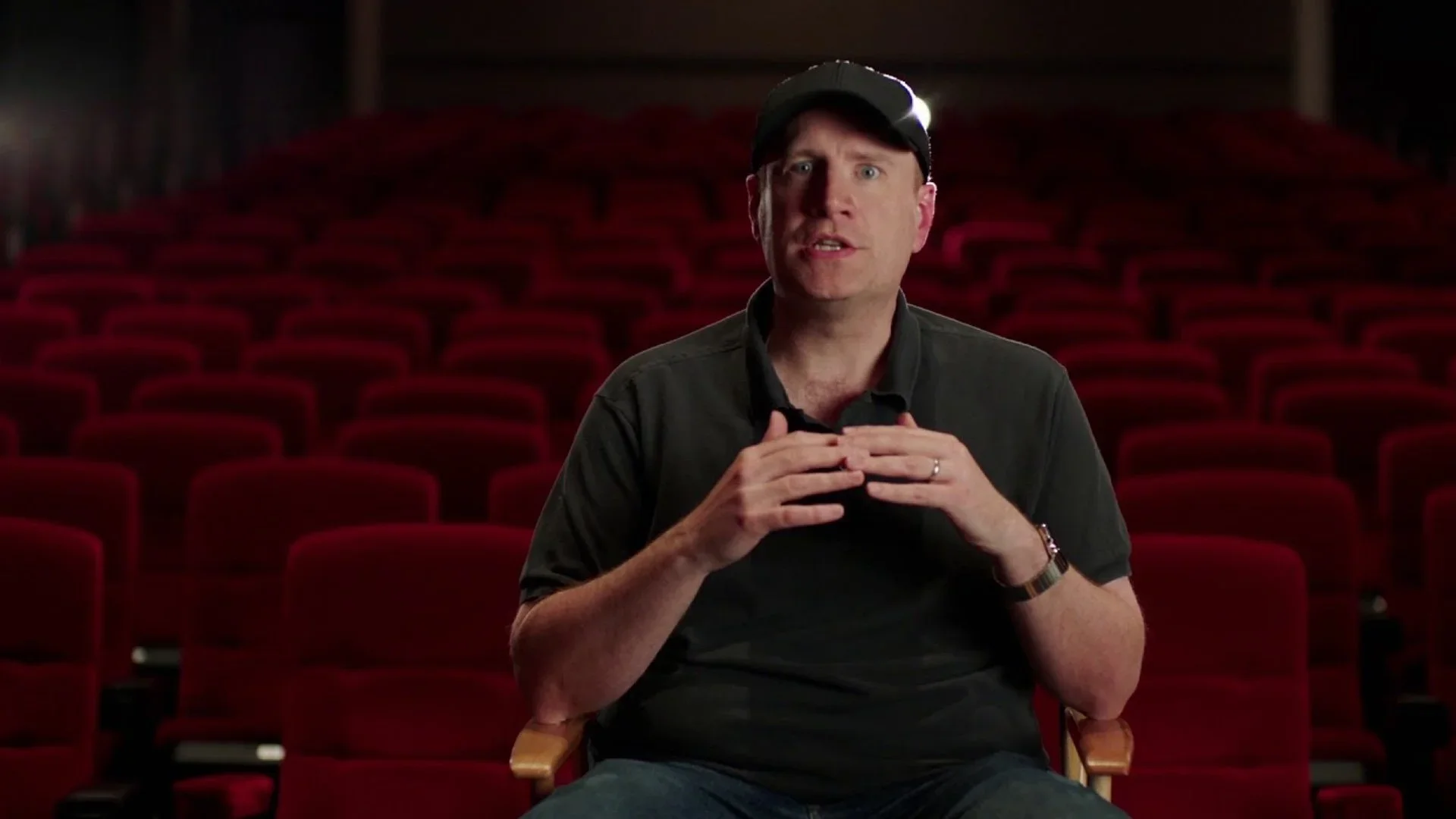
The Marvel Cinematic Universe has always been built on playing the long game, but Kevin Feige just revealed a timeline that stretches even farther than most fans probably expected.
While Marvel fans are counting down the days until Spider-Man: Brand New Day swings into theaters and picking apart every frame of the recently released Avengers: Doomsday trailer, Marvel Studios is already thinking far beyond the next phase.
The studio has spent nearly two decades planting seeds years before they pay off, and now it sounds like that strategy extends all the way to 2042.
According to a post from the Watching Hollywood account on Weibo that was later shared by DiscussingFilm on X, Feige revealed just how far Marvel's current roadmap reaches.
"We were just in a Marvel Studios meeting room, planning movies all the way up to 2042. Whether we can make it to 2042? Who knows? Will it be those movies? Who knows?"
Speaking of the next stage of the Avengers movies, Feige added that they are a "beginning" of a new era for the MCU, and it sounds like the X-Men will be at the heart of that.
It's an interesting comment because it shows Marvel has an incredibly long-term vision while also admitting that nothing is set in stone. Honestly, though, they just need to take one movie at a time and make sure they are great!
Release schedules shift, directors come and go, audience tastes change, and entire storylines can evolve based on what connects with fans.
Still, hearing that Marvel has ideas stretching another 16 years into the future sparked plenty of reactions online.
Some fans loved the idea of the MCU continuing long enough for today's younger viewers to experience future Avengers movies as adults, or even introduce them to their own kids. Others weren't nearly as enthusiastic.
One fan wrote: “How about we focus on making the next 2 years consistently good before worrying about 2042?” Another added: “Marvel planning through 2042 is wild because half the audience is still trying to remember what happened in Phase 4.”
A third fan pointed to what may be Marvel's biggest challenge moving forward: “Planning that far ahead shows confidence, but the real challenge is keeping each phase fresh and meaningful.”
They're fair points. Back in 2022, when Feige officially unveiled the slate for Phases 5 and 6, Marvel's plans reportedly extended through 2032. Four years later, that window has expanded by another decade.
Part of that likely comes down to Marvel changing its release strategy. After an uneven stretch during the Multiverse Saga, the studio has shifted toward producing fewer movies and Disney+ series each year in an effort to improve quality and give each project more room to breathe.
This year only two MCU films are hitting theaters, and next year the schedule gets even lighter with just one theatrical release. A slower production pace naturally pushes future stories farther down the calendar, making a 2042 roadmap easier to understand.
Even so, planning that far ahead raises an interesting question. The entire Infinity Saga unfolded across just 11 years. Marvel is now talking about a plan that stretches 16 years into the future. That's a huge window in an industry that can change almost overnight.
The superhero genre also isn't operating in the same environment it enjoyed throughout the 2010s. The last several years have seen signs of superhero fatigue, with both Marvel and DC delivering several films that struggled to meet expectations at the box office.
That doesn't mean audiences have abandoned superheroes. Quite the opposite. Big event films still generate enormous excitement. Spider-Man: Brand New Day is shaping up to be one of Marvel's biggest releases, and Avengers: Doomsday is already off to an impressive start after earning $16.5 million in ticket pre-sales.
But moviegoers have become much more selective. Familiar heroes and major crossover events still draw crowds, while lesser-known characters have a tougher road ahead.
Of course, Hollywood moves in cycles. Westerns faded before making comebacks. Horror constantly reinvents itself. Comic book movies could easily experience another surge if Marvel delivers crowd-pleasing hits like the upcoming X-Men reboot and Black Panther 3. If those projects connect with audiences, the MCU could find itself entering another exciting era.
Recapturing the magic of the Infinity Saga, however, is a much taller order. Those early years benefited from something audiences had never experienced before. Watching dozens of interconnected stories build toward massive crossover events felt fresh, and fans eagerly pieced together every clue along the way.
The Multiverse Saga hasn't landed with the same impact for many viewers, which puts even more pressure on whatever comes next. If Marvel really is building toward a Mutant Saga, fans will likely be hoping for a more focused, cohesive direction.
It's also worth remembering that Feige wasn't announcing a locked-in production schedule. Marvel has adjusted course before, even during its most successful years. Plenty of longtime fans still remember when an Inhumans movie was part of the plan before the studio changed direction.
Sixteen years is a long time. Leadership can change, audiences can change, and the entertainment landscape can change right along with them.
Whether Feige is still leading Marvel Studios in 2042 is anyone's guess, and whoever eventually takes over may have an entirely different vision for where the MCU goes next.
One thing does seem certain, though. Marvel isn't thinking about the finish line anytime soon. The studio fully intends to keep telling stories for decades to come. Whether audiences are still along for that ride in 2042 will depend on one thing more than any long-term roadmap: making the next movie worth showing up for.