Laurence Fishburne Opens Up About the Painful Reality Behind THE MATRIX
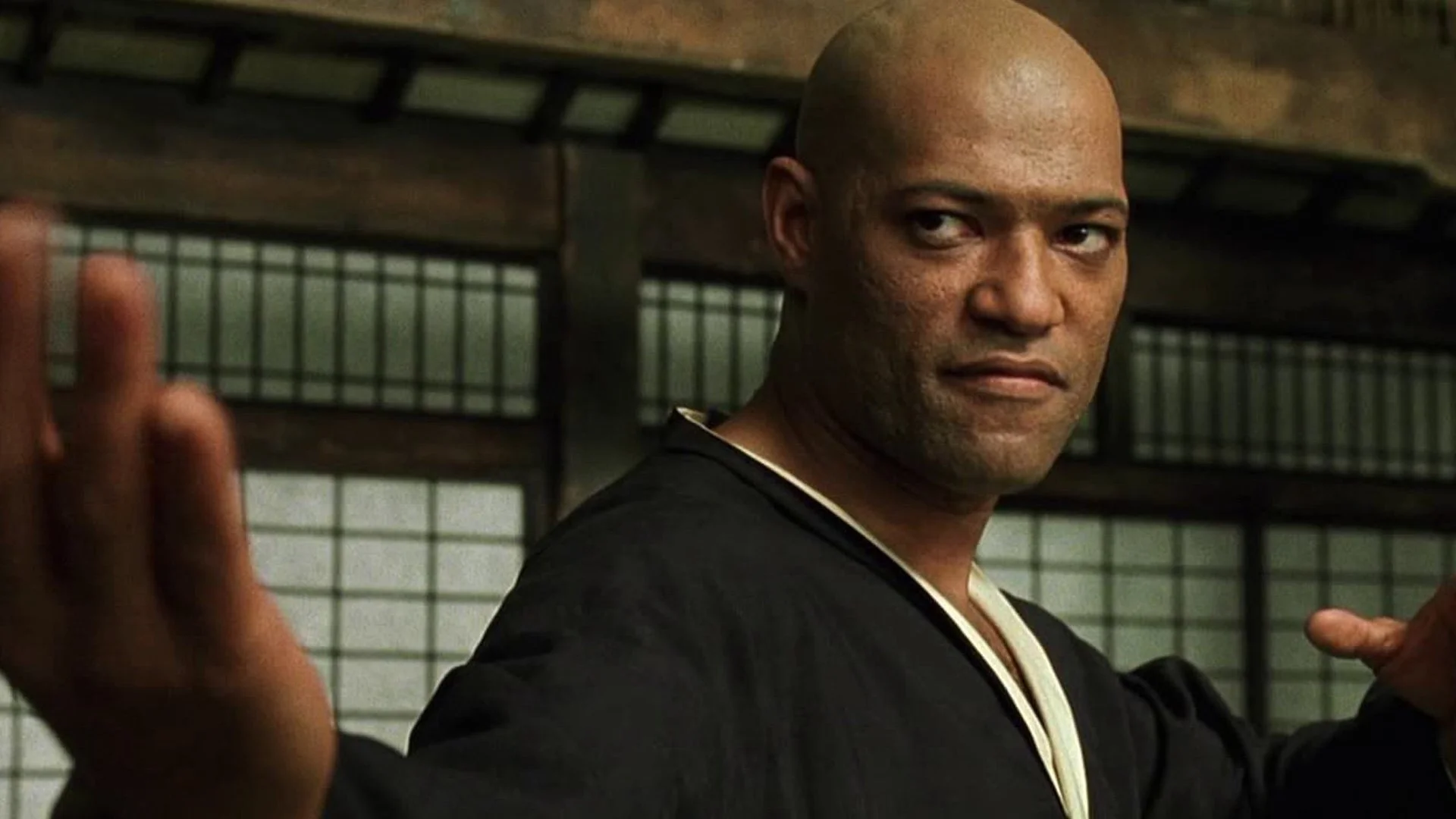
Laurence Fishburne has been part of some of the most influential films in pop culture, but when he thinks back to The Matrix, the memories aren’t all sleek black trench coats and perfectly choreographed bullet-time moments. Some of them just hurt.
In a recent conversation at the Marrakech Film Festival, Laurence Fishburne looked back at the physical toll that came with stepping into Morpheus’ iconic boots. Training for the film was a different level of intense and he didn’t hold back when describing it.
He said: “We were essentially the first Western actors to work in the Hong Kong style. And so [martial arts choreographer] Yuen Woo-ping was very concerned that we weren’t going to be able to [pull it off].
“So he trained us really hard, training us like professional athletes. And it was in the middle of that training I realized why they pay professional athletes so much money: Because professional athletes are always in pain. Not in pain sometimes, like when you go to the gym and then you’re sore for a day. They’re in pain all the time.”
The results speak for themselves, visible in every frame of The Matrix’s groundbreaking action. Fishburne still carries that training in his muscles decades later. “It’s all, I mean, it’s still in the body,” he laughs. “We each had two trainers, and they worked us really, really hard!”
Over an hour and a half, the actor mapped out his journey from what he calls “a wise-ass street urchin” with a world no bigger than a few Brooklyn blocks to a performer defined by unexpected choices in films like Apocalypse Now, King of New York, Boyz N the Hood, and The Matrix.
He explains that reinvention is the core of his craft. “I’m always looking for ways to surprise the audience. I’m always trying to change a little here, shift a little there, so it’s not familiar visually, not someone you instantly recognize or can predict. Instead, I want to create a character who surprises you, someone in whom you either see yourself or someone you know.”
That mindset shaped his performance as Jimmy Jump in Abel Ferrara’s King of New York. Fishburne anchored the character in a classic gunslinger template, “a classic ‘two-gun kid’ from American westerns,” he says. “That young, reckless guy with two guns, like the character Kevin Costner plays in Silverado.”
But he merged it with the energy of the New York scenes he grew up in, turning instinct and lived experience into something that felt new.
“Jimmy Jump, for me, is the first hip-hop gangster on film,” he continues. “It came from intuition, from being from New York, spending time in those neighborhoods, going to hip-hop shows, knowing graffiti writers and breakdancers. I was very much part of that culture.
“I even knew someone who called himself a hip-hop gangster, he wanted to be a rapper but also had another side business. And I thought, ‘Why haven’t I ever seen this type of character in movies?’”
His work hit people on a different emotional level when he played Furious Styles in John Singleton’s Boyz N the Hood. The impact became clear soon after the film premiered.
“I was living in Venice, California, right after the movie came out, when a young man approached me,” he recalls. “He had tears in his eyes and didn’t quite know how to express himself, except to say thank you for the movie. I responded gently and thanked him, but I was deeply moved by the raw emotion he was showing.”
It was Roger Guenveur Smith, a friend and co-star, who helped him understand the weight of that moment. “Roger turned to me and said, ‘You don’t understand what happened.’ I asked him what he meant, and he explained, ‘When you played Furious Styles, you essentially became the father to a fatherless generation of boys.’”
From punishing martial arts drills on The Matrix to characters that reshaped genres and touched audiences in deeply personal ways, Fishburne’s legacy is built on dedication, surprising choices, and an instinct for connection. And even if some memories ache a little, they helped shape performances that changed the landscape of film.
Source: Variety