Nicolas Cage Explains Why SPIDER-NOIR Is Best Experienced in Black and White
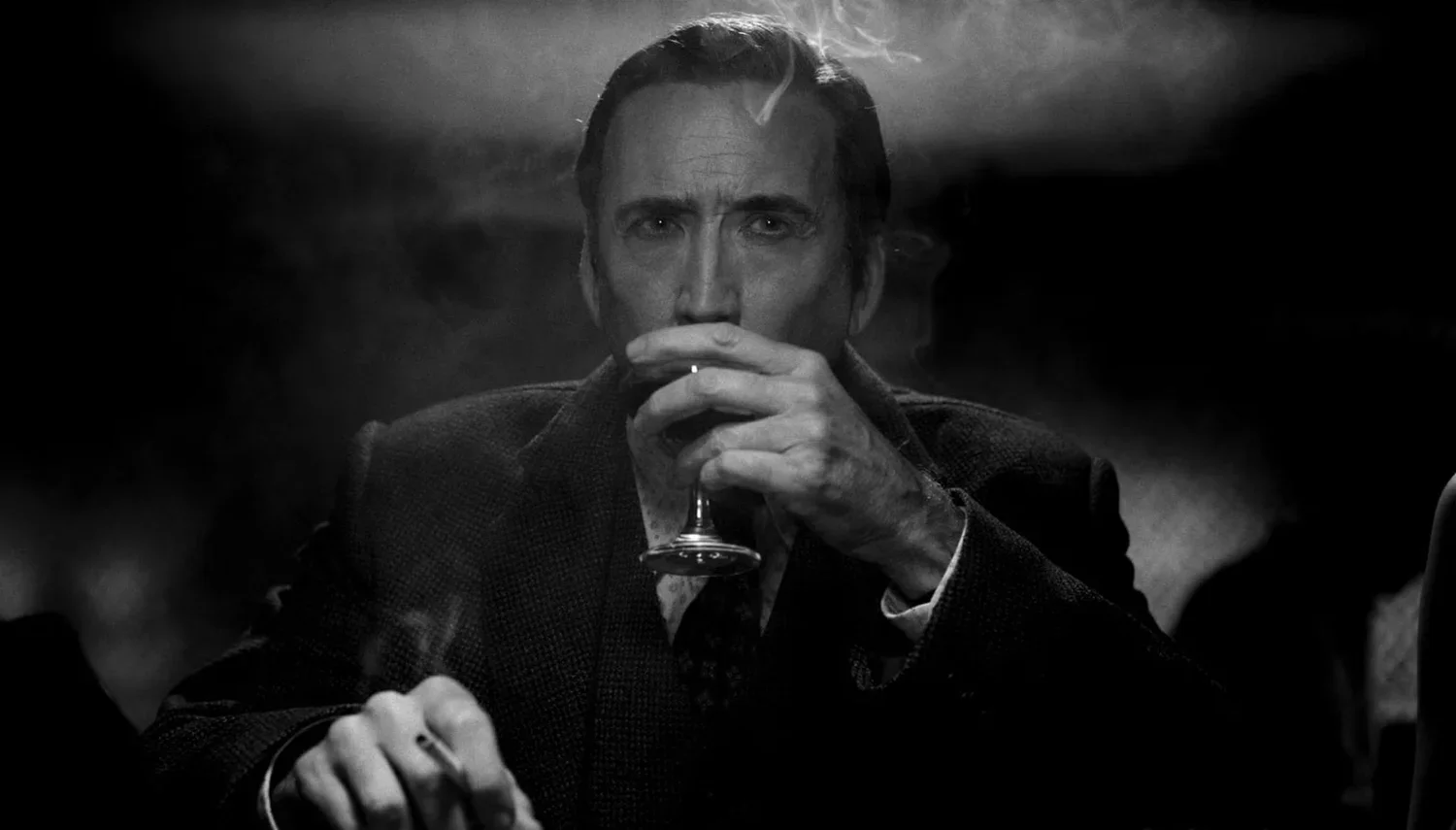
Nicolas Cage stepping into the trench coat and fedora of a 1930s-era Spider-Man in Spider-Noir, which is set to be released later this year, and the series will be released in both full color and black and white.
So which version does Cage recomend? In his first interview about the series with Esquire, Cage opened up about the creative push to make both versions available and why monochrome was always part of his vision.
“I understand why they presented it in both, and I suggested it in the beginning. I remember when Amazon was first thinking about doing it, they were nervous about black and white. And I said, ‘You don’t have to only do it in black and white. You could do it in color as well because this is for all ages.’
“For people that haven’t had a lot of experience with black and white, they can enjoy the color. And the color is beautiful. But the black and white is what I was drawn to.”
We’re talking about a hardboiled, pulp-inspired Spider-Man story set in the 1930s. Black and white doesn’t just feel stylish, it feels right.
The series will debut this spring on MGM+ before swinging over to Prime Video. Cage plays Ben Reilly, an older, more weathered webslinger carrying some baggage from his past. And according to Cage, the noir aesthetic hits differently depending on how you watch it.
“It matches my concept of how to portray a film noir,” he said. “But the truth is, they both work and they’re beautiful for different reasons. The color is super saturated and gorgeous.
“I think teenage viewers will appreciate the color, but I also want them to have the option. If they want to experience the concept in black and white, maybe that would instill some interest in them to look at earlier movies and enjoy that as an art form as well.”
That’s the fun part. This isn’t about forcing audiences into one artistic lane. It’s about offering a gateway. Younger viewers can jump in with vibrant, saturated visuals. Film fans can flip the switch and soak in deep shadows and high-contrast grit like they’re watching a lost detective thriller from Hollywood’s golden age.
Cage even pointed to a recent movie experiment that pulled off the same trick. Speaking about Godzilla Minus One, he said:
“When [2023’s] Godzilla Minus One came out in Japan, I saw it in color. I thought it was stunning,” Cage said. “But it was even more stunning when they reissued it in black and white. It looked like an old Godzilla movie. I thought that was really beautiful that I could experience it both ways.”
That re-release gave fans two distinct vibes from the same film. One version felt modern and epic. The other felt like it had been pulled straight from Toho’s monster movie archives. Cage clearly sees Spider-Noir working the same way.
This version of Spider-Man isn’t your friendly neighborhood teen cracking jokes in high school. This is a battle-scarred hero navigating corruption and crime in a city that looks like it’s permanently stuck at midnight. Watching that world in black and white feels like leaning all the way into the concept.
Still, having both options might be the smartest move. It keeps the show accessible while honoring the pulp roots that inspired it. Whether you choose color or shadow-drenched grayscale, Cage seems confident it’ll work.
But let’s be honest. If you’re watching a 1930s noir Spider-Man story led by Nicolas Cage and you don’t at least try the black and white version, what are we even doing here?