PULP FICTION Writer Says It Was “Impossible” to Get His Movies Made Until He Launched an AI Production Company
Pulp Fiction changed independent cinema forever, but one of its co-writers says that kind of momentum doesn’t make it any easier to get movies off the ground in today’s Hollywood.
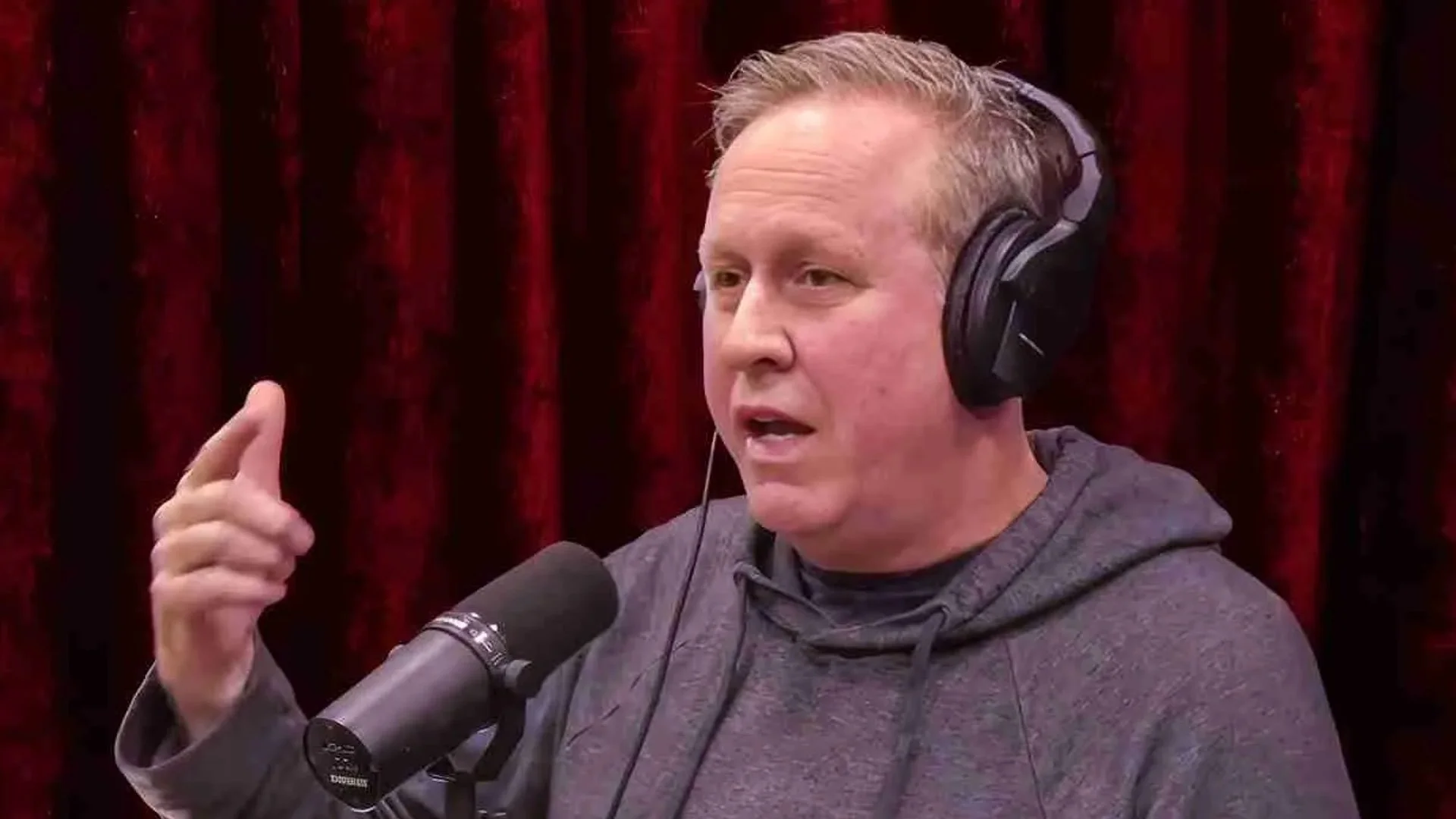
Roger Avary, who won an Oscar for co-writing Pulp Fiction, recently jumped on The Joe Rogan Experience and got real about the uphill battle of getting projects financed the traditional way. According to him, it’s been brutal.
“I go out there and try to get stuff made, and it’s almost impossible,” Avary said. “And then I built a technology company over the last year, basically making AI movies, and all of a sudden, boom, like that, money gets thrown at it.
“All of a sudden, just by attaching the word ‘AI’ and [the fact] that it’s a technology-based company, all of a sudden, investors came in, and we’re in production on three films now.”
That company is General Cinema Dynamics, an AI-focused production banner that’s already moving faster than many traditionally developed indie films ever do. Avary went on to say:
“It was so easy for me to get that going and so difficult for me to get a traditional movie going through the traditional route,” he added. “Just put AI in front of it and all of a sudden you’re in production on three features.”
The slate includes what Avary describes as “a family Christmas movie that’ll be in theaters this holiday season,” a “faith-based movie for next Easter” and a “big romantic war epic.” That’s a wide swing in tone and genre, and it’s happening under an AI-powered banner that didn’t even exist a year ago.
It says a lot about where investor confidence is heading. Traditional indie dramas struggle to find backers, but attach artificial intelligence to the pitch deck and suddenly checks start clearing.
AI filmmaking is quickly becoming one of the most talked-about shifts in the movie industry, and Avary is leaning straight into it.
Of course, not everyone is celebrating.
As some filmmakers experiment with AI tools and production pipelines, others see major red flags. That tension flared up when a user fed a two-line prompt into Seedance 2.0, an AI video generator owned by ByteDance, and produced a polished, hyper-realistic clip of Tom Cruise fighting Brad Pitt. The video spread like wildfire online, and it didn’t take long for the Motion Picture Association to respond.
In a statement targeting Seedance 2.0 and its parent company ByteDance, the MPA said the platform was engaging in “unauthorized use of U.S. copyrighted works on a massive scale.”
“By launching a service that operates without meaningful safeguards against infringement, ByteDance is disregarding well-established copyright law that protects the rights of creators and underpins millions of American jobs. ByteDance should immediately cease its infringing activity,” read the statement.
That’s the other side of the AI coin. On one hand, you’ve got creators like Avary who couldn’t get projects financed suddenly finding momentum. On the other, major industry groups warning that AI tools could erode copyright protections and reshape Hollywood in ways that are hard to reverse.
The movie business has always evolved with technology. Sound. Color. CGI. Streaming. Each shift changed how films get made and how audiences watch them. AI filmmaking is the next chapter, whether the industry likes it or not.
For Avary, it’s simple. The traditional system wasn’t working for him. AI opened doors. Now he’s got three movies in production.
That’s a wild turnaround for someone who says it was “impossible” just to get one made the old-fashioned way.