RETURN TO SILENT HILL Director Christophe Gans on Death Threats, Fan Fury, and Rebuilding a Horror Icon on $23 Million
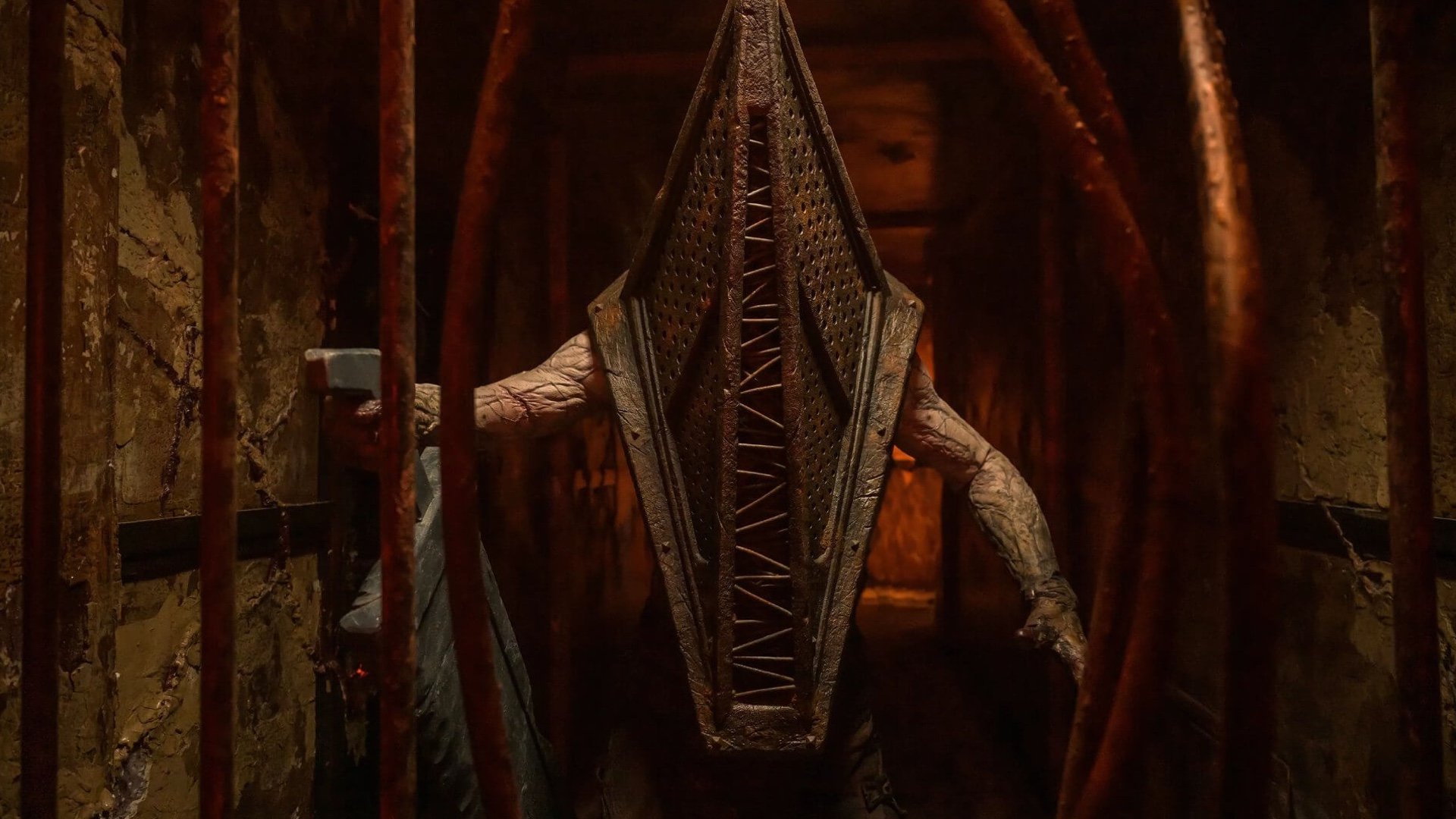
Almost twenty years ago, Christophe Gans stepped into the fog-covered world of Silent Hill and took a beating for it. When the 2006 film hit theaters, critics tore it apart. Fans of the video game were furious. And yet, time ended up being far kinder to the movie than its original reception suggested.
Gans recently reflected on that strange turnaround, explaining how the movie slowly found its audience as younger fans grew up with it.
“I was very pleased to see how the reputation of the movie has grown,” Gans told Variety. “I did an international press junket, and all the journalists were opening their interview by saying, ‘I saw the film when I was 13 or 14, and I loved it.’
“It’s great, because suddenly I’m facing the 2.0 generation of Silent Hill lovers. It’s a very good feeling, because we know that you have some great films that disappear from memory in six months. The test of time is the ultimate test, when suddenly you face people who are talking about your work with a lot of enthusiasm.”
That renewed appreciation helped pull Gans back into the franchise for Return to Silent Hill, which arrived in theaters via Cineverse and Iconic Events Releasing. The new film adapts Silent Hill 2, often considered the crown jewel of the series.
The story follows James, played by Jeremy Irvine, as he returns to the cursed town to reunite with Mary, portrayed by Hannah Emily Anderson, after a catastrophic event leaves the town overrun by nightmarish creatures.
For Gans, adapting that particular game came with serious pressure. The fanbase is famously intense, and he knows that firsthand.
“It was a big challenge to adapt correctly and respectfully a game which is considered a classic,” he says. “We know that the people who love video games are very passionate. I remember when I did the first film, I received plenty of death threats.
“People were saying, ‘If you mess up this one, we are going to find you.’ So I came onto the first film with great responsibility, and certainly even more with the second one. At the same time, it was important for me to imagine a movie that people who are not playing games can be interested in.”
That balancing act between hardcore fans and general audiences shaped every creative decision, especially since the movie was made on what Gans describes as a surprisingly lean budget.
“My producer Victor Hadida told me when we finished the film that it cost $23 million,” Gans says. “We had 50 days of shooting, it has 67 sets, so it’s quite huge. But I spent one year just designing everything, storyboarding everything, making tons of artwork. When I came on the pre-production, I was very well prepared.
“Sometimes, what was difficult was to make people who are not players understand why some elements were so important. Sometimes I had to fight because the fans would be pleased. When I’m doing a film, I’m obsessed by the detail, so that’s the fuel of my work as a director.”
Even with two films under his belt, Gans still sees Silent Hill as more than a video game adaptation. He views it as something closer to modern art, and he isn’t ready to leave that world behind.
“If I have the opportunity, we’ll come back to Silent Hill once more,” he says. “I’m not looking at Silent Hill only as a great video game. I’m looking at it as a piece of modern art. It has something really edgy and experimental.
“I will adapt another chapter because there are some that are extremely good, something very different from the first film, and now Return to Silent Hill. I like this world, and I can see that plenty of people are thinking I’m doing a pretty good job.”
Unfortunately, that optimism hasn’t been shared by many critics or longtime fans this time around. Return to Silent Hill has landed with a thud, currently sitting at a rough 16% on Rotten Tomatoes. The reaction has been harsh across the board, with complaints aimed at everything from the storytelling to its handling of the beloved source material.
It’s a brutal outcome for a filmmaker who clearly poured years of preparation and obsession into the project. Whether the film eventually finds its own second-life appreciation like the original remains to be seen.
If history has taught Gans anything, though, it’s that the fog sometimes clears much later than expected.