Rian Johnson Pushes Back Against Hollywood's AI Witch Hunt While Defending the Human Side of Filmmaking
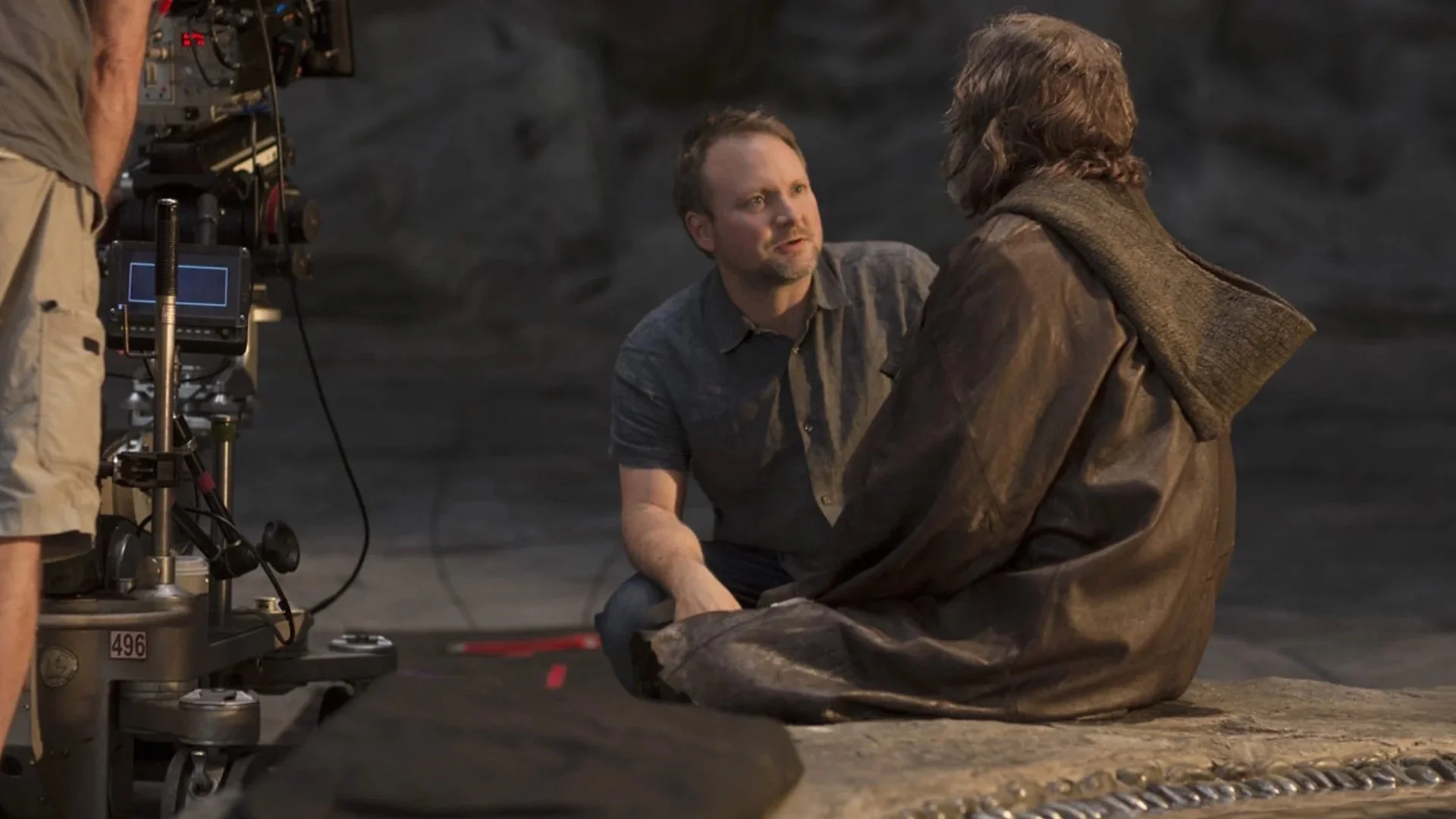
Rian Johnson isn't suddenly jumping on the AI bandwagon, but he thinks Hollywood needs to get smarter about how it handles the technology.
The director behind Knives Out, Looper, and Star Wars: The Last Jedi has been an outspoken critic of artificial intelligence, but he's also getting tired of watching people attack filmmakers simply for using tools that happen to involve AI.
Speaking with Variety at the Marrakech International Film Festival, Johnson explained why treating every form of artificial intelligence like it's the enemy isn't doing anyone any favors.
“What Kathy Kennedy is doing [her initiative to establish guidelines for using AI in filmmaking] is really smart. Rather than just demonizing the word AI as this monolith, it’s kind of saying, ‘Okay, what are we actually talking about here?’”
He's referring to an initiative led by former Lucasfilm president Kathleen Kennedy and American Film Institute dean Susan Ruskin, who have been bringing Hollywood filmmakers, studio executives, and Silicon Valley leaders together since 2023 to discuss how AI should be used in filmmaking.
Johnson believes there's an important difference between using AI to replace human creativity and using it as a technical tool to help filmmakers do their jobs.
“Because the reality is there are things like effects tools and de-grading tools, for example. When something is incredibly technical and is technically using a form of generative AI, is that off limits? Is that something that we can’t use tool-wise?
“We get to the point where people are yelling at Martin Scorsese online for using some version. I’m just like, ‘What are we doing?’ I think we have to watch out against becoming too too village square about it.”
That Scorsese situation came after the legendary filmmaker endorsed an AI-powered storyboarding tool and faced criticism online. Johnson clearly thinks the outrage has gotten out of hand.
However, that doesn't mean he's buying what Silicon Valley is selling about AI making the creative process easier. In fact, he has a pretty great argument for why removing the difficult parts of life and work could actually hurt creativity.
“It’s easy to start sounding stodgy and moralistic when you start getting up on an anti-AI soapbox. But to me, the whole process is about working with people, and I think the notion of art getting better by taking away the friction involved in making art just seems completely nonsensical.
“Even the notion of this idiotic thing that’s being pitched of, ‘Well, AI will take away the drudge work of regular life, like answering emails or whatever, so that you can focus on doing what you quote-unquote want to do.’
“I think all the time about how Agatha Christie came up with her plots while she was doing the dishes. The friction of life is not an obstacle to making art, it’s the well we draw from in terms of making art, and that includes all the little things we have to do during the day that we don’t want to do.”
It's a refreshing argument in an industry where tech companies keep promising to eliminate every inconvenience imaginable. Johnson's point is that those everyday experiences, including the annoying ones, are part of what makes storytelling human.
Interestingly, Johnson is also producing 2034, an upcoming Netflix AI thriller from Joseph Gordon-Levitt, whose understanding of the technology helped bring him aboard.
“First of all, it’s just a great script. It’s a great movie. Also because Joe and his wife Natasha are very steeped in that world, and they’re incredibly knowledgeable about it and have a really definite, unique perspective on it.
“So for me, I have a strong reaction to the things that I read or the things that I watch, but it’s not like I’m an AI expert. For me to be able to go through this process with them, who have been in the rooms and had the conversations and have a very knowledgeable perspective on it, that was a big value of it for me. And it’s just a hell of a movie.”
Johnson also appreciates that the film approaches artificial intelligence through actual human experiences rather than turning the story into a lecture.
“Joe’s film has a very strong perspective. I think what’s important, though, is that the film is presenting or wrestling with that perspective in a very human way. And I think that’s where you get into trouble about something feeling didactic or preachy.
“Because any strong perspective, once you throw it into the chaos of actually being held by humans and out in the real world, becomes challenged and messy and complicated and emotional.
“I think as long as you have a strong perspective, whether it’s politically or on a certain subject, is not a bad thing. And that’s something I think Joe’s movie strikes a really great balance of.
“It’s very human, it’s very emotional and complex in all the right ways. It’s not just like a TED Talk about AI, and because of that, it can have a really strong perspective and not feel phony.”
As for whether his production company T Street has established official rules about AI, Johnson says they haven't needed to.
“No, we haven’t really come up against it just because it hasn’t been something that any of the filmmakers we’ve worked with has been interested in doing. So far we haven’t really had to deal with it.”
Hollywood's AI debate isn't going away, especially as studios continue exploring ways to integrate the technology into production. Johnson isn't arguing that filmmakers should embrace everything AI has to offer. He's arguing that people should understand what they're criticizing before grabbing their pitchforks.
There's a big difference between a computer helping with visual effects and a studio trying to replace writers, actors, and artists. Johnson wants Hollywood to recognize that difference without losing sight of what makes movies worth making in the first place.
What do you think? Does Johnson have the right approach to AI in Hollywood, or should filmmakers draw a harder line against the technology?