Robert Picardo Reminds Fans What STAR TREK Has Always Been as The Franchise Turns 60
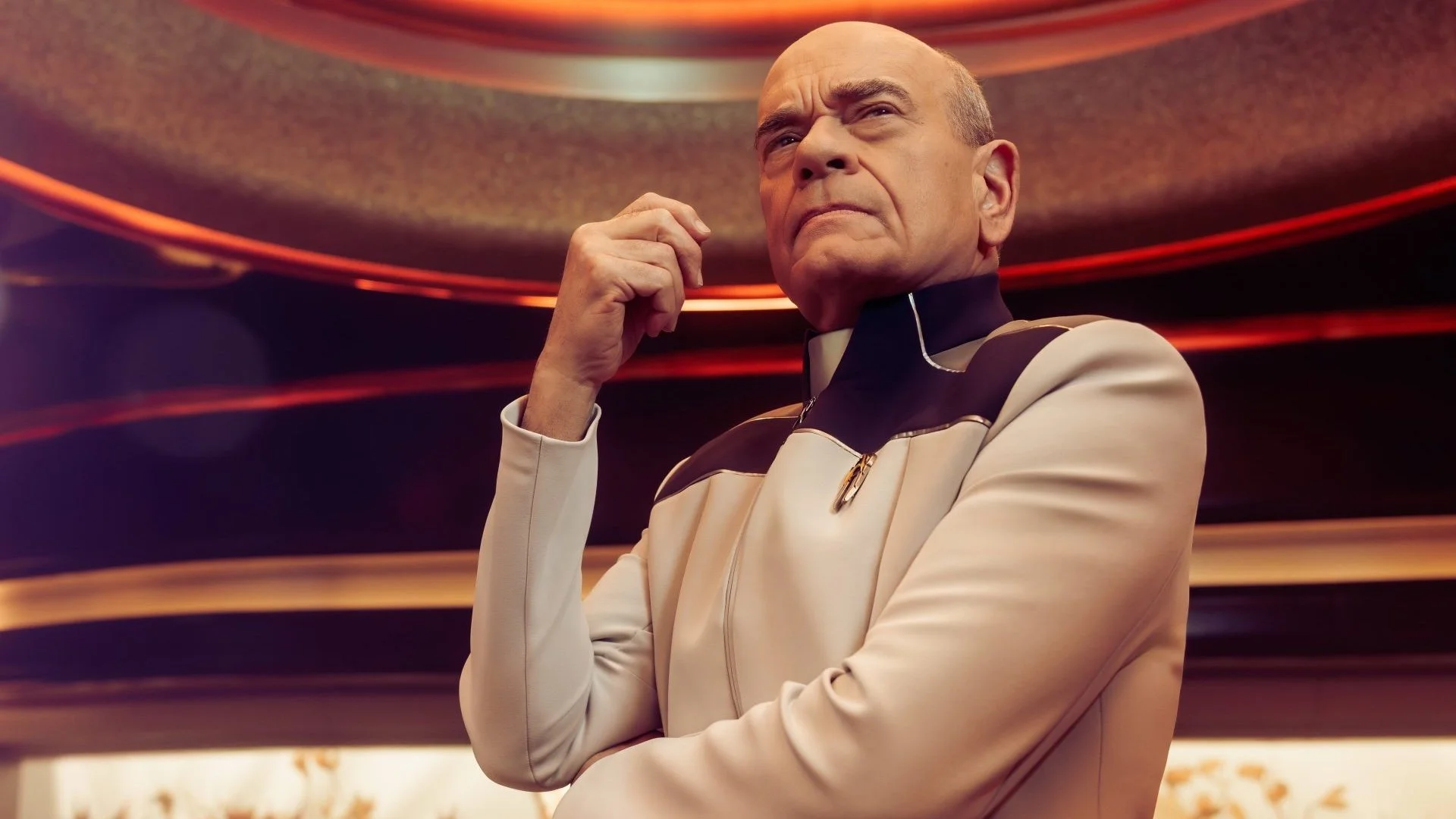
Robert Picardo is once again stepping into the larger Star Trek conversation, and this time he’s doing it with a message that cuts straight to the heart of the franchise.
With Star Trek: Starfleet Academy approaching its debut and the franchise celebrating its 60th anniversary, Picardo took a moment to reflect on what Star Trek has always been about and why the current backlash from certain corners of the fandom misses the point.
As fans gear up for the two-episode premiere of Starfleet Academy on Thursday, January 15 on Paramount+, reactions to the series have been loud and divided since the first trailer dropped.
Some critics have been quick to label the new show and modern Trek as “woke,” framing inclusivity as something new or forced. Picardo, who famously played the EMH Doctor on Star Trek: Voyager, addressed that sentiment head-on in a post shared on X.
Reflecting on the milestone year, Picardo wrote:
“@Startrek turns 60 this year and I am proud to have been part of it for more half of its lifetime. Many pontificate over what Star Trek is and should be and which new iterations of Star Trek the late Gene Roddenberry would "like" and which would make him 'turn over in his grave.'”
That comment didn’t come out of nowhere. It echoes a remark made by William Shatner during a 2022 San Diego Comic-Con appearance, where he suggested creator Gene Roddenberry would disapprove of modern Star Trek.
While Shatner later clarified in 2024 that his comment was specifically about romantic relationships between crew members, the phrase has since been adopted by critics who argue that the franchise has drifted too far toward progressive themes.
Picardo didn’t sidestep that debate. Instead, he pointed out that Star Trek was built on those ideas from the beginning. Addressing the way the term “woke” is often weaponized online, he continued:
“Long before the term existed, Star Trek's heart was "woke" & even though that word has been hijacked & made a cudgel to insult, to ridicule & - at the toxic extremes of social media - to justify prejudice & racism, Star Trek's heart is strong & still beating for those listening.”
From interracial relationships to questioning authority and exploring social justice, Star Trek has always pushed boundaries, often well ahead of its time. Every new era of the franchise has sparked debate, and every generation seems to rediscover the same arguments about what Star Trek should or shouldn’t be.
Picardo also brought the discussion back to Roddenberry himself, offering a quote that makes the creator’s intentions clear:
“People will still debate what Star Trek 'should' be but, if they do some research, they'll discover what the man who created it meant to convey:" I believe that humanity will reach maturity and wisdom on the day it learns to value diversity in life and in ideas. -- G Roddenberry”
That philosophy sits at the core of Star Trek: Starfleet Academy. Set in the 32nd Century following “The Burn,” which crippled warp travel for more than a century, the series follows a new generation of cadets as the Federation rebuilds and redefines itself.
The show expands on the future first explored in later seasons of Discovery and uses that setting to reflect modern issues faced by younger adults today.
Ironically, the loudest critics of Starfleet Academy may prove the show’s purpose. The series centers on characters learning to trust one another, confront long-held biases, and rebuild unity after decades of division. Those themes aren’t new to Star Trek. They’re foundational.
Picardo’s return as the EMH is one of the most exciting elements of the new series, and his perspective carries weight because he’s lived inside this universe for decades.