Shawn Levy Says AI Will Be ‘Essential’ to Filmmaking But He Hasn't Used It in a "Meaningful Way" Yet
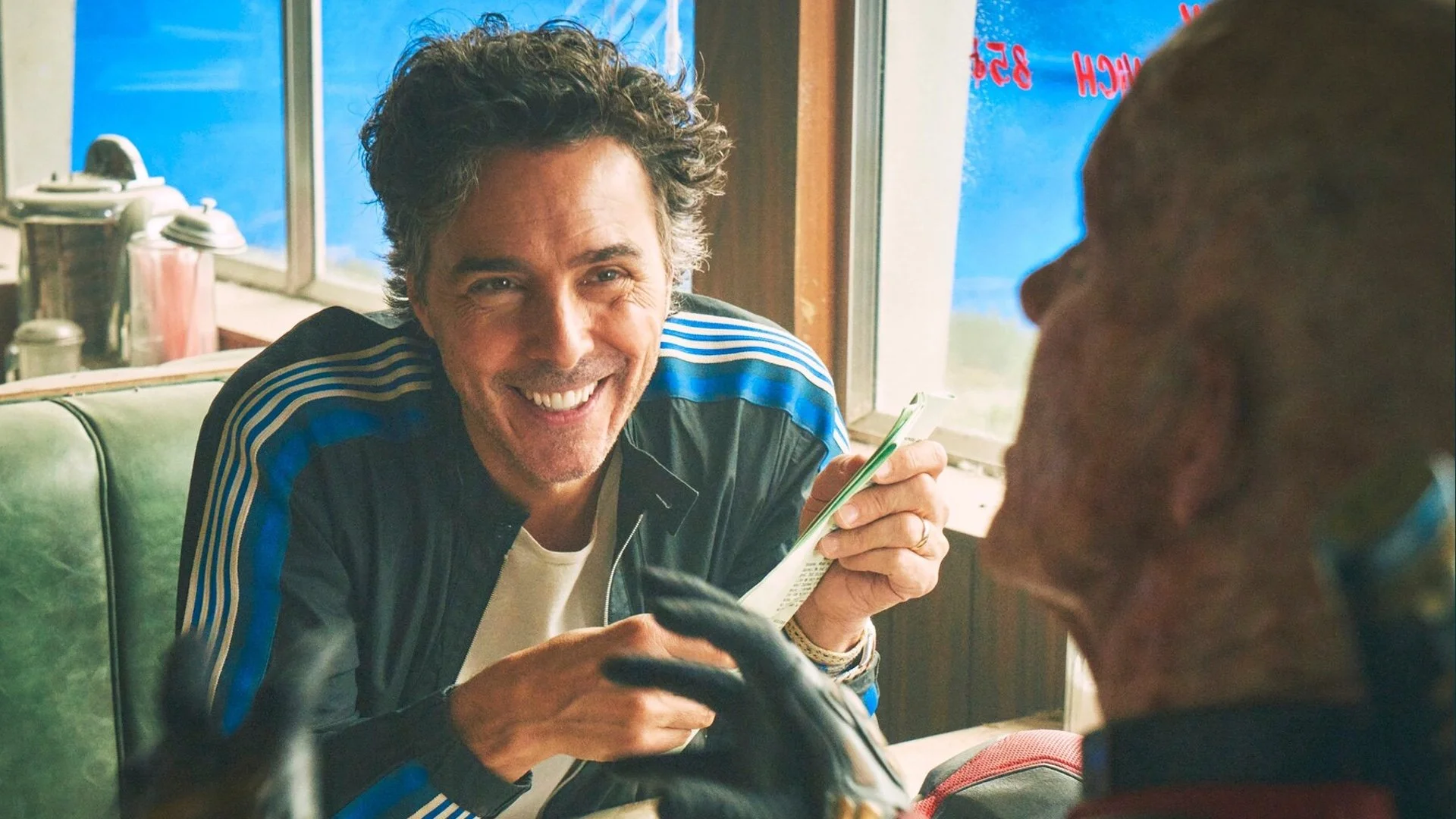
Director Shawn Levy is deep in the creative trenches right now, putting the finishing touches on Star Wars: Starfighter, and while the industry keeps debating artificial intelligence, he’s taking a measured, human-first approach.
The filmmaker, whose resume includes projects like Stranger Things, Deadpool & Wolverine, All the Light We Cannot See, and The Adam Project, is currently locked into post-production on his next big sci-fi adventure.
For now, Levy is exactly where you’d expect a director at this stage to be, obsessing over the cut. He said: “I’m in the beautiful sanctity of the edit room,” Levy said at the Breakthrough Prize Ceremony.
“We don’t come out until next year, and so it’s a rare movie where I don’t have a release date looming. So I’m in the dark quiet of the edit room finding the best possible shape for the film.”
That “shape” isn’t being sculpted with AI tools at the moment. At least not yet. The filmmaker added: “To date, I’ve not incorporated AI in any meaningful way in any phase of my storytelling process, but I have no doubt that in the course of my career we will see its integration.”
That doesn’t mean he’s dismissing the tech. Far from it. Levy sounds like someone who sees the writing on the wall but wants to make sure the soul of filmmaking doesn’t get lost in the process. He added:
“To the point that many smarter people than I have made, it’s about integrating these technologies responsibly and with still the primacy of the creative voice and not a potential replacement for that voice because I think that what you get from creative voice and vision is singular and irreplicable, but if we can use these emerging AI capacities to support storytelling in still a kind of creative and human first workflow then I think it’s something to embrace, not fear.”
It’s a grounded take in a conversation that often swings between hype and panic. Levy isn’t rushing to adopt AI, but he isn’t pretending it’s going away either.
“I spend a part of everyday trying to increase my fluency around the regulatory options surrounding [AI],” he added. “I think it’s going to be essential, but I think to hide our heads in the sand and pretend that it’s not going to be not just an emergent but an essential part of our lives, not just filmmaking lives, [but] lives lives, I think that would be naive and foolish.”
That perspective lines up with what Sam Altman, CEO of OpenAI, shared at the same event. While concerns about job loss and intellectual property continue to swirl, Altman believes audiences will ultimately double down on valuing human creativity.
“I think people really care about the human beings behind the stories and the art and the creative work that matters so much, so my instinct is it’s going to go the other way and people will care more about humans and more about human creators in the future, not less,” he said.
For now, Levy seems content trusting instinct, experience, and that creative spark that’s powered his career so far. AI might be part of the future of filmmaking, but it isn’t steering the ship just yet.