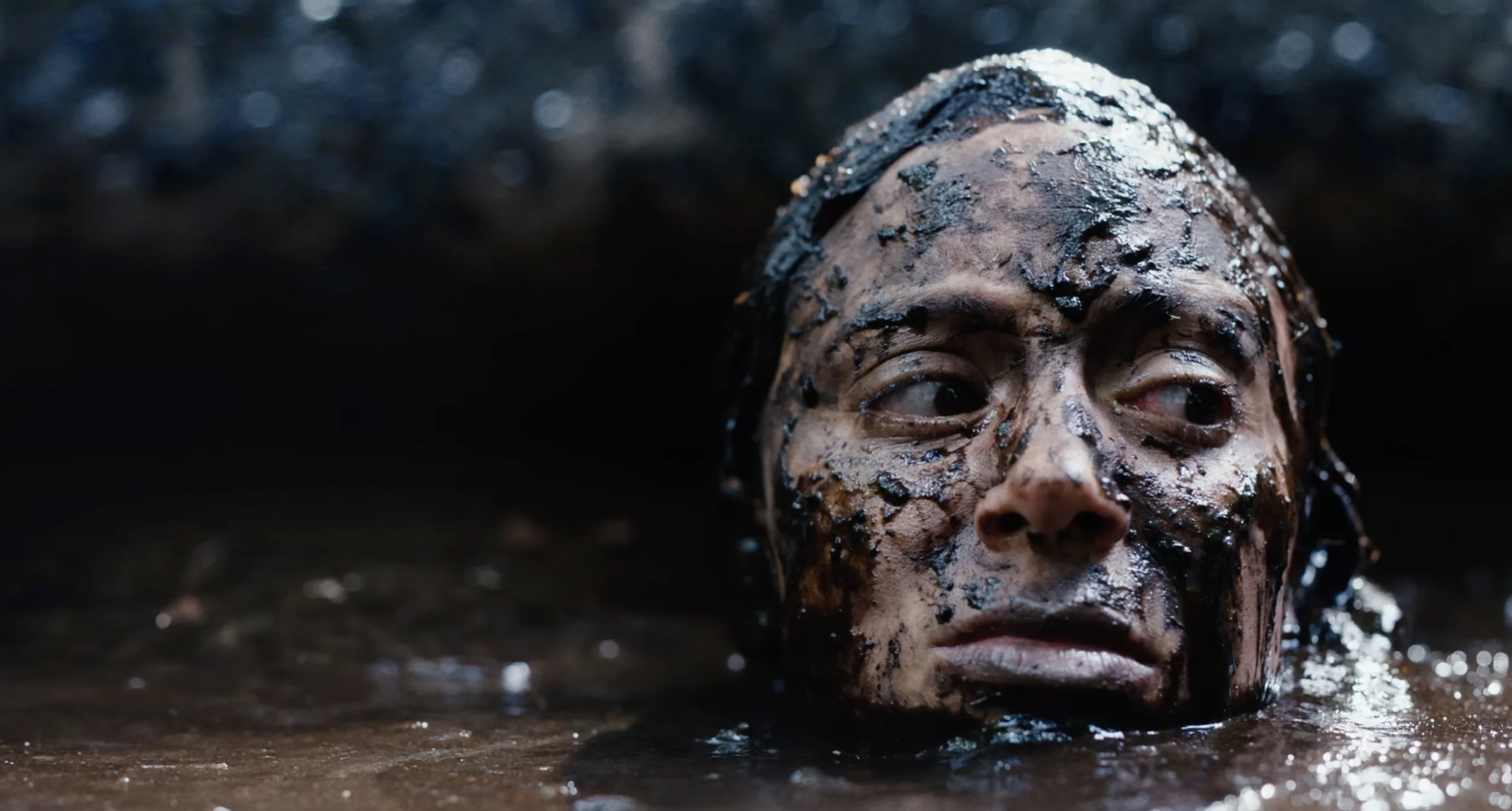
THE ACOLYTE Showrunner Reveals the Original Title and Why the Divisive STAR WARS Series Worked

When The Acolyte hit Disney+ in 2024, it instantly became one of the most talked about Star Wars projects in years. Some fans loved how far it pushed the mythology. Others pushed back hard. Add in review bombing before release and ugly online harassment aimed at members of the cast, and the show quickly became a lightning rod.
Despite all of that, series creator Leslye Headland doesn’t see the show as a failure. In fact, she believes it accomplished exactly what it set out to do.
With the release of The Art of The Acolyte, Headland has been opening up about the creative choices behind the series, including a surprising original title and some big mythology swings that were always meant to challenge expectations.
Before it was ever called The Acolyte, the show carried a different name. The original title was The Lost Sister, which fits exactly where the story started emotionally before expanding into something much larger. While the series didn’t get the chance to continue into a second season, Headland still considers the experiment a win.
“When we set out to make The Acolyte, I hoped to create a new expression of Star Wars, inventing something to expand on the storytelling I have loved since I was a child. And since it premiered in 2024, the fans of the series have affirmed this: We succeeded.”
That confidence comes even as the show’s cancellation leaves major storylines unresolved, especially those tied to the jaw dropping appearance of Darth Plagueis. His arrival late in the season raised huge questions about where the series was heading, questions that now won’t be answered on screen.
According to the book, the timing of Plagueis was very intentional. Headland wanted the threat to loom rather than dominate too early.
“I had always wanted the end of the season to introduce Plagueis,” she explained. “Having him come in in the middle felt like it was going to be too loaded. So we decided to establish the era, the main characters, and the storyline, and then put Plagueis in as the larger threat.”
His design and reveal were also carefully planned, pulling inspiration from Expanded Universe material and past Star Wars depictions of the Muuns.
“Before we even designed anything, I knew I wanted to do what they did with Gollum in The Fellowship of the Ring, where you get a sense of this character, the size of the eyes and his colouring, but I didn’t want to do something in full-on daylight.
“When you see his hand move, with your point of view being the main character's, it feels like you know about the threat before the main characters do.”
The book also clears up long running speculation around Qimir, played by Manny Jacinto. His masked figure, known as The Stranger, is officially described as “a secret Sith master,” which puts a firm stamp on his place in the dark side hierarchy.
That confirmation also quietly closes the door on earlier plans that would have tied him to the origins of the Knights of Ren.
Another interesting reveal involves a slightly different ending that was considered for the season, one that leaned harder into Vernestra’s political choices before the brief appearance by Yoda.
“There was a moment where I think you understood Vernestra’s choice to betray Sol,” Headland said. “As she was leaving [the Galactic Senate Building], she walked out and looked up as Senator Rayencourt said, ‘Welcome to the world of politics.’”
“But as we were cutting things together, it did seem a little odd to end Vernestra’s story, but then come back to her talking to Yoda.”
With Season 2 officially off the table and Lucasfilm stepping away from the High Republic era in live action, it looks like many of these characters may never get full closure.
A comic continuation would be a welcome surprise for fans of the show, but for now, the story stands as a one season experiment that dared to play in uncomfortable, morally gray corners of Star Wars history.
Love it or hate it, The Acolyte tried something different, and according to its creator, that was always the point.