The Hidebehind and the Fear of Invisible Monsters
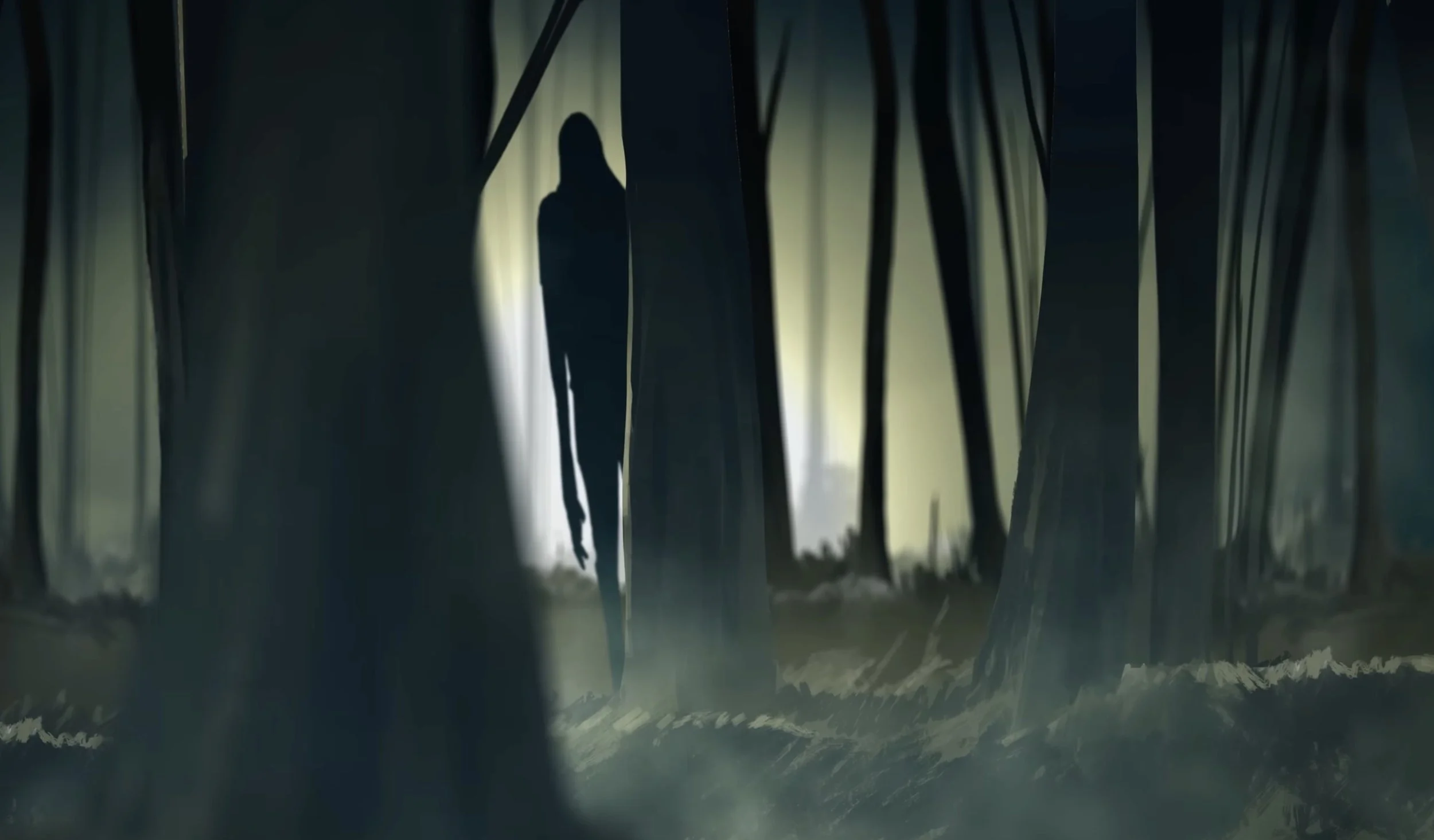
There’s something uniquely unsettling about a monster that refuses to show itself. Long before horror movies mastered that trick, American folklore was already scaring the crap oout of people.
A new video from Monstrum digs into the 19th-century lumberjack legend of the Hidebehind and connects it to a much larger pattern found in cultures around the world. It’s a chilling reminder that the scariest threats are often the ones just outside our field of vision.
Deep in the forests of 19th-century America, lumberjacks passed down warnings about a creature that could never quite be spotted. The Hidebehind didn’t stalk in the open or roar from the darkness. It stayed perfectly hidden, always positioned behind a tree, a post, or anything else you might glance away from for even a second.
If you turned back too late, you were gone. It wasn’t just a spooky campfire story. It was an explanation for missing workers, sudden deaths, and the constant anxiety of surviving in an unforgiving wilderness.
“You never see it—until it’s too late. The 19th-century lumberjack legend of the Hidebehind and other shadowy beings across cultures play on humanity’s fear of unseen monsters. Why are invisible threats so terrifying, and what do they reveal about the human mind?”
The video widens its focus beyond American forests, showing how this idea pops up everywhere humans have faced danger and isolation. From the Pacific Northwest logging camps to Inuit stories of shadowy figures and Hawaii’s ominous Night Marchers, unseen beings become stand-ins for real-world risks.
These legends helped people make sense of environments where one mistake could be fatal. They also reinforced survival instincts, encouraging people to stay together and remain alert when the world around them felt hostile.
What really makes these stories stick is how they exploit the way our brains work. As Dr. Emily Zarka explains in the episode, humans are wired to fear threats we can’t fully perceive. When information is missing, the mind fills in the gaps with the worst possible outcomes.
That psychological reflex hasn’t changed much over time, which is why invisible or barely seen monsters still hit so hard today.
Modern horror leans heavily on that same fear. Films like Jaws, Alien, and The Blair Witch Project prove that suggestion can be far more effective than spectacle. The longer the threat stays hidden, the more power it has over the audience. It’s the Hidebehind logic at work, just updated for the screen.
This episode of Monstrum does a great job showing that invisible monsters aren’t just relics of old folklore. They’re reflections of a shared human fear that stretches across centuries and continents. Whether it’s a shadow behind a tree or something lurking just off-camera, what we can’t see still gets under our skin in the best and worst ways.