The Industry Is Freaking Out About Netflix Buying Warner Bros. and for Good Reason
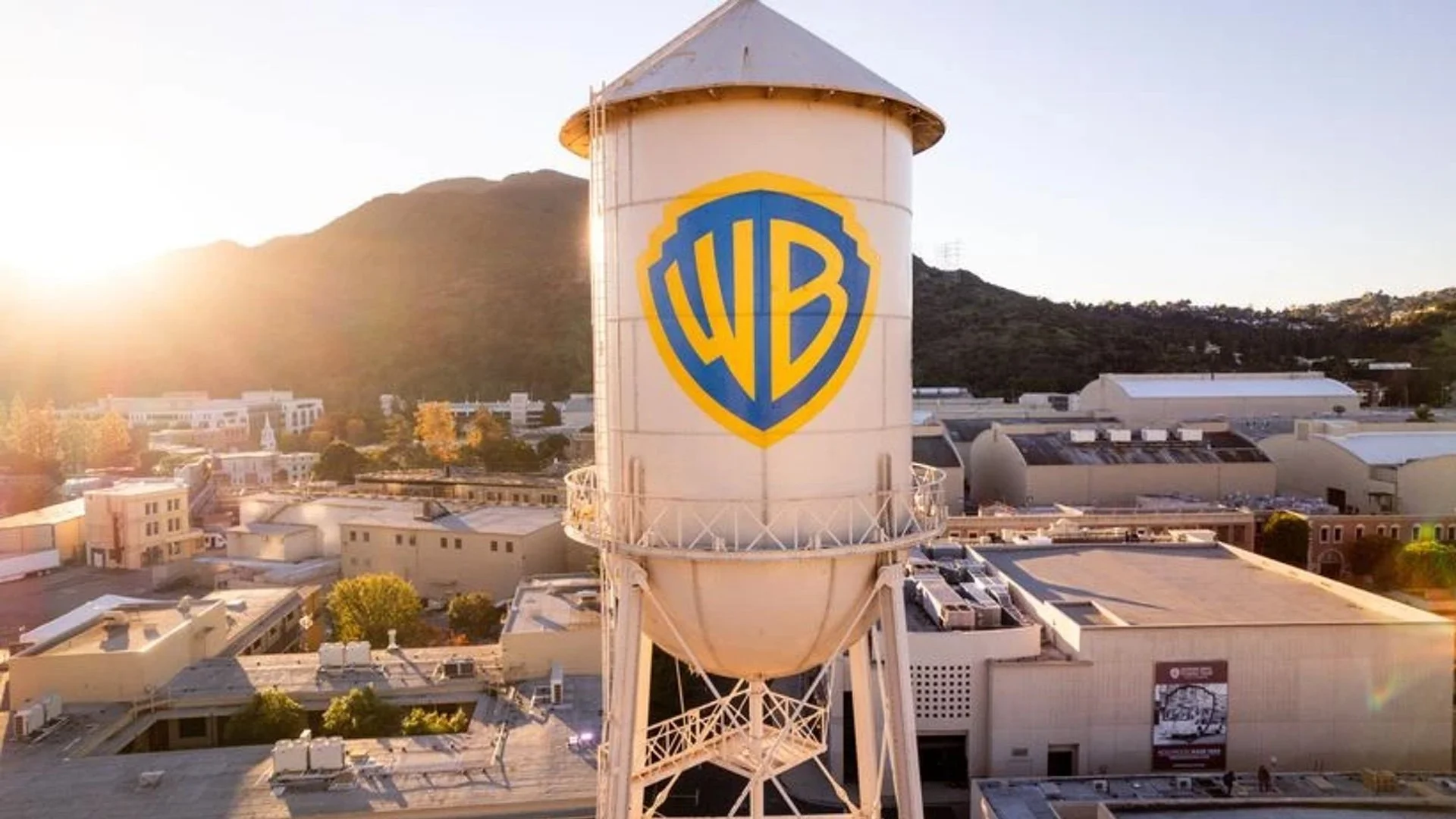
Last week’s revelation that Netflix is trying to scoop up Warner Bros. Discovery for $83 million hit the entertainment world like a punch to the gut. Not long after, the general mood online was very clear. People think this is going to be the absolute worst.
One of Hollywood’s oldest studios shifting hands to a streamer sent waves of frustration across social media and throughout the industry. Warner Bros. is home to DC, Cartoon Network, HBO, TCM and a huge chunk of entertainment history so the idea of it being absorbed into another corporate machine has fans, creators, and the industry sounding alarms.
Other companies in the mix included Paramount, Apple and Universal, but Netflix has been loudly positioning itself as the suitor who promises to keep Warner Bros. movies in theaters. How long they would stay there is already a point of debate.
While the world waits to see whether the deal will actually happen the reactions coming from guilds politicians and creatives have been anything but supportive.
The Writers Guild of America was one of the loudest voices responding to the news and they did not mince words. The guild said Netflix buying Warner Bros. “is what antitrust laws were designed to prevent. The outcome would eliminate jobs, push down wages, worsen conditions for all entertainment workers, raise prices for consumers, and reduce the volume and diversity of content for all viewers.
“Industry workers along with the public are already impacted by only a few powerful companies maintaining tight control over what consumers can watch on television, on streaming, and in theaters.”
The Directors Guild of America also laid out its concerns about what this kind of consolidation could mean for filmmakers across the industry saying the potential merger raises significant concerns.
“We believe that a vibrant, competitive industry one that fosters creativity and encourages genuine competition for talent is essential to safeguarding the careers and creative rights of directors and their teams. We will be meeting with Netflix to outline our concerns and better understand their vision for the future of the company.”
Back in November the WGA committed to fighting the merger outright and they stood firm on that stance here stating it “must be blocked.” The guild has been joined by others in the industry including Paramount whose new CEO David Ellison sent out a letter this week arguing that Netflix has been receiving special treatment throughout the process.
Lawyers from Warner Bros. Discovery pushed back telling THR it “attends to its fiduciary obligations with the utmost care, and that they have fully and robustly complied with them and will continue to do so.”
The actors union SAG AFTRA also weighed in expressing unease about how sweeping the changes could be for workers saying the merger would be “a consolidation that may serve the financial interests of shareholders, [and] raises many serious questions about its impact on the future of the entertainment industry.”
The union said that its official position will come after a “complete and thorough analysis” of the deal with a heavy focus on the jobs and commitments at stake.
Political leaders have jumped into the conversation as well. U.S. Senator Elizabeth Warren offered one of the strongest condemnations calling the proposal “an anti-monopoly nightmare” and warning that any deal between Netflix and Warner Bros. “would create one massive media giant with control of close to half of the streaming market threatening to force Americans into higher subscription prices and fewer choices over what and how they watch, while putting American workers at risk.”
She also criticized the FTC’s review process under President Donald Trump’s administration stating it has “become a cesspool of political favoritism and corruption. The Justice Department must enforce our nation’s anti-monopoly laws fairly and transparently not use the Warner Bros. deal review to invite influence-peddling and bribery.”
There’s still a chance the studio winds up in someone else’s hands but regardless of who buys it the anxiety about what happens next is real and widespread.
Fans want stability. Creators want protection. Workers want a future that isn’t shaped by a shrinking number of powerful companies.