The Wild and Dangerous History of Early Amusement Parks Will Make You Glad Modern Safety Rules Exist
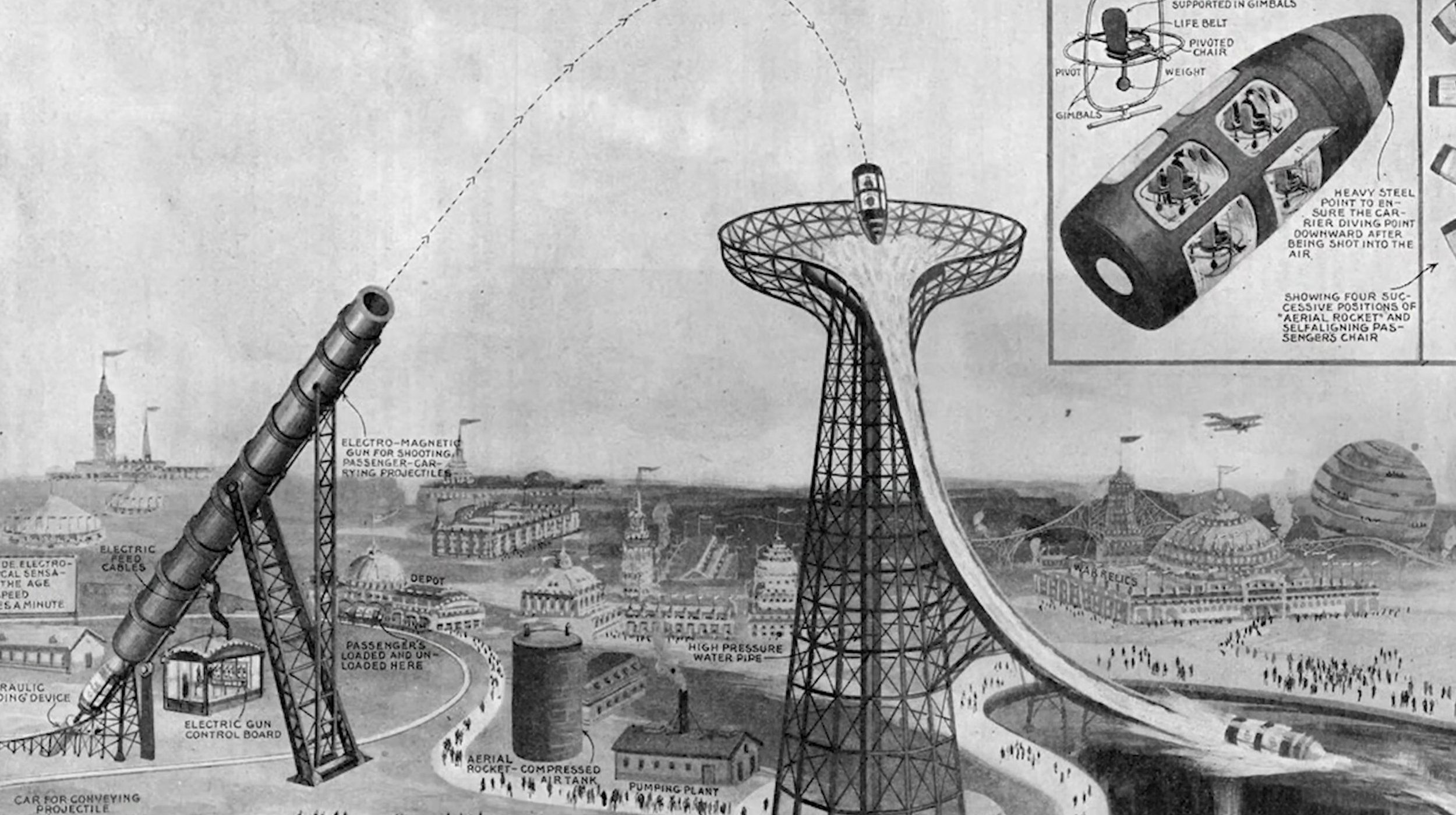
If you think today's thrill rides push the limits, wait until you see what amusement parks were like in the early 20th century.
Long before seat belts, strict inspections, and modern safety standards became the norm, amusement parks were packed with bizarre attractions, experimental rides, and some genuinely disturbing forms of entertainment.
It was an era where danger was part of the sales pitch, and that's exactly what makes it such a fascinating piece of history.
Historidame recently explored the strange world of early amusement parks, highlighting some of the most unbelievable rides and attractions that drew massive crowds. Parks across North America competed to build bigger, faster, and more outrageous experiences, often with very little concern for rider safety.
Among the attractions she points to are rides like the Scenic Spiral Wheel at Coney Island and early roller coasters that would seem almost unthinkable by today's standards because they operated without many of the safety features we've come to expect.
As she explains: "Creepy clowns, weird Sideshow attractions, and rides that were actively dangerous– early amusement parks were terrifying, and I want to visit them so badly."
As entertaining as those parks could be, their history also comes with a much darker side. Beyond the risky rides, many attractions reflected some of the worst social attitudes of the era.
A lack of regulations didn't just allow dangerous engineering experiments. It also made room for racist, ableist, and cruel attractions that thankfully have no place in modern amusement parks.
Historidame explains: "Early amusement parks were also full of racism, ableism, and animal cruelty. One common attraction that you might stumble across back then was a Lilliputian village, where little people would be employed to inhabit a fake city for the entertainment of parkgoers.
“There were also a variety of racist carnival games, like the African Dodger, where white patrons could pay to throw baseballs at African-American men with the goal of hitting their faces to win a prize. And of course, animal cruelty was always expected back then."
Over time, those practices began disappearing as public attitudes changed and governments started paying closer attention to public safety. The transition didn't happen overnight, though.
It took decades before stronger regulations reshaped the amusement park industry into something much closer to what we know today.
As Historidame notes: "Though changes would be made over the years, the process of removing the more problematic elements from amusement parks, as well as improving ride safety, would be slow and gradual.
“It wasn’t until the 1970s that stricter laws would be created to regulate entertainment venues in North America, but by then, the golden age of amusement parks was already over."
Looking back, it's incredible to see how much the industry has changed. Those early parks were packed with creativity and fearless experimentation, but they also serve as a reminder that excitement without oversight can come at a terrible cost.
It's a fascinating chapter of amusement park history that's equal parts entertaining, unsettling, and almost impossible to believe.