Theatrical Moviegoing Still Struggling as Only Half of Americans Went to Theaters in 2025
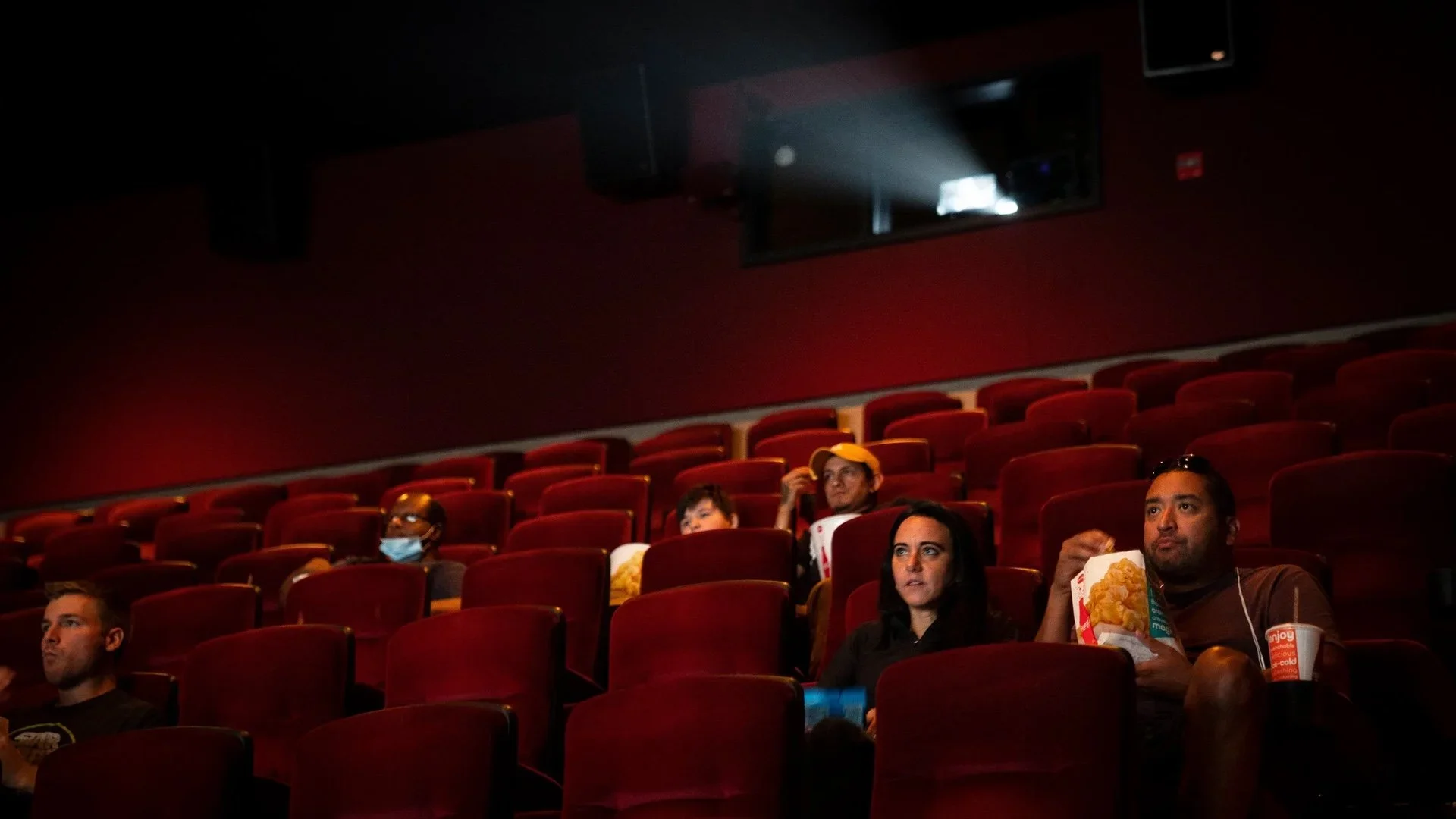
The Academy Awards are right around the corner, celebrating the best movies of the year. But a new study suggests the theatrical moviegoing experience still hasn’t fully bounced back. In fact, only a little more than half of Americans actually stepped inside a movie theater in 2025.
That’s the headline from a new survey conducted by the Pew Research Center, which looked at how often people in the U.S. are still heading out to theaters. The numbers paint a pretty interesting and depressing picture of where the movie industry stands right now.
According to the survey, 53% of U.S. adults said they had seen a movie in theaters within the previous 12 months. That means nearly half of the country skipped the theatrical experience entirely over the past year.
Even more surprising, about 7% of respondents said they have never seen a movie in a theater at all. That’s just crazy to me! I can’t imagine a life without enjoying the movies in a movie theater.
The numbers highlight how much the theatrical business is still working its way back after the pandemic hit the industry hard. In 2020, theater closures caused ticket sales to collapse by 81%. It was a brutal moment for theaters across the country.
Things have improved since then, but the recovery has been slow. In 2025, audiences in the U.S. and Canada bought around 769.2 million tickets. That might sound like a lot, but it is less than half of the all-time high of about 1.6 billion tickets sold in 2002, according to data from Nash Information Services.
Revenue tells a similar story. When adjusted for inflation, the box office peaked in 2002 with about $16.4 billion in ticket sales. Through the 2000s and 2010s, revenue remained relatively steady before collapsing to under $3 billion in 2020 when theaters were closed for months.
Last year the domestic box office brought in just over $9 billion, according to analytics firm Comscore. That’s a solid improvement from the pandemic years, but ticket sales are still hovering roughly 20% below where they were before COVID.
The Pew data also shows that moviegoing habits change quite a bit depending on age. Younger audiences are still showing up the most. About two-thirds of adults between 18 and 29 said they went to a movie theater in the past year. That number drops sharply with older audiences, with just 39% of adults aged 65 and up saying the same.
Income also plays a role. Upper-income Americans reported the highest theater attendance at 64%. Middle-income adults followed at 57%, while only 43% of lower-income Americans said they went to see a movie in theaters.
There are also differences across racial and ethnic groups. Hispanic adults reported the highest theater attendance at 59%. White adults followed at 53%, while 49% of Black adults said they had gone to the movies over the past year.
Interestingly, gender wasn’t much of a factor. The survey showed nearly identical attendance between men and women, with 53% of men and 54% of women saying they visited a theater.
Politics showed a slightly wider gap. About 58% of Democrats and Democratic-leaning independents reported going to the movies in the past year, compared to 50% of Republicans and Republican-leaning respondents.
For movie fans, theaters still offer something that streaming can’t really replicate. The giant screen, booming sound, and the shared crowd experience still make watching a big movie feel special. But these numbers show the industry still has work to do if it wants to bring audiences fully back into theaters.
The big question now is whether the next wave of major releases can keep nudging those numbers higher. As someone who loves the theatrical experience, I’m hoping the magic of the theatrical experience keeps pulling people back into the cinema. But, I will say, the cost of going to the movies doesn’t make it easy.