Tim Cook Steps Down as Apple CEO, John Ternus Takes the Reins
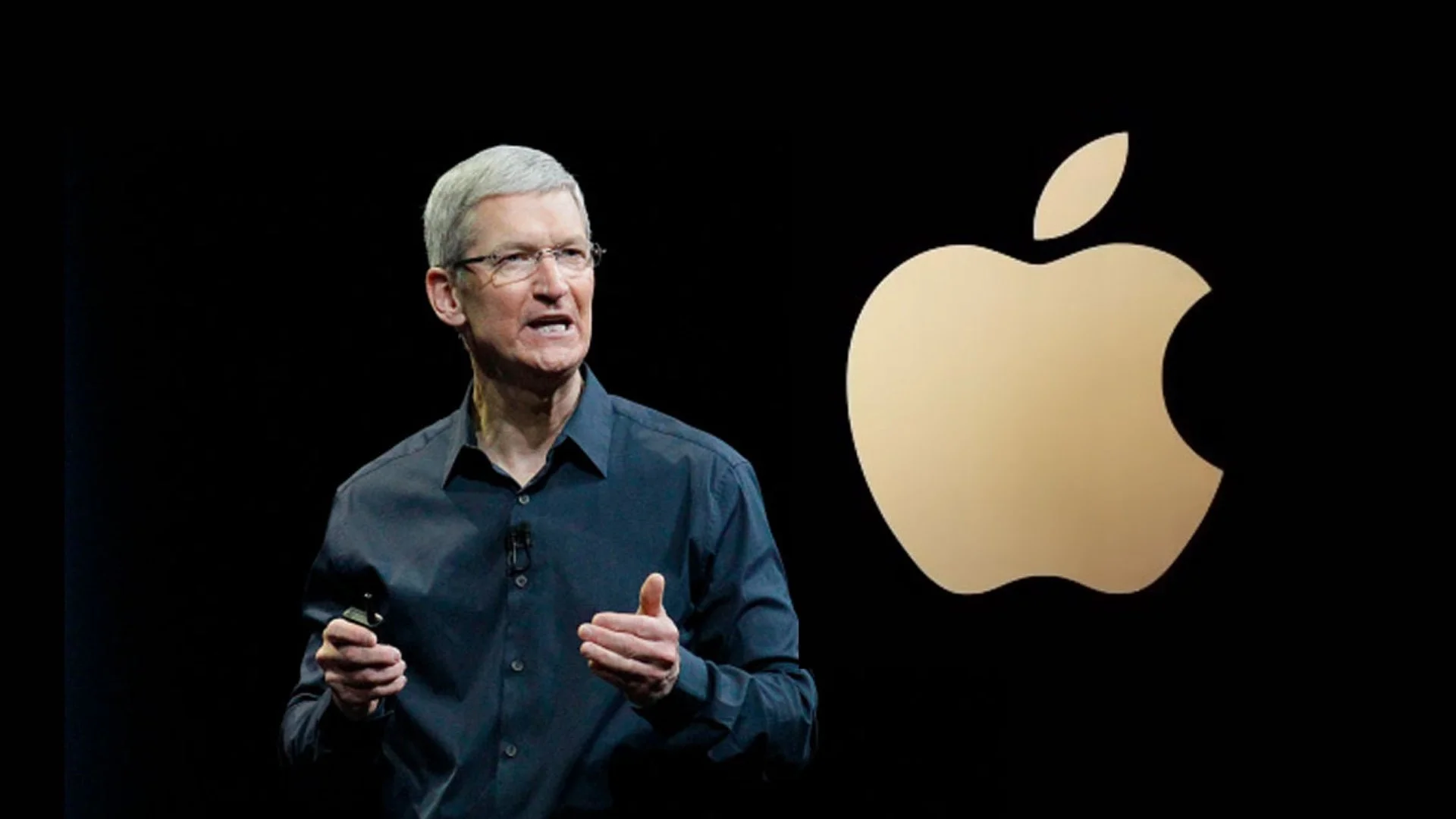
After nearly 15 years steering one of the most powerful tech companies on the planet, Tim Cook is officially stepping down as CEO of Apple Inc..
The company confirmed that John Ternus, currently senior vice president of hardware engineering, will take over the top job starting September 1. Cook isn’t disappearing though, he’ll transition into the role of executive chairman of Apple’s board.
That new position will keep him very much in the mix, especially on the global stage. According to the announcement, Cook will continue engaging “with policymakers around the world.” In other words, he’s shifting from running Apple’s day-to-day operations to playing a more political and strategic role behind the scenes.
Apple also shared a public letter from Cook, where he reflected on his time with the company and gave a strong endorsement of his successor.
He wrote that Ternus has shown deep dedication to Apple over the past 25 years and said the company “will reach such incredible heights under his leadership” that “you will feel his impact in every bit of delight and discovery that grows out of the products and services to come.”
Cook’s run as CEO began in 2011, when Steve Jobs personally chose him to take over shortly before his passing. At the time, Cook had already built a reputation as Apple’s operational mastermind, transforming its supply chain into a global powerhouse. Under his leadership, Apple exploded in value, becoming a $4 trillion giant.
His tenure has been anything but smooth sailing. Taking over from Jobs was a massive challenge on its own, and Cook had to navigate ongoing political and economic pressure, especially during the Trump administrations.
He approached leadership differently, never trying to replicate Jobs’ product-first style or the design-driven vision of Jony Ive. Instead, Cook leaned into what he does best, operations, scale, and strategy. He stuck to Jobs’ advice and avoided asking, “What would Steve Jobs do?”
Even without that product-first identity, Cook oversaw some major releases that shaped modern Apple. Bigger-screen iPhones kicked off with the iPhone 6 Plus, and entirely new categories like the Apple Watch and AirPods became staples of everyday tech life.
Not everything landed the way Apple hoped. The Apple Vision Pro hasn’t yet lived up to its “spatial computer” ambition, especially at its steep price point. The long-rumored Apple Car never made it to the finish line, and augmented reality products remain more promise than reality for now.
One of Cook’s biggest impacts came from expanding Apple’s services ecosystem. Over the years, the company rolled out Apple TV, Apple Music, Apple News, and Apple Fitness+, all of which helped lock users deeper into Apple’s ecosystem. That strategy turned services into a major revenue stream and reshaped how people interact with Apple products daily.
The leadership shake-up doesn’t stop with Ternus. Johny Srouji, previously senior vice president of hardware technologies, has been promoted to chief hardware officer. Srouji played a key role in developing Apple’s custom silicon, starting with the A4 chip and leading to breakthroughs like the M1, which allowed Apple to move away from Intel and build some of the most powerful laptops on the market.
As for Ternus’s previous role, Tom Marieb will step in as the new senior vice president of hardware engineering. He’ll report directly to Srouji as Apple continues to double down on its in-house technology.
This is a huge shift for Apple. Cook’s era defined the company in ways that go far beyond products, and now all eyes are on Ternus to see how he shapes the next chapter.
Whether that means doubling down on hardware innovation or pushing into new territory, one thing’s clear, Apple is entering a brand-new phase.