Tom Hanks Argues Voice Actors Can Win Oscars Without a Separate Category, Yet None Ever Have
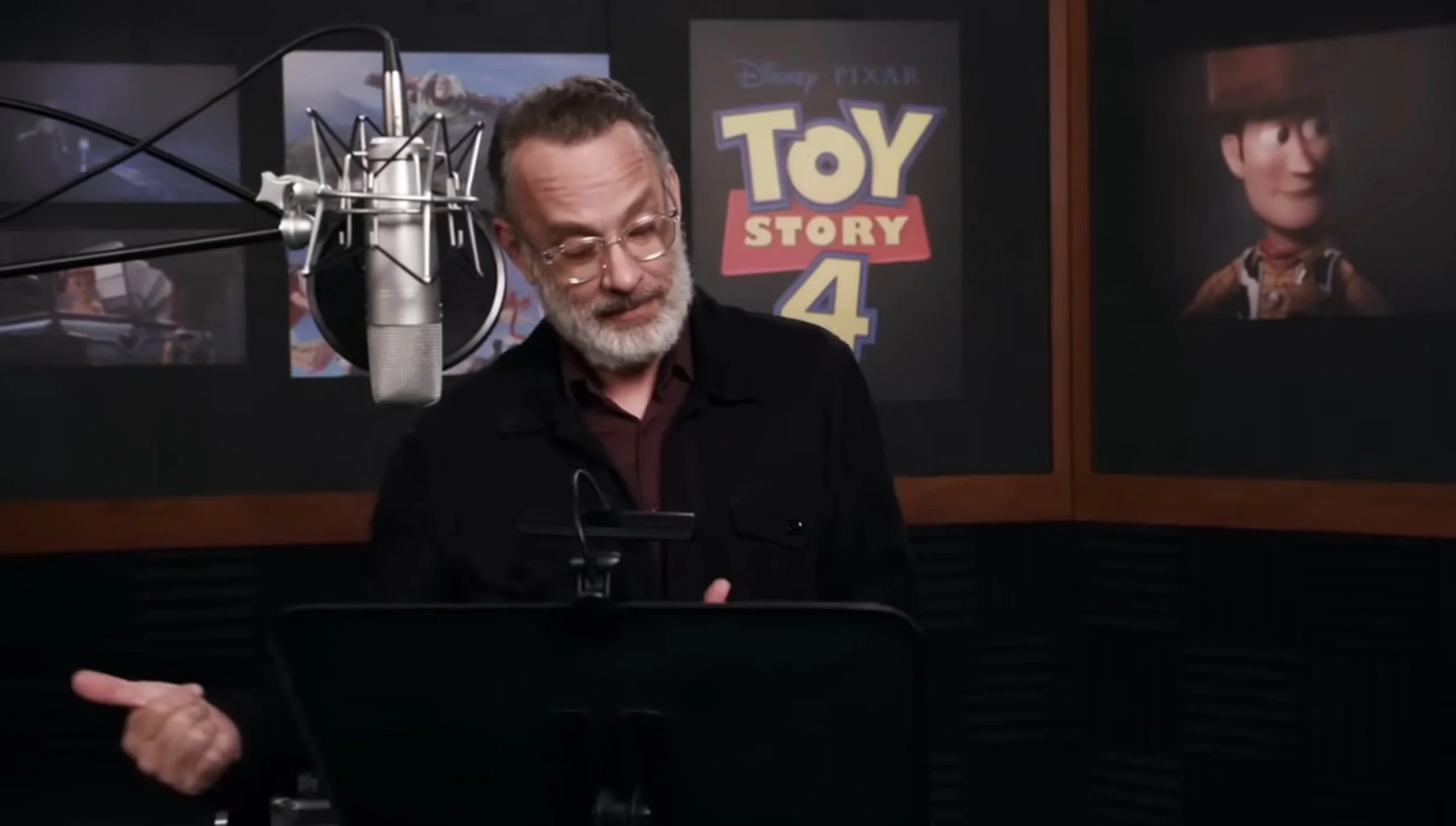
As conversations continue about whether the Academy Awards should finally create an Oscar category for voice acting, Tom Hanks has weighed in with a perspective that might surprise some animation fans.
While promoting Toy Story 5, Hanks told Gold Derby that he doesn’t think the Oscars need to add a separate category for voice performances. Instead, he believes those performances should be eligible to compete alongside traditional live-action roles in the existing Best Actor and Best Actress races.
“I think they have enough categories. The truth is, truly, a voice actor can win Best Actor. The judgment is ‘any performance that moved you.’
“We’ve talked about, for example, Andy Serkis. Even though he does not appear as Andy Serkis, he gives all the raw material to it. There’s been people who have been close to being nominated that do not appear on camera. That could happen to a pure-vocal actor.”
Hanks continued: “If they are moved, that means they are moved by a human being’s performance. That’s all the requirement.”
It’s a thoughtful argument, and coming from Hanks, it carries some weight. The actor is a two-time Oscar winner thanks to his performances in Philadelphia and Forrest Gump. He also knows a thing or two about voice acting after bringing Woody to life in the Toy Story franchise, a role that earned him an Annie Award nomination in 1995.
The problem is that the Academy’s history doesn’t really support Hanks’ optimism. In more than 95 years of Oscar history, not a single performer has ever received an acting nomination solely for a voice-only role. Not one.
There have been close calls and plenty of discussions. One of the most notable examples was Scarlett Johansson's acclaimed vocal performance in Her. Many critics considered her work awards-worthy, and the film itself went on to win the Oscar for Best Original Screenplay. Even then, a nomination for her performance never materialized.
The same issue has followed motion-capture performers for years. Andy Serkis has long been viewed as one of the pioneers of performance capture thanks to characters like Gollum, Caesar, and King Kong, yet the Academy has never recognized that work with an acting nomination.
Likewise, Zoe Saldaña has delivered emotionally rich performances as Neytiri throughout the Avatar franchise, but those performances have also been ignored by Oscar voters.
Speaking to The Independent in 2024, Saldaña shared her frustration with how these performances continue to be treated:
“Old habits die hard, and when you have old establishments, it’s really hard to bring forward change, and I understand that, so I’m not bitter about it, but it is quite deflating when you give 120% of yourself into something.
“I mean, not winning is ok, not being nominated is ok, but when you’re overlooked and then minimized and completely disregarded…”
James Cameron echoed that sentiment during a previous interview arguing that Saldaña’s work deserves the same consideration as any acclaimed live-action performance:
“I’ve worked with Academy Award-winning actors, and there’s nothing that Zoe’s doing that’s of a caliber less than that. But because in my film she’s playing a ‘CG character,’ it kind of doesn’t count in some way, which makes no sense to me whatsoever.”
That’s really the heart of the debate. Hanks is absolutely right that a great performance is a great performance, regardless of whether audiences see the actor’s face. Voice actors and motion-capture performers are still creating characters through emotion, timing, physicality, and performance.
But if the Academy truly viewed those performances the same way, we probably would have seen at least one nomination by now.
After nearly a century of Oscar ceremonies, it feels increasingly difficult to believe that voters will suddenly start nominating voice-only performances for Best Actor or Best Actress. The precedent simply isn’t there.
If recognition is ever going to happen in a meaningful way, a dedicated Voice Acting category may be the only realistic path forward.
That doesn’t diminish Hanks’ point. In an ideal world, acting is acting, whether it happens in front of a camera, through a microphone, or beneath layers of motion-capture technology. The reality, however, is that the Academy has spent decades showing us exactly where it draws that line.
What do you think? Should voice actors compete alongside traditional performances for Oscar gold, or is it finally time for the Academy Awards to create a dedicated voice acting category?