Tony Gilroy’s ANDOR Philosophy Is the Creative Wake-Up Call STAR WARS Needs Right Now
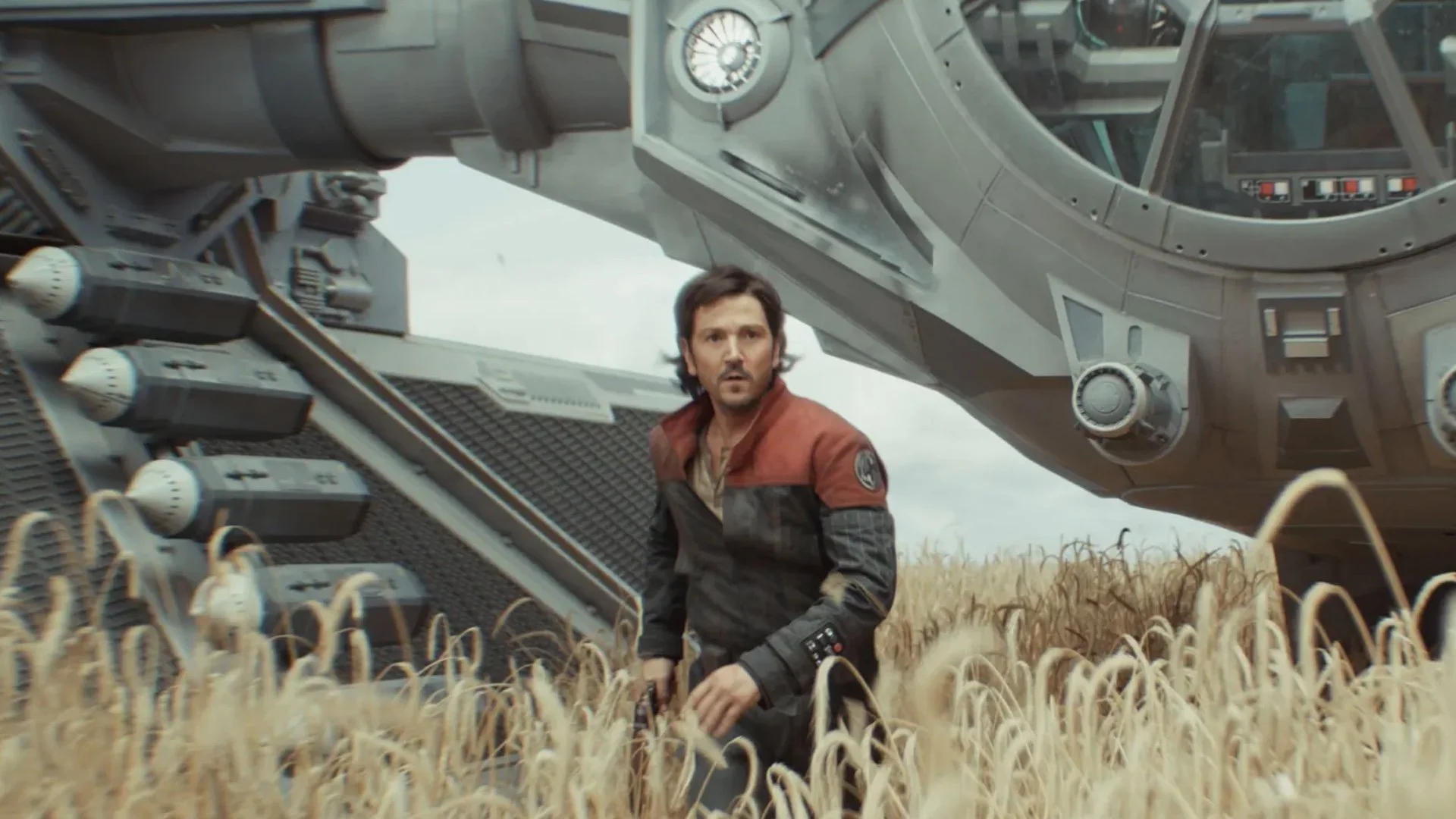
Andor has earned its place as one of the sharpest, most confident swings the Star Wars franchise has ever taken. Tony Gilroy centered the show on Cassian Andor, a character who barely registered with casual fans, then doubled down by making it a prequel to a prequel in Rogue One.
No Jedi mythology overload. No legacy cameos doing victory laps. Just grounded drama, political tension, and a slow-burn rebellion that trusted the audience to keep up.
Season 1 hinted that Gilroy was onto something special, but it still felt like a smart side street of the galaxy far, far away. Season two changed everything.
The series kicked the door open and redefined what Star Wars television could be. The result was the franchise’s first true prestige series, one that broke out of the fandom bubble and landed squarely in the awards conversation.
Lucasfilm is now in transition, with Kathleen Kennedy stepping away and a new leadership structure taking shape. A major creative voice in that structure is Dave Filoni, the longtime steward of animated favorites like The Clone Wars and an executive producer on The Mandalorian.
Filoni’s influence on modern Star Wars is massive, but it’s also divisive. Reports that he wasn’t especially fond of Andor have left fans wondering if a show like it could ever happen again.
Filoni’s strengths are undeniable. As George Lucas’ protégé, he’s one of the deepest lore experts the franchise has ever had. That knowledge powered beloved animated runs like The Clone Wars and Star Wars Rebels and helped The Mandalorian become a pop culture hit.
But his recent live-action projects, including Obi-Wan, Ahsoka, and The Book of Boba Fett, have split audiences. For many mainstream viewers, those shows feel like they come with required reading.
If you didn’t grow up on the animated canon, you might feel locked out. That gap has widened fractures in the fanbase, and not everyone is thrilled about Filoni having even more creative control.
That’s where a piece of advice from Tony Gilroy, shared during a previous Q&A podcast with Backstory Magazine, feels oddly prophetic. Talking about working with major IP, Gilroy laid out a philosophy that cuts right to the heart of Star Wars’ current identity crisis:
“A lot of times when you’re working on IP storytelling, your impulse is to open the toy box and start playing with all the toys.
“You should try to resist that, and what you should do is leave more toys in the toy box than were there when you got there and resisting the impulse to be a child and instead think more like a storyteller who’s adding to the world rather than taking from it.”
It’s easy to read that as a swipe at Filoni’s style, but it doesn’t have to be. Plenty of fans have openly criticized Star Wars for leaning too hard on familiar faces and recycled arcs, sometimes mistaking nostalgia for momentum.
Andor proved there’s another way. The series took a cold, unromantic look at how fascism tightens its grip on a society and forces ordinary people to choose sides.
At the same time, Andor didn’t ignore the sandbox it was playing in. It expanded it. Characters like Luthen Rael, Bix Caleen, and Kleya Marki instantly became essential pieces of Star Wars lore. Even established figures benefited.
Mon Mothma, Orson Krennic, Bail Organa, and Cassian himself all emerged richer, sharper, and far more compelling than they’d ever been before. That’s the trick Gilroy was talking about. Add new toys. Don’t just rearrange the old ones.
If Andor could do that within the constraints of a massive franchise, there’s no reason the next era of Lucasfilm can’t follow suit. Signs of that thinking are already showing up. Star Wars: Starfighter, the upcoming film from Shawn Levy, is set to explore brand-new territory after The Rise of Skywalker.
Gilroy’s advice isn’t about rejecting Star Wars history. It’s about trusting storytellers to grow it. As Lucasfilm charts its future, that mindset might be the most valuable lesson of all.