Video Explores How Past Trauma Rewires the Brain Into a Constant State of Alert
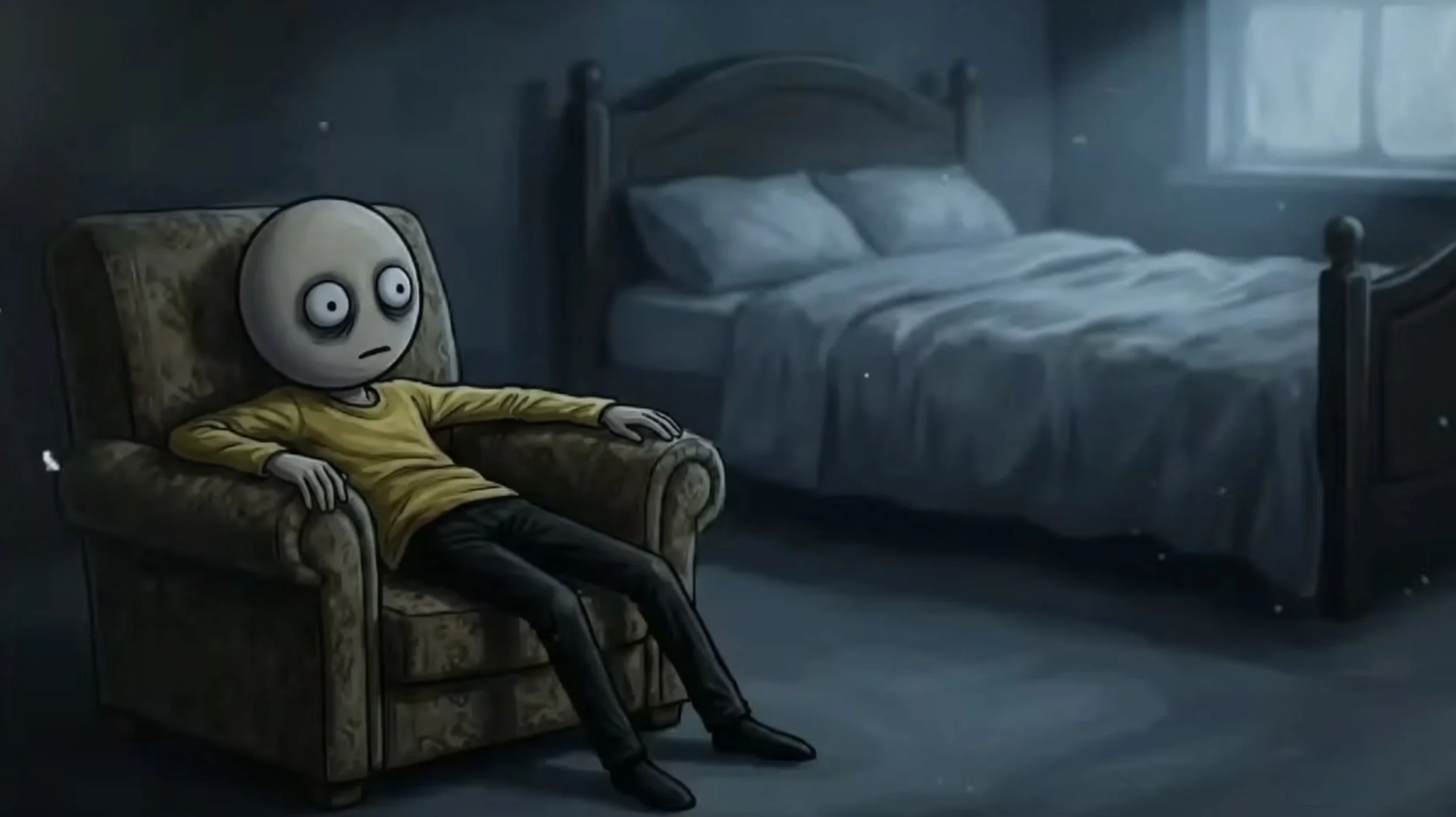
A new video from Kai Psychology digs into how past trauma can reshape the brain, pushing it into a state of constant alert.
Using clear, descriptive animation, the video breaks down why some people move through the world always scanning for danger, always bracing for the next hit, even when everything seems calm on the surface.
At the center of the explanation is the brain’s survival system. When someone grows up in chronic stress or emotional instability, especially in childhood, the brain adapts. It isn’t a flaw. It’s a survival upgrade.
The amygdala becomes overactive, learning to spot threats fast and often. That wiring doesn’t just disappear with age. It sticks around, shaping behavior, relationships, and emotional exhaustion well into adulthood.
“When you endure chronic stress or childhood instability, your brain—specifically the amygdala—rewires itself for hyper-vigilance. You become an expert at reading micro-expressions and anticipating danger, but you lose the ability to rest.”
One of the most interesting parts of the video focuses on children who grow up feeling responsible for the emotions and well-being of others. These kids often develop intense empathy and awareness early on.
They learn how to read a room instantly and adjust themselves to keep the peace. That skill may look impressive from the outside, but it comes at a cost. Their own needs are often ignored, buried, or postponed indefinitely, and that unresolved trauma doesn’t fade quietly.
The video also connects this pattern to adults who become the emotional backbone for everyone around them. They’re the reliable one, the fixer, the person others lean on when things fall apart.
The brain response is the same. Hypervigilant behavior becomes a shield, constantly preparing for real or imagined danger, even when the threat is long gone.
“This is for the person who has always been the “strong one.” If you are the friend everyone calls in a crisis, if you were called an “old soul” as a child, or if you feel like you are constantly holding up the ceiling so it doesn’t collapse on everyone else—this analysis is for you. It is for anyone who is tired of being resilient and just wants to be human.”
What makes this video hit hard is how it reframes these traits. Being hyper-aware, emotionally tuned in, and endlessly responsible isn’t a personality quirk. It’s the brain doing exactly what it learned to do to survive.
The problem is that survival mode doesn’t know when to shut off. Over time, that constant alertness leads to burnout, anxiety, and a deep sense of fatigue that rest alone doesn’t fix.
Kai Psychology’s breakdown doesn’t feel clinical or cold. It feels validating. It gives language to experiences many people have lived with for years without understanding why.
If you’ve ever felt like your brain won’t power down, or like relaxing feels unsafe, this video offers a clear, grounded explanation of what’s really going on under the hood.
It’s an eye-opening watch that blends neuroscience, trauma psychology, and emotional reality in a way that’s easy to follow and hard to forget.