Why BLADE RUNNER 2099 Skipped the Replicant Uprising and Went Straight to the Aftermath
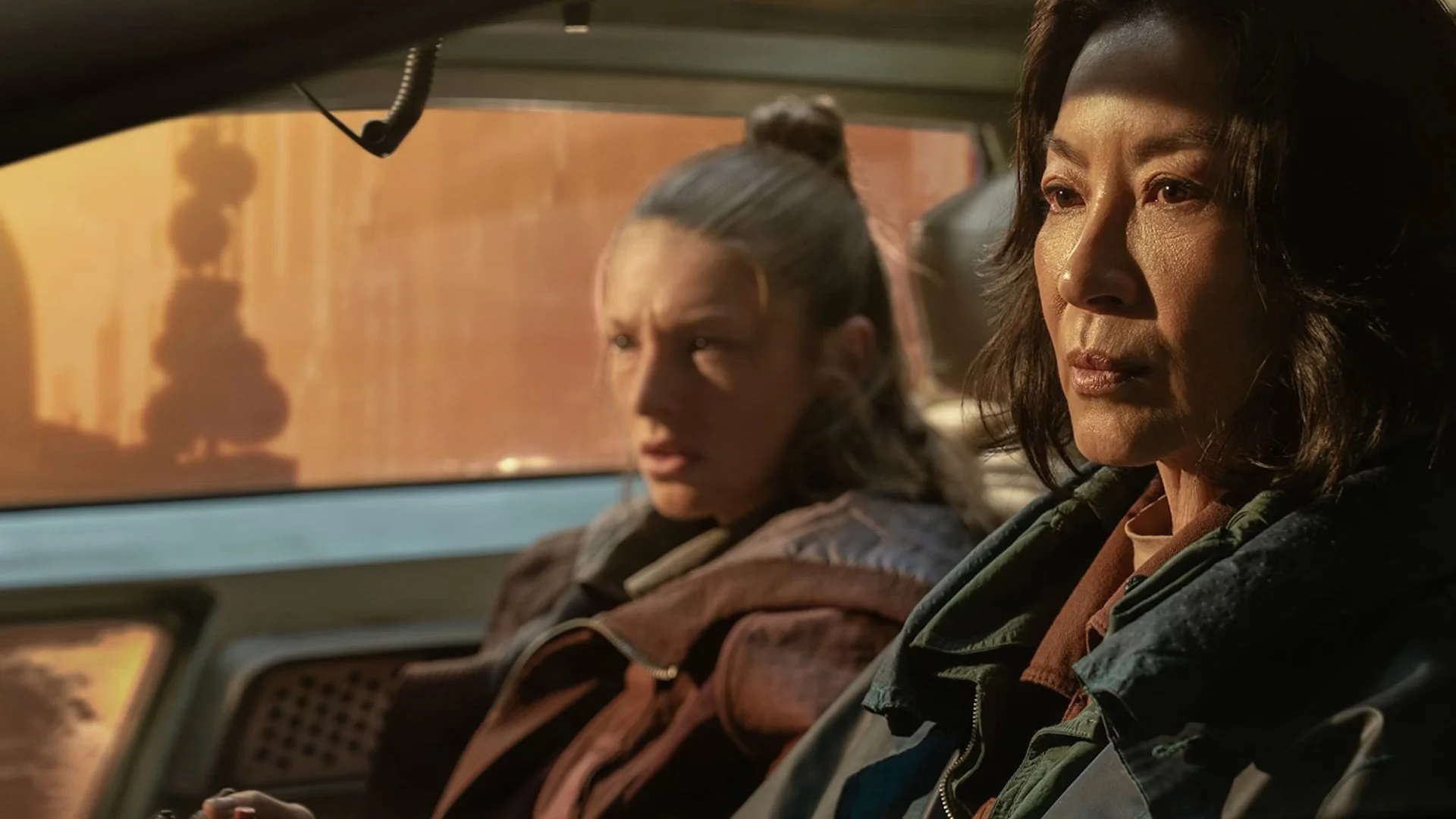
The Replicants have won, humanity has lost, and Blade Runner 2099 isn't interested in showing us the war that made it happen. Instead, the Prime Video sci-fi series throws audiences into a world where the machines are calling the shots. It's a pretty damn interesting direction to take the franchise.
The show's official tagline, "Welcome to a future we no longer control," gets right to the point. Set 50 years after Denis Villeneuve’s Blade Runner 2049, the series completely upends the power dynamic established in Ridley Scott’s original 1982 classic, Blade Runner. Humans spent decades treating Replicants as disposable property, but that hierarchy has been torn apart.
So, why skip over arguably one of the biggest events in Blade Runner history? Showrunner Silka Luisa explained during a press junket that she wasn't particularly interested in revisiting familiar sci-fi territory.
"To be honest, I feel like I've seen that before. Not with Replicants, but definitely the robot revolution is definitely something I can close my eyes and picture. It's been in the zeitgeist and people have done different takes on it, so it didn't seem like I was going to be putting anything out into the world that people couldn't imagine for themselves."
The Terminator franchise has spent decades exploring humanity's war against machines, and turning Blade Runner into a full-blown war series could've stripped away the neo-noir identity that makes this universe so compelling.
Villeneuve planted the seeds of a Replicant revolution in Blade Runner 2049, but Luisa was more fascinated by what happens when that revolution succeeds.
"Whereas, what I really wasn't sure about myself at the beginning and that was interesting, was what happens afterwards. What does it look like to lose? And if you have been disempowered for your entire existence, what do you do with power?"
That's the territory explored through Michelle Yeoh's Replicant Blade Runner Olwen and Hunter Schafer's Cora, a human concealing her identity in this radically different world.
The Replicants were engineered to be physically superior to their creators and branded as "more human than human." Now that they're running things, will they build a better society or become the very monsters they fought to overthrow?
Luisa continued: "Those were just, at least to me personally, much more interesting questions than just a simple idea of which side is gonna win. When, in truth, you kind of know which side is gonna win [laughs]."
As cool as a full-scale Replicant rebellion would've been to watch, there's something more unsettling about exploring a revolution that may have simply traded one oppressive system for another. Winning your freedom doesn't automatically make you the good guy.
That's the kind of morally messed-up sci-fi that feels right at home in Blade Runner.
All eight episodes of Blade Runner 2099 are currently streaming on Prime Video.
Source: /Film