Why Do So Many Superheroes Wear Capes? This Video Breaks It Down
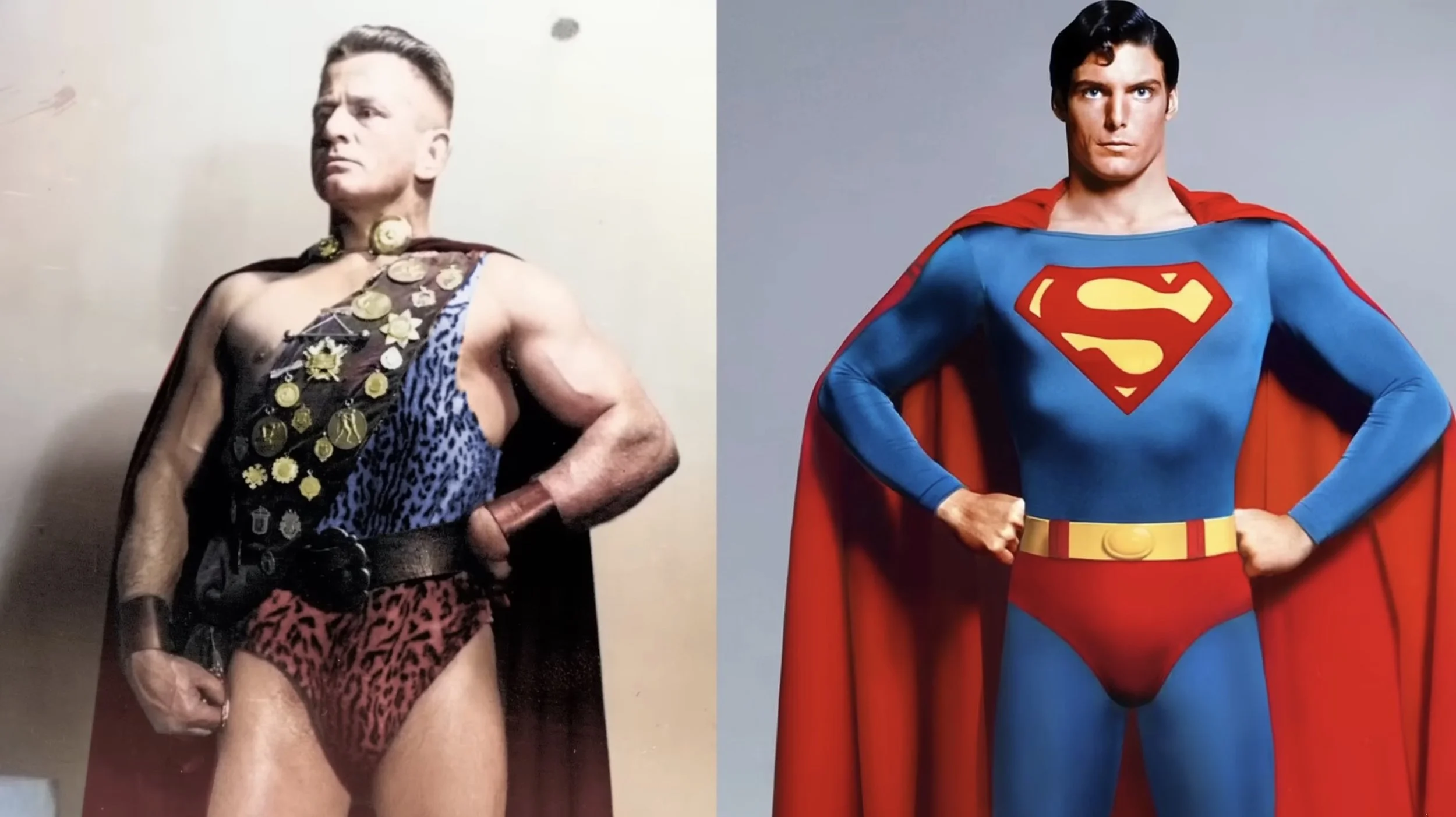
There’s something undeniably cool about a superhero cape. Whether it’s flowing dramatically in the wind or snapping mid-flight, it just works. But have you ever stopped to wonder why capes became such a defining part of superhero design in the first place?
A great video from Tomás García of Talkin’ Bout digs into that very question, and the answer is a mix of history, spectacle, and pure instinct.
It all starts with Superman. When the Man of Steel first appeared in 1938, his look wasn’t pulled out of thin air. García explains that Joe Schuster, who co-created the character, pulled inspiration from larger-than-life performers of the time.
“In 1938, artist and co-creator of Superman, Joe Schuster, took huge inspiration from wrestlers, Pulp Fiction, and circus performers, especially strong men, to create the design for Superman. a huge super strong dude wearing a colorful outfit with underwear on the outside and of course a long red cape.”
That combination of theatrical flair and exaggerated strength made the cape feel like a natural fit. It added movement, presence, and a sense of grandeur that matched Superman’s abilities. Once that image hit the page, it stuck.
From there, the cape didn’t just remain a stylistic choice, it evolved into a symbol with deep historical roots. Long before superheroes existed, capes already carried meaning tied to power and status.
“With documented uses as early as the sixth century, capes were once the ultimate symbol of status and power. But it wasn’t just wearing any cape since the mix of using high quality wool and or silk, the famously rare and expensive color purple, and adding various small details would all signify the social rank of whoever was wearing it. Or in our case, the power level. “
That connection is pretty fascinating when you think about it. Superheroes are modern mythic figures, and the cape acts like a visual shortcut that tells us who’s important, who’s powerful, and who commands attention the second they enter a scene.
Over time, the cape became more than just a borrowed idea from history or performance. It turned into a defining piece of the superhero identity itself.
“Ever since Superman wore that cape back in 1938, society decided that superheroes would forever be linked with capes. …The true reason why is that it just feels right. Regardless of the weight, the size, and the inconvenience of running, driving, fighting, or doing anything else than standing still, it just feels right to have the flying hero wearing a cape.”
Logic says capes are impractical. They get in the way, they snag, they’re probably a nightmare in a fight. But visually and emotionally, they hit in a way few other costume elements can.
From Batman lurking in the shadows to Thor soaring through the sky, the cape adds drama, scale, and just the right amount of mythic energy. It’s one of those design choices that doesn’t need to make sense because it taps into something deeper.
At the end of the day, superheroes wear capes because we want them to. And honestly, it wouldn’t feel the same without them.