Why YouTube Creators Are Becoming Hollywood’s Next Big Filmmakers
I’ve been saying for years that some of the most exciting future filmmakers weren’t coming out of film school. They were coming from YouTube.
A lot of the time I brought it up, people looked at me like I had lost my mind. To many movie fans, YouTubers were content creators making skits, reaction videos, gaming streams, and short-form entertainment.
The idea that they would become the next generation of successful Hollywood directors seemed far-fetched. I thought this would happen years ago with Freddie Wong leading the charge, but over the last few years, we've watched that prediction start to play out in a very real way with different filmmakers not on my radar.
The first major sign came with Talk to Me, the breakout horror hit from Danny Philippou and Michael Philippou. Most audiences knew them as RackaRacka, the Australian twins whose YouTube channel built a massive following through outrageous stunt videos and over-the-top comedy. Then they made Talk to Me.
The film became a critical hit, a box office success for A24, and one of the most talked-about horror movies of its year. More importantly, it proved that internet creators could make the jump to feature filmmaking and connect with mainstream audiences.
Years later we got Iron Lung, the indie sci-fi horror film written, directed, produced, and starring Mark Fischbach, better known to millions of fans as Markiplier. What could have easily been dismissed as a YouTuber vanity project instead turned into a major box office success and further strengthened the argument that online creators could thrive in theaters.
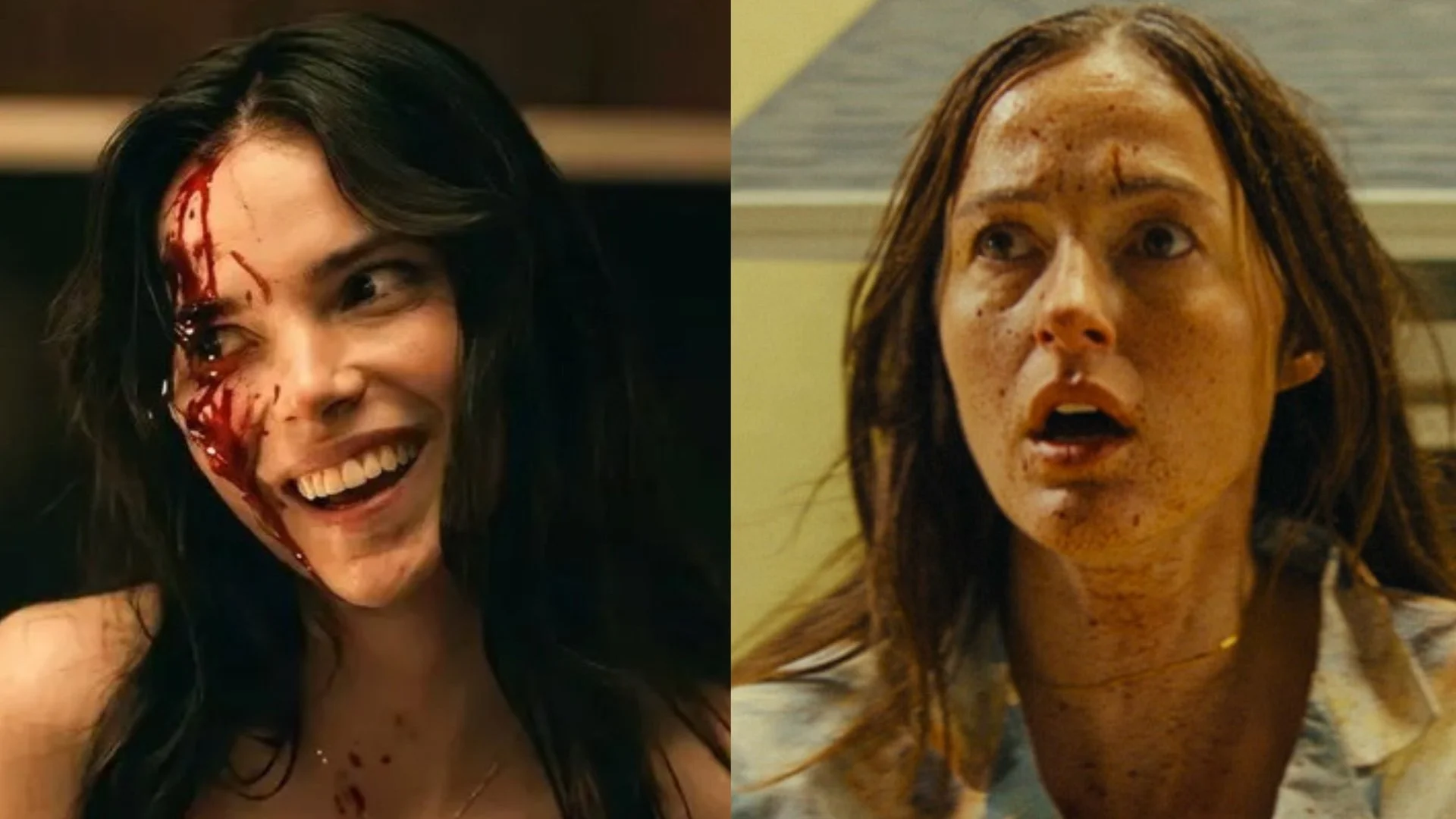
Now we're seeing the next evolution of that movement with Obsession and Backrooms. Both films have become major theatrical successes, and both are helping reshape how Hollywood looks at emerging talent.
These aren't giant studio tentpoles carrying massive budgets. They're filmmaker-driven genre movies that found audiences because viewers were genuinely excited to see them.
Studios are constantly searching for movies that can generate huge returns without requiring hundreds of millions of dollars to produce. That's exactly what these creators are delivering.
Some of these movies are great. Some are simply mediocre. But audiences are buying tickets, filling seats, and turning them into box office hits. At the end of the day, that's the metric Hollywood pays attention to.
The success of these films has become impossible to ignore. Backrooms, directed by Kane Parsons, has exploded into one of the most surprising success stories of the year.
What began as a viral internet phenomenon evolved into a theatrical event. The film's strange, unsettling atmosphere feels completely different from the type of horror Hollywood usually produces, and while I had issues with it, audiences have embraced it.
Meanwhile, Obsession from Curry Barker has pulled off something almost unheard of in modern theatrical releases. After opening strong, the film actually grew at the box office during its second weekend, proving that word-of-mouth can still be one of the most powerful marketing tools in the business.
What's fascinating is that neither film feels like it came out of the traditional Hollywood development machine. That's exactly what makes them exciting.
For years, many studios have relied on familiar formulas, established franchises, and recognizable brands. Those projects will always have a place, but audiences are also looking for surprises. They want movies that take chances, explore unusual ideas, and offer experiences they haven't seen before.
That's where many of these YouTube creators excel. They spent years building audiences online by constantly experimenting. They learned how to grab attention, how to tell stories efficiently, and how to connect directly with viewers. That experience is now translating into feature filmmaking.
Even Jason Blum sees it. Speaking recently about Obsession and Backrooms, the Blumhouse founder said:
"Since Covid, there’s been this lethargic feeling around theatrical, and is it relevant anymore, and is it going to survive? And what I think is so incredible about Obsession and Backrooms is that they’re a new kind of movie. They’re made by non-traditional directors, directors who really honed their skills as creators online."
Blum also compared the movement to a creative shift that feels reminiscent of another influential era in cinema:
"Backrooms and Obsession are edgy and weird and f*cking nuts, and to me, there’s almost this feeling of the ’70s, of this new generation of young people who are making edgy movies that are connecting in theaters in a crazy way."
Many of these filmmakers aren't approaching movies through the same lens as traditional Hollywood directors. They're bringing internet culture, digital storytelling instincts, and a direct understanding of audience engagement into theatrical filmmaking.
Blum even pointed out how differently these creators interact with test screenings: "They’re sitting at the front row, recording the audience with the camera.
“They’re just obsessed about how the audience is reacting to their movies, and I think that’s one of the reasons that these movies are connecting with younger people in the way that they are. Because they’re created by a group of people who are thinking about directing in a very different way."
The larger lesson here isn't simply that filmmakers with huge YouTube followings can sell tickets. The real lesson is that audiences still want originality.
Backrooms and Obsession aren't succeeding because they're tied to billion-dollar franchises. They're succeeding because they offer something different. They feel fresh. They feel personal. They feel like the product of filmmakers chasing ideas they genuinely wanted to make instead of trying to fit inside a predetermined formula.
That's why this moment feels important. Hollywood has spent years worrying about streaming, shrinking theatrical attendance, and younger audiences supposedly losing interest in movies. Yet these films are proving that younger audiences will absolutely show up when they're given something they haven't seen before.
The door that Talk to Me cracked open is now swinging much wider. Studios, producers, and executives are paying attention. And if the current trend continues, don't be surprised when the next generation of major Hollywood filmmakers comes not from film schools, and not from traditional industry pipelines.
They'll come from YouTube, and we're only seeing the beginning of it.
The biggest takeaway from the success of Talk to Me, Iron Lung, Obsession, and Backrooms isn't that YouTubers can make successful movies. It's that audiences are hungry for something they haven't seen before.
For years, Hollywood has been chasing familiar brands, sequels, remakes, and established formulas because they feel safe. But safe doesn't always create excitement. These films have connected because they offer something unexpected. They take chances, embrace strange ideas, and invite audiences into worlds that don't feel manufactured by committee.
We need a return to the kinds of movies people actively seek out because they want to be surprised. Backrooms and Obsession prove that mainstream audiences still crave originality, creativity, and filmmakers with a distinct point of view. They want movies that feel fresh, weird, imaginative, and a little unpredictable.
If Hollywood is paying attention, the lesson isn't simply that YouTube is producing the next generation of filmmakers. It's that audiences are rewarding creators who are willing to venture beyond the familiar and make something genuinely different.
Hopefully, Backrooms and Obsession aren't exceptions. Hopefully, they're the beginning of a larger shift that pushes studios to embrace more original voices, more unconventional ideas, and more movies that break free from the box Hollywood has been stuck in for far too long.