William Shatner Weighs in on STAR TREK: STARFLEET ACADEMY Cancellation and Fan Backlash
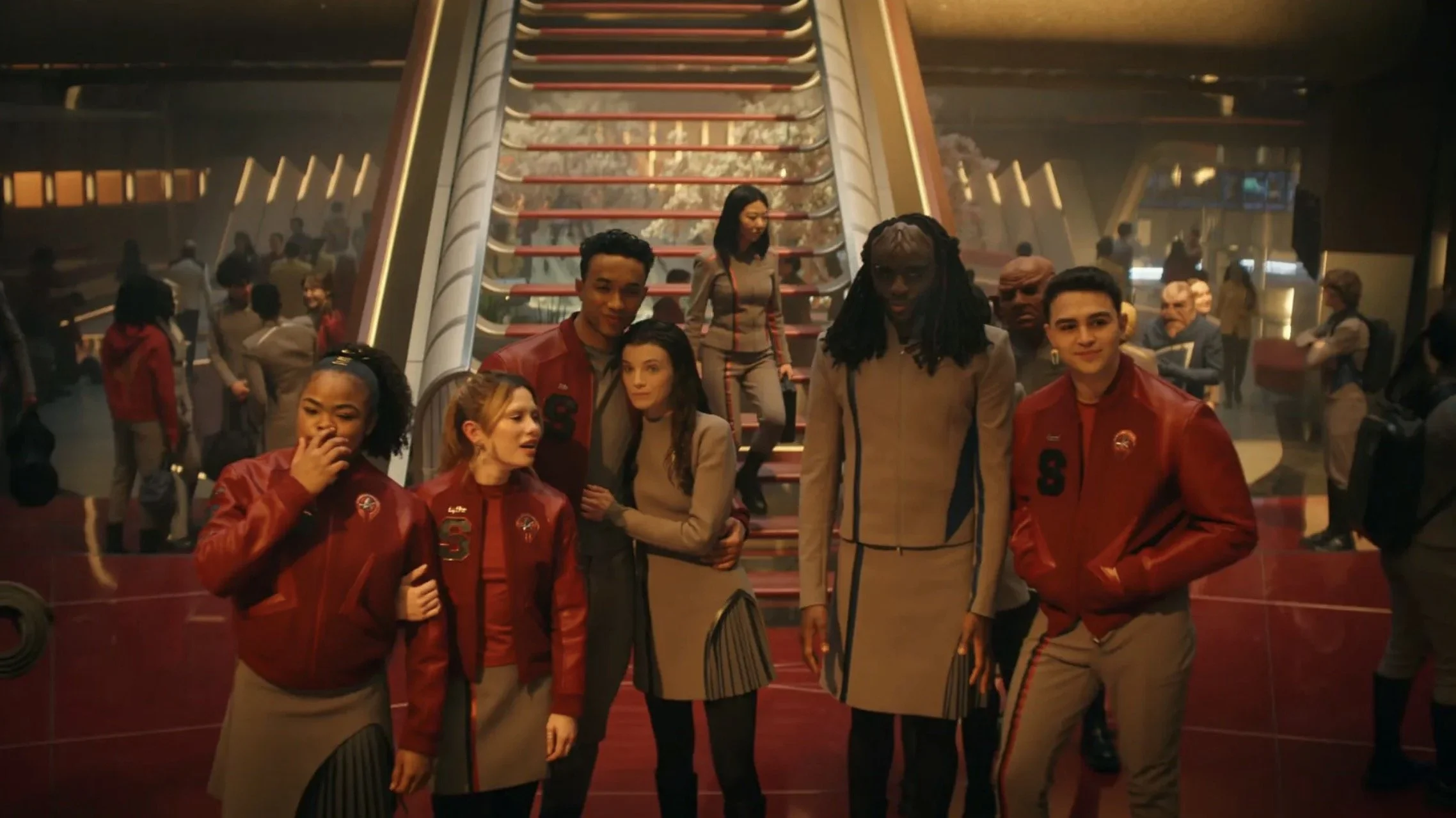
The cancellation of Star Trek: Starfleet Academy has sparked a lot of conversation across the fandom, and now one of the franchise’s most iconic figures has stepped into the discussion.
William Shatner, forever tied to the legacy of Star Trek, has shared his thoughts on the show’s abrupt end and the heated reactions surrounding it. His response doesn’t just touch on the series itself, it taps into something much bigger about what Star Trek has always represented.
The series had already stirred debate before its cancellation was confirmed by CBS and Paramount, with some fans criticizing its tone, writing, and characters.
Even more frustrating, Season 2 had already completed production, and there’s talk it may end on a cliffhanger. That leaves the future of those storylines uncertain, unless the studio finds a way to reshape the ending.
Shatner hasn’t actually watched Starfleet Academy, but he’s been paying attention to the online noise, and from his perspective, the reaction feels familiar. He kicked things off with a thoughtful reflection on what Star Trek has always been at its core:
“Star Trek exists in more than one world. It exists in the fantasy of science fiction – weird and wonderful things that play unimaginable possibilities of exploration and human endeavor.
“But it also exists in the fantasy of human beings, the perfection of human beings, the exploration that human beings have made since the dawn of time and the continuing exploration – physically mentally and morally.
“It’s that aspect of Star Trek that I’ve always loved, to look at something physically that doesn’t exist now by these talented writers & designers but also to tackle the eternal human questions the agonies, the ecstasies.
“Star Trek should exist for a long time to come based on those truths. I for one would love to see its continuity. It’s with sorrow that I hear about the cancellation of the new Star Trek series.”
That sense of disappointment carried into his next comments, where he pointed out that the current backlash isn’t anything new. In fact, it echoes the kind of criticism the franchise faced decades ago.
“During the first airing of my Star Trek series where a kiss was objectionable; many southern stations pulled the episode & condemned the show. Using today’s vernacular it would absolutely be called ‘woke DEI crap’ because it went against “norms” of society for its time. Not a lot seems to have changed.”
Shatner’s perspective comes from firsthand experience. The original Star Trek pushed boundaries in ways that were considered controversial at the time, including its famous interracial kiss.
That moment is now celebrated as a landmark in television history, but back then it stirred real backlash and discomfort. The franchise has always challenged the status quo, even when it made audiences uneasy.
He didn’t stop there. Shatner also reminded fans that resistance to change has followed nearly every new iteration of Star Trek.
“And when the Next Gen came out; there was tons of hate because it ‘wasn’t Star Trek’ and the cast probably was in fear from the fans. Again when the series with Bakula came out, it too was panned by the fans because it ‘wasn’t Star Trek.’ Star Trek is different for everyone.”
That last point hits at the heart of the issue. Every generation has its own version of what Star Trek should be, and when something new comes along, it often clashes with those expectations. Over time, though, many of those once-criticized series end up becoming fan favorites.
There’s no denying that Starfleet Academy had its flaws. Some viewers struggled with its tone aimed at younger audiences. But as Shatner suggests, a lot of the outrage seems tied less to storytelling and more to the show’s themes and perspective. But, unless he actually watches the series, he doesn’t know how weak the storytelling and writing actually is.
At its core, Star Trek has always been about imagining a better future. I love that about Star Trek! That vision, originally shaped by Gene Roddenberry, wasn’t just about space exploration. It was about humanity growing past its worst instincts. That idea has always carried a social message, and it’s often sparked debate.
Shatner’s comments reinforce what Star Trek has always stood for. Whether fans agree with him or not, it’s hard to ignore that he’s seen this cycle play out before. And if history is any indication, today’s controversies may look very different years from now.
Personally, I love what Star Trek stands for, I just want good quality storytelling as well.