Could OBSESSION Become the Oscars' Next Horror Phenomenon?
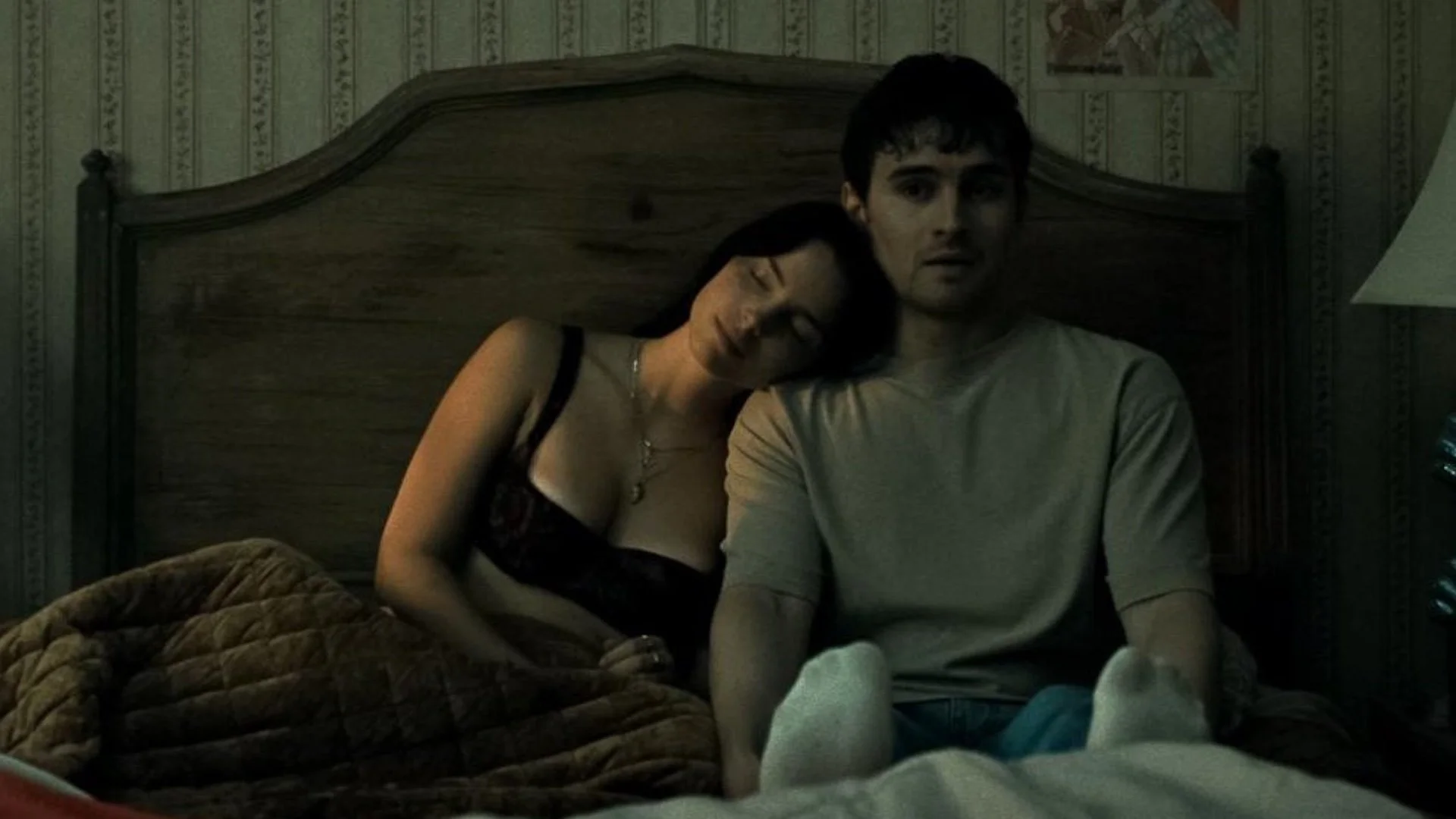
Every once in a while, a movie comes along that completely changes the conversation. Not just because it’s good, not just because it makes money, but because it forces people to rethink what kind of films deserve a seat at the table. This year, that movie might just be Obsession.
What makes the story even more fascinating is where it came from. While awards hopefuls typically emerge from prestigious film festivals or carefully orchestrated studio campaigns, Obsession exploded onto the scene from an unexpected place.
Its creator, Curry Barker, built his audience on YouTube before making the leap to feature filmmaking. Now, he’s sitting behind one of the biggest box office success stories of the year.
And the numbers are impossible to ignore. The horror thriller continues to shatter expectations, pulling in $19 million during its fifth weekend in theaters.
Even more impressive, the film has achieved something rarely seen in modern theatrical releases. After debuting with $17 million, it proceeded to earn even more money across four straight weekends. That's the kind of momentum studios dream about.
With a global haul of $265 million, Obsession has officially become the highest-grossing film in Focus Features history. At this point, the conversation has shifted. Audiences have already embraced the movie. Now the question is whether Academy voters are willing to do the same.
For years, prestige horror has largely been associated with a specific style and a specific distributor. Films that earned awards attention often arrived packaged with the kind of artistic credentials that made voters feel comfortable embracing genre storytelling.
Obsession feels different. It's a crowd-pleasing horror hit that doesn't fit neatly into the typical awards mold. Rather than being engineered as an awards contender, it became a phenomenon organically.
That creates a unique opportunity for Focus Features. Instead of chasing prestige through traditional means, the studio has the chance to elevate a wildly successful genre film into a legitimate Oscar player.
There's already a roadmap for how that can happen. Back in 2017, Jordan Peele released Get Out, a $4.5 million horror film from a first-time feature director best known for comedy.
What initially looked like a genre hit eventually transformed into one of the biggest awards stories of the year. By Oscar season, the film had earned nominations for Best Picture, Best Director, Best Actor for Daniel Kaluuya, and Best Original Screenplay. Peele ultimately took home the screenplay Oscar.
If Get Out proved anything, it's that horror can break through when the industry least expects it.
The environment may also be more welcoming than ever. The 98th Academy Awards marked a major moment for horror cinema. The genre collected eight Oscar wins, the strongest single showing in its history.
Sinners dominated nominations with an astonishing 16 nods, setting a new Academy Awards record. Frankenstein followed with three wins, while Amy Madigan claimed an acting Oscar for her performance in Weapons.
For longtime horror fans, this was pretty cool to see. Not long ago, many were simply hoping for recognition. Performances like Toni Collette's work in Hereditary and Lupita Nyong'o's turn in Us became rallying cries among fans who felt the Academy consistently overlooked the genre.
Even with recent progress, horror still faces certain hurdles. Historically, successful Oscar contenders often arrive with additional prestige attached. Sometimes it's an acclaimed filmmaker. Sometimes it's an overdue acting narrative. Sometimes it's a film that blends horror with another genre.
Consider Jaws, which functioned as both horror and blockbuster adventure. Or The Silence of the Lambs, a thriller with horror elements. Even Sinners balanced its vampire story with historical drama.
That's what makes Obsession such an intriguing case study. The film pulls inspiration from several horror films, but beyond its genre appeal, it comes equipped with something Oscar campaigns love… a compelling narrative surrounding its creator.
Should Barker secure a Best Director nomination, he'd join an incredibly exclusive group of young filmmakers. He would trail only John Singleton, who earned recognition for Boyz n the Hood at age 24, and Orson Welles, who was nominated for Citizen Kane at 26. Barker would be just 27 years old on nomination morning, a remarkable achievement for someone whose filmmaking journey began on YouTube.
Then there's the film's breakout star, Inde Navarrette. As Nikki, she delivers the kind of performance that becomes impossible to stop talking about. The character's physicality, emotional swings, vocal changes, and unsettling presence were all developed through collaboration between Barker and Navarrette.
Notably, the performance relied on practical work rather than CGI or artificial intelligence enhancements, a detail that may resonate with voters who increasingly value authenticity in performances.
Of course, none of this guarantees anything. The reality is that horror still faces skepticism in some corners of the awards world.
Massive box office success is often viewed through a commercial lens rather than an artistic one. And a filmmaker who rose to prominence on YouTube is likely to encounter plenty of industry snobbery along the way.
But those same obstacles once stood in front of Get Out. That's why Obsession remains such a fascinating contender to watch.
It has the box office numbers. It has the cultural impact. It has a breakout performance at its center. It has a first-time filmmaker with one of the most compelling stories in Hollywood right now. And perhaps most importantly, it has a distributor that suddenly finds itself holding the biggest hit in its history.
According to reports, Focus Features is preparing a full-scale Oscar campaign for the film. That's a dramatic shift from the projects the studio was positioning just a year ago, and it speaks volumes about how seriously Obsession is being taken.
There’s even an argument to be made that the film should follow a similar Golden Globes strategy to some past genre contenders and compete in the comedy category, where its uncomfortable and often awkward humor could potentially give it an edge.
Whether Academy voters ultimately embrace Obsession remains to be seen. But for the first time in quite a while, a horror movie this successful isn't asking for attention. It's demanding it, and the Oscars may eventually discover that looking away isn't quite so easy.