Dolph Lundgren is Ready For Deeper Roles But isn’t Finished with Ivan Drago: “I Could Still Show Another Side of This Guy”
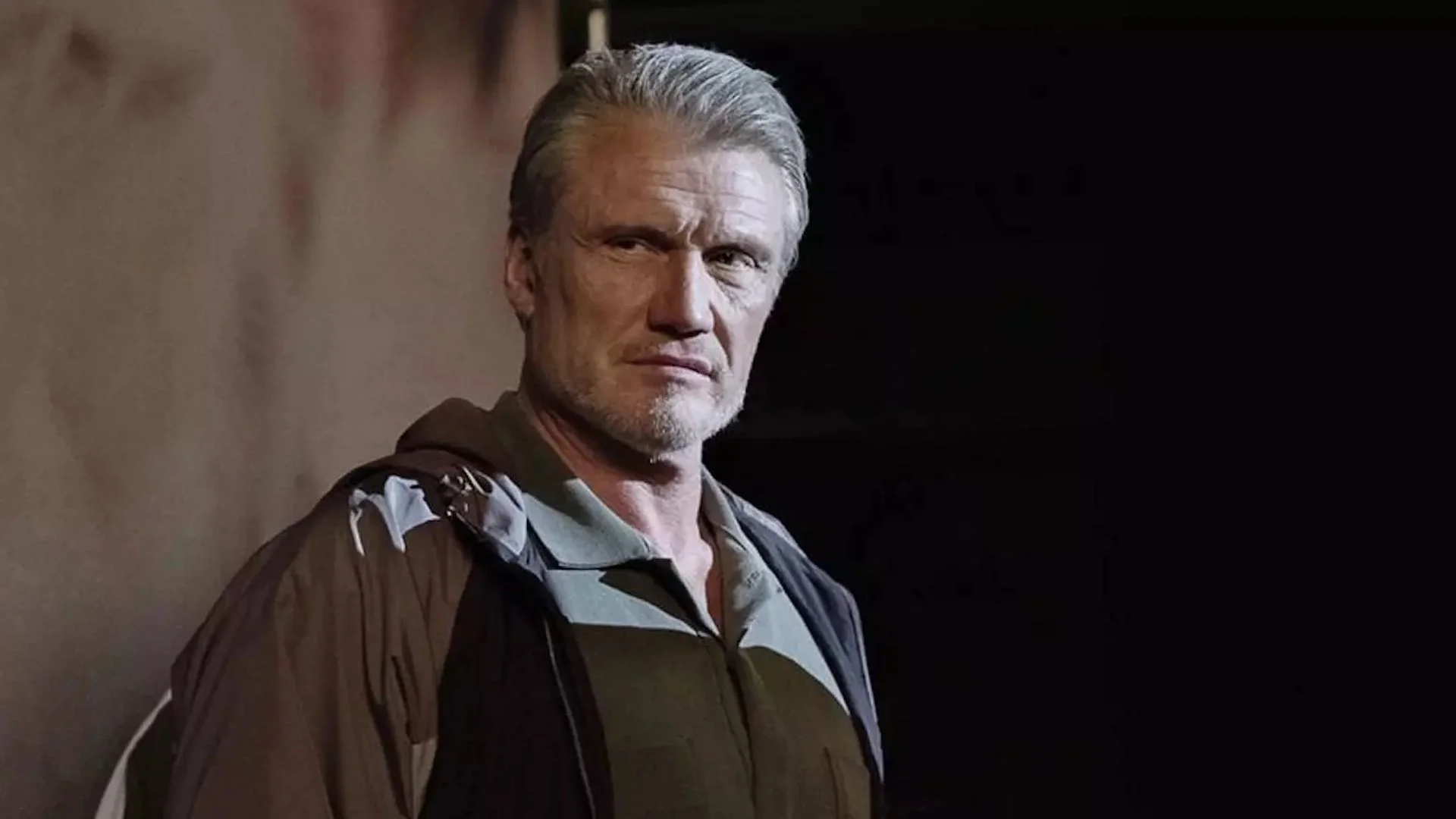
With the new documentary Dolph: Unbreakable premiering at the Torino Film Festival, Dolph Lundgren is looking back and talking about a career built on grit, discipline and physical extremes. But he’s also looking ahead, and what he sees for himself may surprise longtime fans.
Lundgren is searching for roles with more emotional depth, yet he admits there’s one character he may not be done exploring just yet with Ivan Drago.
Lundgren’s breakout role as Drago in Rocky IV still follows him decades later, and instead of brushing it aside, he’s seriously considering another round. As he puts it: “I could still show another side of this guy. Another human side, although I showed a little bit of that in Creed II. He’s interesting because he’s so hard on the surface.”
He talks about how the character fit him at the time, how that cold stoicism almost happened naturally. Drago was powerful because he didn’t have to do much. And even now, Lundgren says the idea of returning works only if there’s a script that pushes into places he didn’t explore before.
In the documentary, Lundgren reflects on the era that shaped him. It was a time when action stars weren’t sculpted through CGI or muscle suits. They had to be the thing audiences saw on screen.
“In the 1980s and 90s, when if you wanted to be a star, you had to look the part. You had to have real muscles, because they couldn’t create them in a computer. You had to work out, do your own stunts and look believable running, jumping and beating everybody up.”
He admits that the job was punishing, but he also describes a sense of solidarity among the icons of that generation. Those films took a toll, and everyone who survived that grind feels it. “If you’re a pro football player or if you go to war, it’s going to be painful also if you’re trying to be an action star,” he says, comparing his career to an endurance test.
What once was a landscape of rivalry between giants like Sylvester Stallone and Arnold Schwarzenegger has mellowed into something else. Lundgren says time has softened everyone, and that they all understand how rare it is to still be here, still working, still remembered.
Apparently, one of the most powerful parts of Dolph: Unbreakable is Lundgren’s openness about his cancer battle. He explains that sharing his experience wasn’t about seeking sympathy; it was about honesty. “If you are being honest, people relate to you more,” he says. His diagnosis in 2020 led to surgeries, treatments that weren’t working and a terrifying prognosis from one doctor.
“He said: ‘You have three years left.’ I drew up my will, started to plan my own funeral and realized I may not be around when this documentary is released.”
But a second specialist offered a new path, and the treatment turned in his favor. Through all of it, he refused to stop working. “I like to work. It keeps me young and it keeps me alive.”
Director Andrew Holmes describes that determination as one of the most defining qualities of the entire production. Lundgren simply wasn’t willing to stop something he’d committed to.
Now that he’s come through the most difficult period of his life, Lundgren is thinking about the kinds of characters he wants to play next. He says he’s drawn to roles that feel quieter and more introspective. “I would like to be a little more internal, more normal,” he explains, adding that his health experience changed the way he views his craft.
He’s candid about the insecurities he carried during his rise, feeling boxed in by Hollywood expectations. Still, he values the connection his films built with everyday audiences, especially when fans tell him they watched his movies with parents who are no longer here. Those moments land strongly for him.
Holmes makes it clear that the documentary digs into more than Lundgren’s filmography. It explores pieces of his life many people never knew about. Lundgren is a master’s-level chemical engineer, Sweden’s former national karate champion and someone who turned down MIT to enter the wild mash-up of fame, nightlife and acting opportunities.
Holmes says one of the most surprising things about working with him was his willingness to acknowledge mistakes and be vulnerable on camera. That openness gave the documentary its shape.
There’s even room for more. With a current runtime of 78 minutes, Holmes hints that buyers may push for expanded content in the future. “Dolph’s got a lot of work left in him, especially as a director,” he says, suggesting this is less a retrospective and more a midpoint.
With his life story on display in Dolph: Unbreakable, Dolph Lundgren stands in a moment of reinvention. He’s still proud of the physical legends he played, but he’s equally interested in stripping things down and finding something more personal in the roles ahead.
While he’s preparing for that shift, he’s not ruling out revisiting Ivan Drago. If he does step into those boots again, it won’t be to repeat the past. It’ll be to reveal a part of the character, and himself, that audiences haven’t seen yet.
Source: Variety