GOLDENEYE on a Budget: How Martin Campbell Crafted a Bond Classic with Just $58 Million
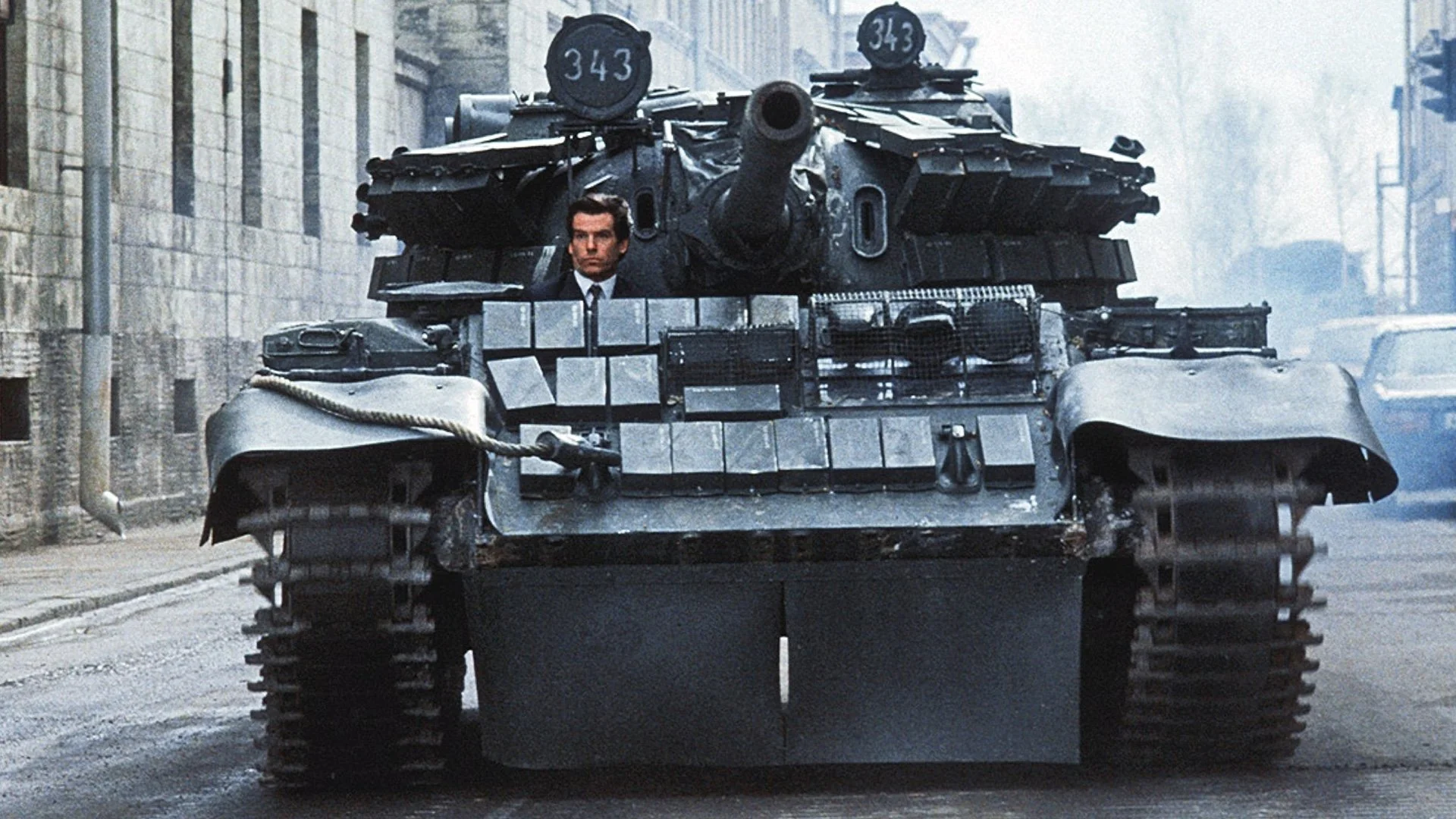
GoldenEye is remembered for revitalizing James Bond and launching the Pierce Brosnan era, but the film had another major hurdle that fans rarely talk about.
Director Martin Campbell had to deliver a massive action film on a surprisingly low budget. With MGM being cautious about Bond’s return, the movie was built through creative problem solving, old school effects and the final contributions of visual effects legend Derek Meddings. Campbell shared how the team pulled it off.
MGM Wouldn’t Loosen the Wallet
After the long break following License to Kill, MGM approached GoldenEye with uncertainty about how audiences would respond to Bond’s comeback.
Campbell explains the limits they were given from day one. “They were not 100 percent sure that people would still want to come and see a Bond movie after the long hiatus. So they were very tight with the budget. We were given $55 million, and we said, ‘We cannot make it for that.’”
The production went slightly over, eventually reaching $58 million. Campbell remembers what he learned later. “After the film came out, the head of the studio told me, ‘I was prepared to go up to 65 million.’ I told him, ‘It is bloody late to tell me that now.’”
Even with the restrictions the film had to feel like a major Bond event, which meant every dollar had to stretch.
The Tank Chase That Almost Happened in Russia
One of the film’s most famous sequences is the tank chase through the streets of Saint Petersburg. Campbell originally planned to shoot the entire chase on location, but the budget forced a rethink. “That was a financial decision, but it turned out to be the correct decision.”
A small second unit captured limited footage in the real city, while Campbell rebuilt large sections of Saint Petersburg at Leavesden Studios.
The recreated streets allowed the team to stage destruction without limits. Campbell laughs about the hindsight. “There was no way that we would be able to knock down all those buildings in the actual Saint Petersburg.”
It ended up being one of the most memorable chases in the series, and it worked because the production embraced the limitations rather than fought them.
Old School Film Magic Instead of Digital Tricks
With the budget tight and digital effects still in their early stages, Campbell leaned heavily on practical effects, models and matte paintings. It gave GoldenEye a textured look that stands apart from later Bond entries.
He reflects on that era with real appreciation. “Back then, there were still artists around that were able to use those techniques.”
Miniatures, physical sets and hand crafted visual tricks gave the film a grounded style that made the action feel real rather than synthetic.
Derek Meddings’ Final Bond Contribution
One of the key forces behind these effects was Derek Meddings, a visual effects artist who worked on many of the Roger Moore films along with Superman and Batman. Campbell speaks with admiration. “Derek was a natural at all of that stuff.”
Meddings passed away shortly before GoldenEye reached theaters, making the film his last contribution to the franchise. Campbell reflects on his legacy. “He created all of the space effects in Moonraker with models, and it was quite brilliant. GoldenEye is probably one of the last films to use those techniques with almost no digital FX at all.”
His craftsmanship is woven through the entire film and is a key reason the effects still hold up decades later.
GoldenEye may look like a large scale Bond adventure, but behind the scenes it was powered by careful planning, practical creativity and a team that made every dollar count.
Campbell took budget limitations and turned them into strengths. The film now stands as one of the best examples of old school action filmmaking in Bond history and a final showcase for Derek Meddings, whose work helped define a generation of 007 visuals.
Source; GoldDerby