HBO’s HARRY POTTER Series May Face Long Delays Between Seasons and Fans Are Concerned
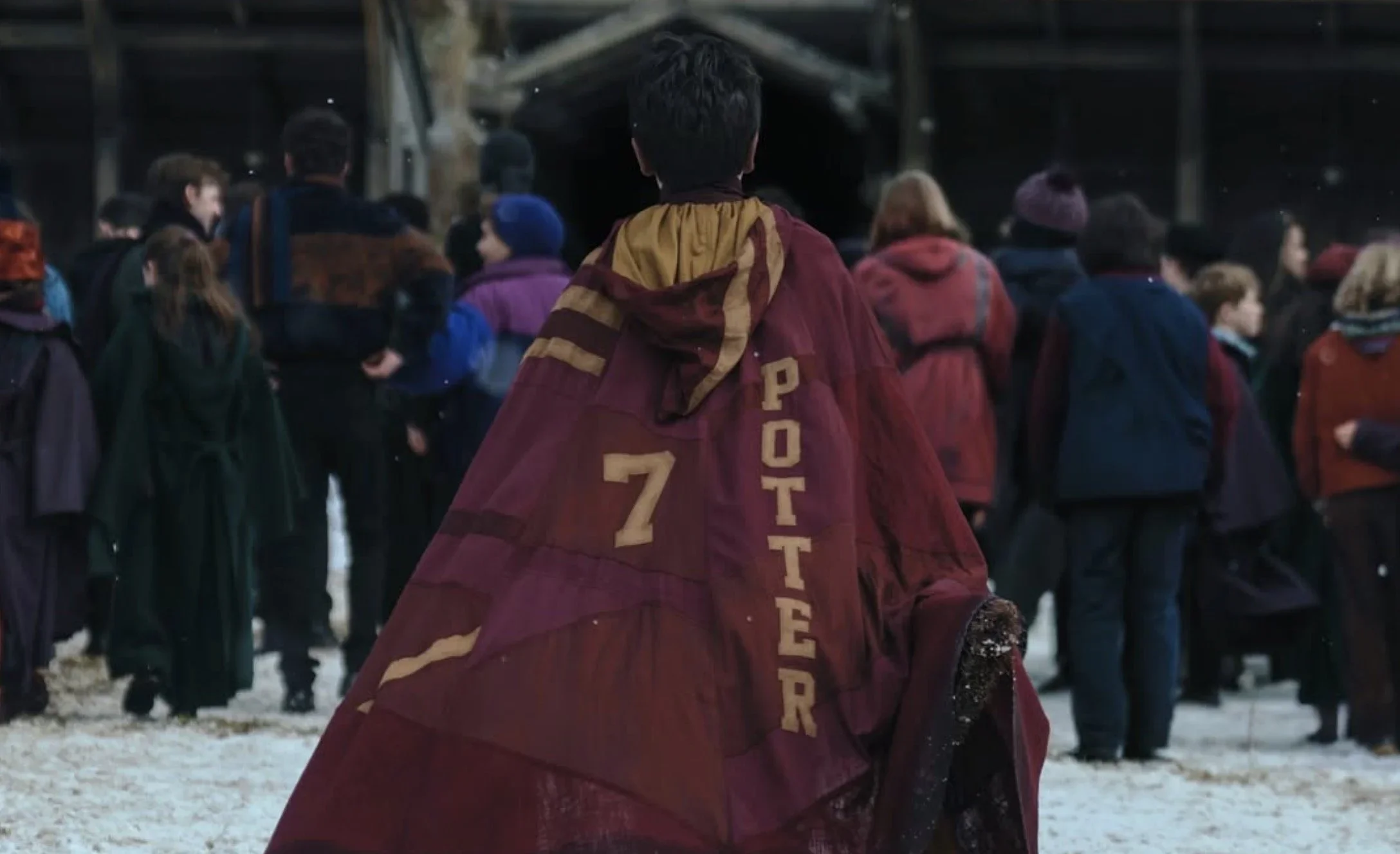
HBO is putting serious muscle behind its upcoming Harry Potter TV reboot, and on the surface, it all sounds pretty exciting. A full series adaptation of all seven books, a brand-new cast, and a long-term plan that could redefine how fans experience the Wizarding World.
But as more details emerge, there’s a growing concern that this ambitious vision could come with some frustrating drawbacks once the show moves past its first season.
The series is currently targeting a 2027 debut for its first season, with plans that suggest each book will get its own season. That sounds like a dream scenario for fans who’ve always wanted a more detailed adaptation than the films allowed. But the bigger question isn’t about Season 1. It’s about everything that comes after.
In a recent interview, HBO boss Casey Bloys opened up about the realities of producing large-scale shows like this, and his comments make it clear that fans shouldn’t expect a quick turnaround between seasons. He explained:
“You have to balance it. For some of the bigger shows like Harry Potter or House of the Dragon, or The Last of Us, huge world-building shows, it would be nice to have those on an annual basis. But from a production point of view, it’s just not possible.
“It’s not that everybody involved is just taking their time and sitting around. These shows are complicated to do. In order to bring a show back on an annual basis, you do have to start from the beginning with people who know how to do it, people like [The Pitt executive producer] John Wells or Greg Berlanti, and it’s helpful if there are not dragons that need to be rendered, or zombies and things like that.”
That pretty much confirms what a lot of people suspected. This isn’t going to be a yearly release schedule. Instead, it’s likely we’ll see gaps of 18 to 24 months between seasons, which has become the norm for effects-heavy TV.
That kind of delay might work fine for shows centered on adults, but Harry Potter isn’t that kind of story. It follows young characters growing up year by year, and if production can’t keep pace, the actors could age faster than their roles. That’s where things start to get tricky.
The original film series managed to pull this off across a decade, keeping the cast mostly aligned with their characters. But TV has already shown how messy this can get. Stranger Things is the perfect example, stretching five seasons across nearly a decade and leaving viewers watching kids age out of their characters.
Fans are already picking up on that risk, and not everyone is thrilled about it. After Bloys’ comments made the rounds online, reactions were pretty blunt.
One fan said, "So they want to drag this out for the next 15+ years and waste everyone's time telling the same story that's already been told twice?" Another added, "I can't believe HBO, the same network that released the first 7 seasons of Game of Thrones annually, can't do that again with Harry Potter."
Those reactions highlight a bigger concern. If the gaps between seasons stretch too long, this adaptation could take well over a decade to finish. That’s a massive commitment for both the cast and the audience, and it raises questions about whether the show can maintain momentum over such a long period.
To be fair, the scale of the production does justify some of these delays. The Wizarding World isn’t exactly easy to bring to life, especially at the level HBO is aiming for. Still, it puts the series in a tough spot where quality and timing are constantly at odds.
It might have been better to do this as a high quality animated series. You can just control everything so much better.
Right now, there’s still plenty to be excited about when it comes to Season 1. But looking ahead, it’s hard not to wonder if the long-term plan might end up working against the show.
If HBO can find a way to keep things moving at a steady pace, it could be something truly special. If not, this could turn into a very long journey through Hogwarts that tests even the most dedicated fans.