New STAR TREK Movie Directors Promise a Fresh Take: “It Can’t Feel Like the Same Star Treks”
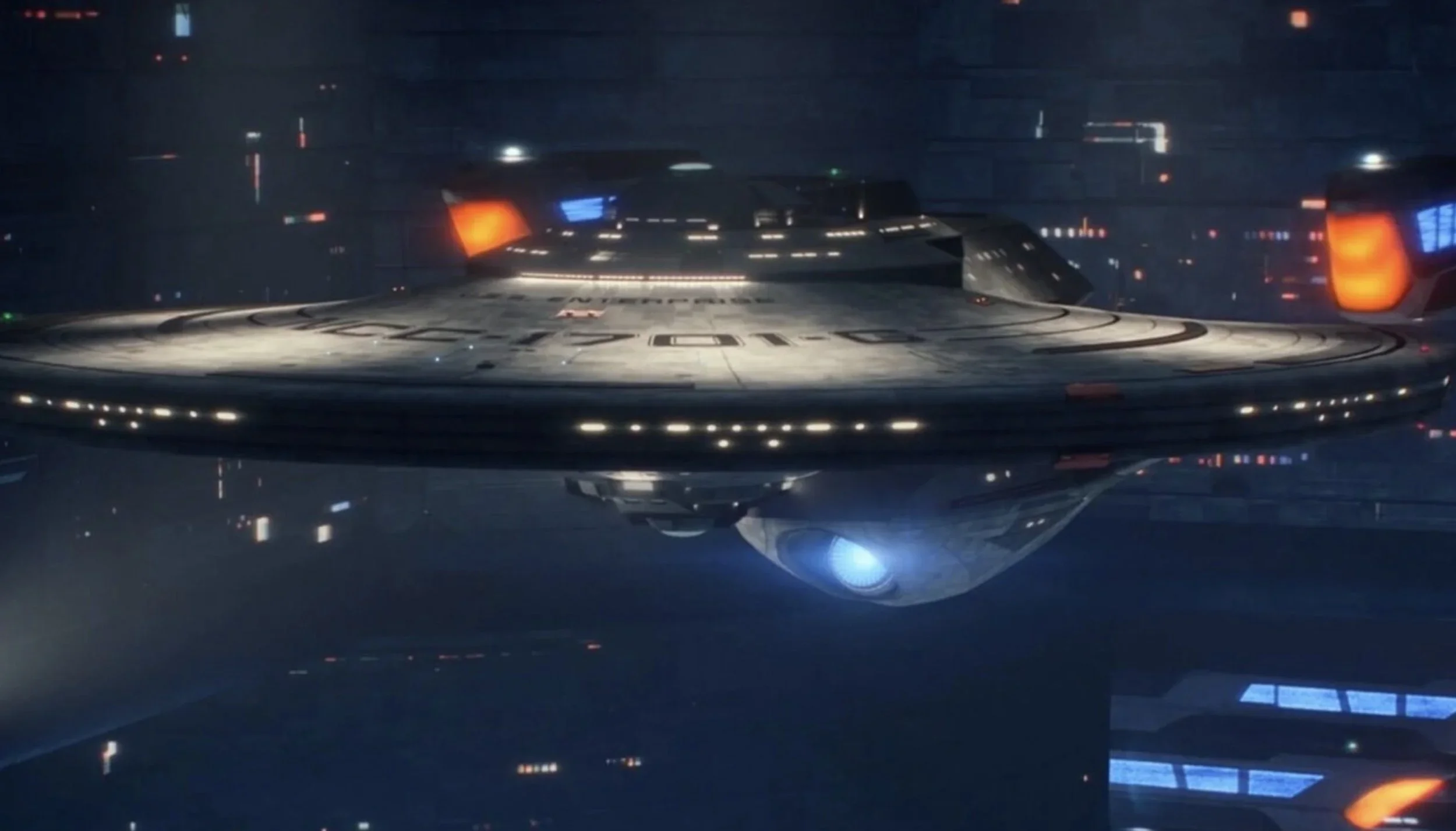
After 60 years of boldly going across television and movie screens, Star Trek may be preparing for one of its biggest course corrections yet.
The franchise’s television presence is shrinking, Paramount is turning its attention back toward theaters, and the filmmakers taking command of the next movie know that simply serving up another familiar Trek adventure isn’t going to cut it.
John Francis Daley and Jonathan Goldstein, the filmmakers behind Dungeons & Dragons: Honor Among Thieves and writers of Spider-Man: Homecoming, have been tapped to write, produce, and direct the next Star Trek movie.
While they aren’t ready to reveal exactly what they’re cooking up, they’re making it clear that their movie needs its own identity.
The timing makes their approach particularly interesting because Star Trek is entering a major transitional period. Star Trek: Strange New Worlds is heading toward its conclusion with an abbreviated fifth and final season, while Star Trek: Starfleet Academy has been cancelled.
Once Strange New Worlds finishes its run, the franchise will break an 11-year streak of having new television projects greenlit or in production. That leaves the movies looking increasingly important to whatever comes next.
Daley and Goldstein recently spoke with CinemaBlend at San Diego Comic-Con, where Goldstein talked about being a longtime fan of The Original Series and The Next Generation. He even had the geeky pleasure of meeting George Takei, the legendary Sulu actor, at their hotel.
Being a fan, however, doesn’t mean Goldstein wants the new film to survive entirely on memories of what came before. He explained that he and Daley are very aware of just how much Star Trek audiences have already seen across movies and television, including J.J. Abrams’ films and the franchise’s more recent streaming era.
Goldstein explained: “I think we understand that there is such an influx of different Star Trek material that’s out, uh, that had been portrayed, you know, most recently in cinema by JJ Abrams and also in the multitude of television shows.
“So it was very important we understand that this is something that has to set itself apart. It can’t feel like the same Star Treks that we’ve seen in the past while still being true to the kind of core ideals of it.”
That sounds like exactly the problem a new Star Trek movie needs to solve. There’s a tricky balance here. Push things too far away from what audiences recognize and you risk losing what makes Star Trek special. Play things too safely and you’re asking fans to buy another ticket for a variation of something they’ve already watched countless times.
The franchise also has six decades of history hanging over every new project. Kirk, Spock, Picard, the Enterprise, Klingons, Starfleet, the Federation, familiar timelines and returning characters are all powerful pieces of the Star Trek universe, but constantly reaching backward can eventually make a franchise feel smaller rather than larger.
And this isn’t exclusively a Star Trek problem. Star Wars, Doctor Who, and even the Marvel Cinematic Universe have spent years figuring out how much nostalgia audiences actually want.
Familiar characters and callbacks can still be fun, but nostalgia has diminishing returns when it becomes the primary reason for telling another story. Eventually, these franchises have to create new characters, new situations and new ideas that audiences will want to be nostalgic about 20 years from now.
All of this is happening as Hollywood reassesses its massive investment in streaming. The peak-streaming era has cooled, and studios that spent years pumping enormous amounts of money and content into their services are cutting back. Star Trek, Star Wars, and the MCU have all reduced their small-screen output as theatrical movies once again become a bigger part of their plans.
Moving audiences from their couches back into theaters isn’t automatically going to work, though. The Mandalorian and Grogu has already demonstrated how difficult that transition can be at the box office. A popular streaming property doesn’t necessarily become a theatrical event simply because it’s projected onto a bigger screen.
That makes Daley and Goldstein’s comments about separating their Star Trek movie from previous incarnations even more important. A new theatrical Trek can’t just feel like an extra-long streaming episode, and it probably shouldn’t try to imitate the J.J. Abrams movies either.
If Paramount wants audiences to view Star Trek as a major theatrical franchise again, the movie needs to give people a reason to leave home and experience it with a crowd.
Daley and Goldstein are an intriguing pair to attempt it. Their work has shown an ability to handle humor, character dynamics, adventure and established geek properties without treating the source material like something that belongs under glass.
Dungeons & Dragons: Honor Among Thieves in particular understood its world while still being accessible to people who couldn’t tell a Beholder from an Owlbear. Star Trek could benefit from that same philosophy.
The core ideals Goldstein mentions are arguably more important than any particular Enterprise, captain or timeline.
Exploration, optimism, curiosity, diplomacy, science and the idea that humanity can actually become better are what have allowed Star Trek to survive for 60 years. You can change quite a lot around those concepts without losing the heart of Trek.
Right now, we still don’t know what Daley and Goldstein’s movie will actually look like, who will star in it, where it will sit within the larger Star Trek universe, or whether it will connect to characters audiences already know. But the filmmakers appear to understand the assignment: respect the history without becoming trapped by it.
After six decades, maybe the best way for Star Trek to keep going is to stop asking audiences to look backward and give them something genuinely new to explore.
And really, isn’t that what Star Trek was supposed to be about in the first place?