THE BOYS Showrunner Eric Kripke Explains Why the Series Finale Didn't Go Full "Scorched Earth"
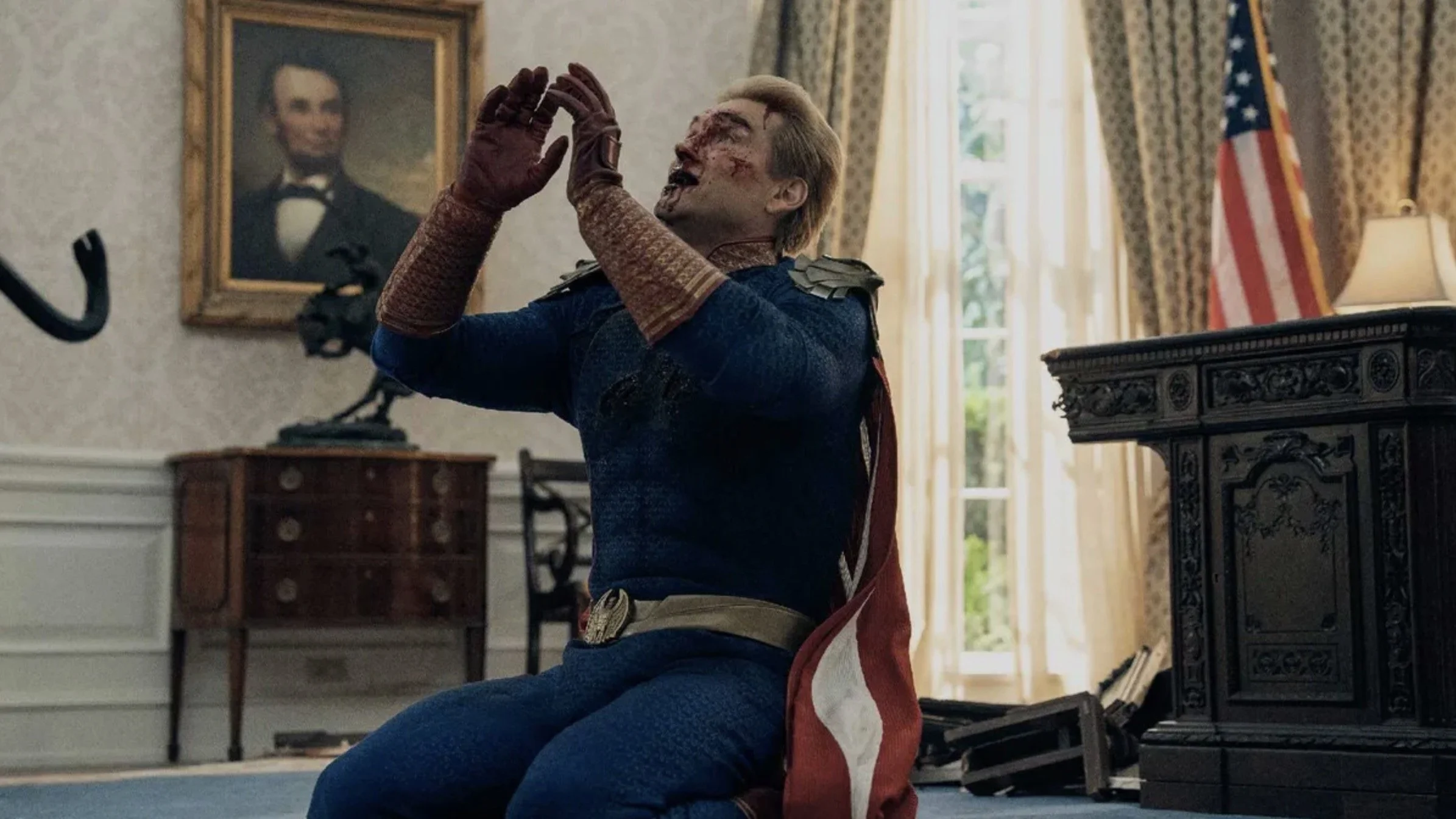
After five seasons of chaos, exploding heads, political corruption, and some of the most outrageous moments ever put on television, The Boys has finally reached the end of the road.
And while the finale delivered the long-awaited showdown between Homelander and Billy Butcher, not everyone walked away feeling satisfied.
A lot of fans expected the series to end with a much larger-scale disaster, especially after years of teasing a potential "scorched earth" conflict between the show's two biggest forces.
Instead, the final battle remained grounded in the world the series had built from the beginning, culminating in Homelander's death during a confrontation at the White House.
The reaction has been divided. Some viewers appreciated the more personal approach to the ending, while others hoped for something bigger and more explosive after five seasons of buildup.
In a recent interview with Eric Kripke, the creator and showrunner of The Boys, he addressed those reactions and explained why the series never headed into full post-apocalyptic territory.
"For whatever reason, there are definitely people that the show is not working for this season, whether it be pacing, whether it be lack of giant fight scenes," he told Rolling Stone, admitting that he reads all of the fan comments "obsessively."
Kripke went on to explain that his priorities for the final season remained the same as they had always been throughout the show's run:
"All I can say is I set out to tell a particular angle on this story. I did what we do every season, which is try to focus on the Boys and try to make it a world that's recognizable to the one we live in. I really wasn't interested in a post-apocalyptic world. That just wasn't ever gonna be in the cards."
It's a perspective that makes sense when looking back at the series as a whole. Despite all the superhero spectacle, The Boys has always leaned heavily into satire and commentary rooted in recognizable real-world issues. Turning the final season into a wasteland survival story would've fundamentally changed the DNA of the show.
Kripke also made it clear that he's comfortable with the choices the creative team made, regardless of the criticism.
"I don't regret it. I'm happy with how it turned out. And luckily the majority of the audience agrees, and that was a very comforting piece of information."
Whether fans loved the ending or wanted something bigger, it's clear Kripke wasn't interested in chasing scale for the sake of scale. His goal was to bring the stories of Butcher, Hughie, and Homelander to a close while keeping the series grounded in the world it had spent years building.
Not everyone agreed with that decision. A lot of fans didn’t care for the small-scale action because it felt like a letdown after five seasons of build-up.
That criticism seems to sum up much of the conversation surrounding the finale. The character arcs reached their conclusions, but some viewers were left wanting a larger spectacle to accompany them.
Still, with The Boys now wrapped up and the franchise preparing to continue with Vought Rising, Kripke's comments offer some insight into the creative philosophy that guided the ending. He wasn't looking to destroy the world. He wanted to finish the story of the people fighting for it.
Whether that was the right call will probably remain a topic of debate among fans for a long time.