This Visually Stunning Scene in PROJECT HAIL MARY Took Serious Movie Magic to Pull Off
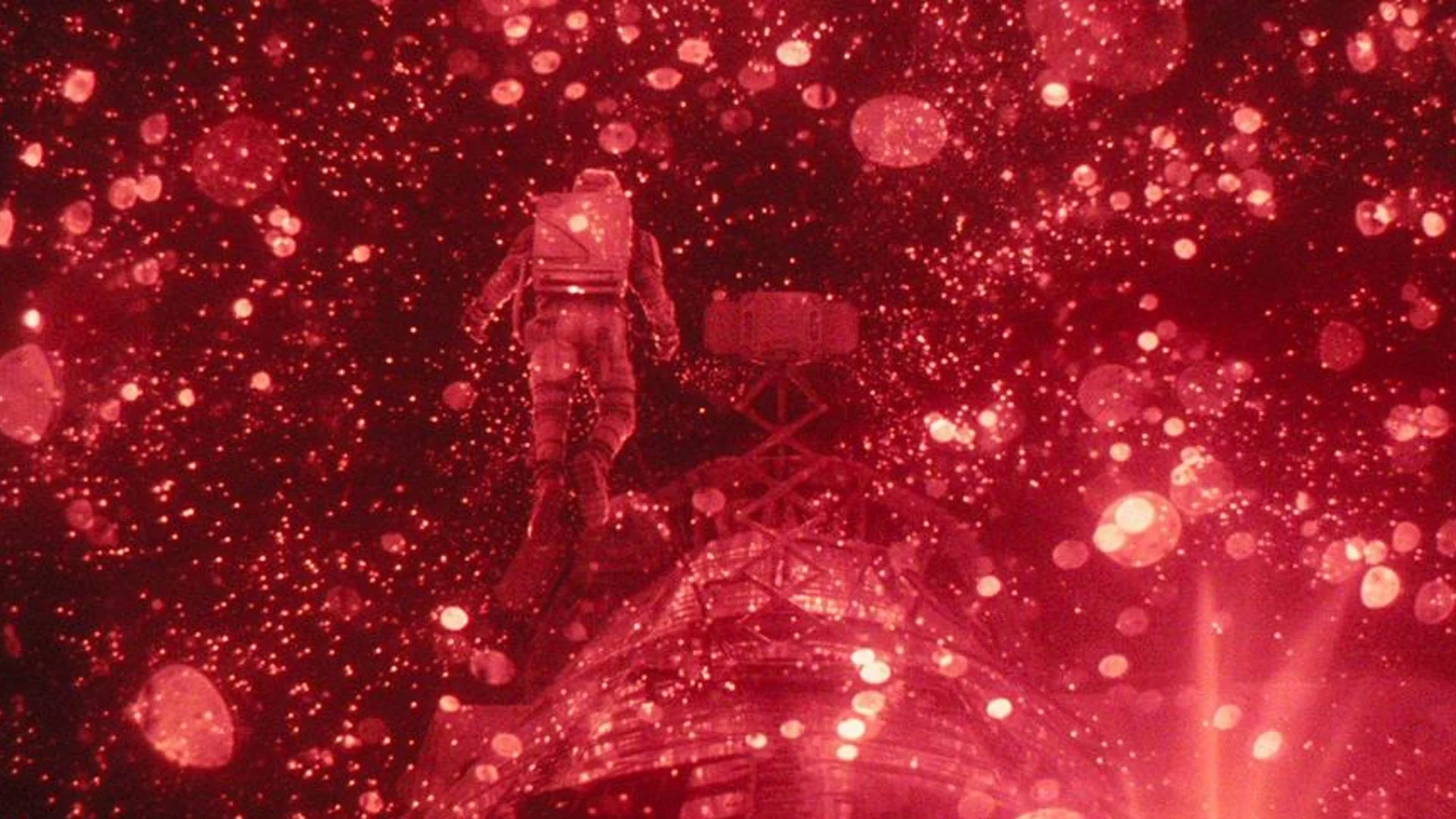
If you thought Project Hail Mary was ambitious just from watching it, the reality of making it is even crazier. This sci-fi epic throws everything at the screen, from interstellar travel to alien teamwork, but the most difficult scene to pull off wasn’t what you’d probably guess.
According to directors Phil Lord and Chris Miller, the biggest challenge came down to one visually stunning, science-heavy moment that nearly broke their brains figuring out how to shoot it.
For a movie that feels so polished and effortless, the amount of experimentation behind the scenes is kind of wild. Once you hear how they pulled off the astrophage sequence, it will make you appreciate the movie on a whole new level.
At first glance, you’d assume pairing Ryan Gosling with the alien Rocky would be the hardest part. After all, that character came to life through a mix of puppetry and visual effects.
Or maybe the real challenge was in the script, with Drew Goddard deciding what to keep or change from the source material. But nope, the real headache came from a scene that audiences might not even realize was so complicated.
It’s that unforgettable moment when Ryland Grace steps outside the ship and is suddenly surrounded by astrophage, those strange, sun-devouring organisms. It’s a striking visual in the film, glowing with eerie reds and pinks, and it turns out it took a ton of trial and error to get right.
Miller broke it down during The Big Picture podcast, explaining just how long it took to crack the code: "This took a while to R&D but, when we got it, it was crazy magical."
He went on to explain what they were actually trying to capture: "We get a moment to visualize what an [infrared] camera would be seeing and what's actually all around him."
Astrophage isn’t something you can just film directly. It exists in a spectrum humans can’t see, so the filmmakers had to invent a believable way to show it to audiences without losing the science behind it.
And their solution? Surprisingly practical, and kind of genius. Miller revealed how they built the effect using real-world setups:
"The way that we did that was, you take a filter out of the camera that's blocking [infrared] light and made this beautiful pinkish, reddish color. And what we did was put Ryan [Gosling] on a stage surrounded by a bunch of chicken wire filled with infrared lights that were sparkling."
Lord added another layer that makes it even more inventive: "[Cinematographer Greig Fraser] built an aquarium, sort of like a double-glass window with a hose that was dripping water through it."
So, Gosling is acting inside a cage of invisible lights while water drips between panes of glass in front of the camera, and here’s the kicker. Nobody on set could actually see the final effect with their own eyes. They had to rely on monitors to understand what they were capturing.
Miller later shared even more detail about how the scene came together, offering a peek at the full process:
"Here's a video I took while we were shooting. You can see on the upper right Tomas pouring water into a tube that runs between 2 panes of glass in front of the handheld camera Greig operates, giving a smeary, drippy look.
“Ryan stands in a cage of blinking IR lights which are invisible to the naked eye, but in the monitor it's beautiful. We used this method for closeups. Medium-wides we did on the spaceship set with fewer lights & a lot of digital augmentation/replacement from ILM, and wides were fully digital from ILM, to match this look."
That combination of practical effects and digital work is what makes the scene feel so grounded, even though it’s depicting something completely alien and invisible.
It’s also a great reminder of why Project Hail Mary works so well. The movie doesn’t just rely on CGI to carry everything. There’s a ton of creativity baked into how these moments were built from scratch, blending science, filmmaking tricks, and a bit of chaotic experimentation.
Judging by how audiences have responded, especially on massive IMAX screens, all that effort paid off in a big way. The astrophage sequence isn’t just cool to look at, it pulls you right into the danger and wonder of the story.
Sometimes the hardest scenes to make are the ones that seem the most effortless on screen. In this case, it took cages of invisible light, dripping water rigs, and a whole lot of trial and error to bring something completely unseen to life, and it turned out pretty awesome.