Why THE LORD OF THE RINGS: THE FELLOWSHIP OF THE RING Was Almost Never Made
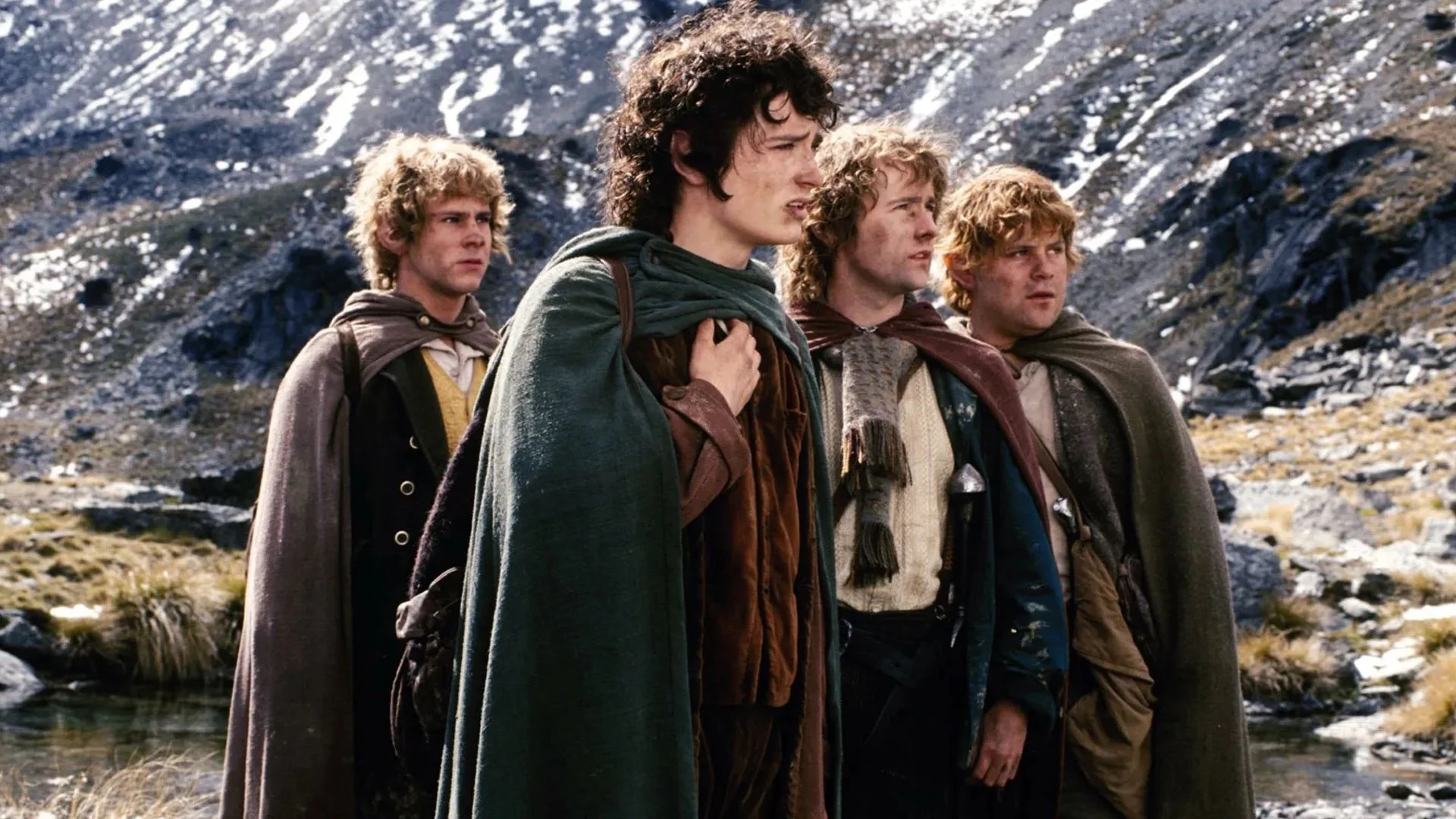
For decades, The Lord of the Rings sat on a strange pedestal in Hollywood. Revered, feared, and endlessly discussed, but never fully embraced. Studios wanted it, filmmakers dreamed about it, but nobody could crack it.
J.R.R. Tolkien’s world was too big, too dense, too strange, and too expensive. Middle-earth wasn’t just a setting. It was an entire mythology with its own languages, histories, and cultures. Translating that to film felt like an invitation to disaster.
That’s what makes The Lord of the Rings: The Fellowship of the Ring such a miracle. It wasn’t inevitable. It wasn’t safe. It very nearly didn’t exist at all.
Decades of Failure and False Starts
Long before Hobbits ever stepped onto a New Zealand hillside, Hollywood tried and failed to bring Tolkien’s saga to the screen. The most infamous attempt came in the late 1960s when The Beatles seriously explored adapting the story as a starring vehicle for themselves. That version never made it past the idea stage, collapsing under the sheer absurdity of the concept and the impossible logistics.
In the 1970s, filmmaker John Boorman took a serious swing. His version was ambitious, strange, and personal. It also scared the hell out of studios. The script condensed Tolkien’s epic into a single film and leaned hard into surreal imagery and symbolism. Financing fell apart, and the project became another cautionary tale.
Those failures fed a growing belief inside the industry that Tolkien’s work simply couldn’t be filmed. The books weren’t structured like traditional movies. There was no neat three-act formula, no single hero’s journey, and no obvious way to trim the fat without alienating fans. Every attempt to simplify the story seemed to break it.
Tolkien vs. Hollywood Math
At the heart of the problem was scale. Tolkien didn’t write a novel designed for adaptation. He built a world first and then dropped stories inside it. Middle-earth spans ages, continents, and bloodlines. It demands armies, creatures, landscapes, and languages that don’t exist anywhere else.
For decades, studios ran the numbers and backed away. The technology couldn’t sell it, and the cost couldn’t be justified. Fantasy films that did make it to theaters often looked cheap or cartoonish, which only reinforced the idea that this genre belonged on the margins. Dragons and wizards were box office poison unless they were played for laughs.
Before Fantasy Was Allowed to Be Cool
By the early 1990s, fantasy still carried a stigma. Sci-fi had found its footing. Action films ruled the multiplex and fantasy was treated as niche or childish. The idea that audiences would sit through hours of Elves speaking in ancient tongues felt laughable to studio executives.
That cultural climate mattered. Tolkien didn’t need just the right filmmaker. He needed the right moment.
Technology Finally Catches Up
That moment arrived quietly. Digital effects began evolving past novelty into something more grounded. Visual effects could finally blend with real performances instead of replacing them. Forced perspective, motion capture, and large-scale compositing were no longer theoretical. They worked.
Peter Jackson understood that shift before most people in Hollywood did. According to his manager Ken Kamins, Jackson believed “the reason Lord of the Rings could get made was because technology had finally caught up with Tolkien’s imagination.”
That belief became the foundation for everything that followed.
Why Peter Jackson Was the Right Kind of Risk
On paper, Peter Jackson didn’t look like the guy to pull this off. He wasn’t a Hollywood insider. He wasn’t an established blockbuster director. His most acclaimed film at the time was the Oscar-nominated Heavenly Creatures, a haunting drama that proved he understood character, tone, and emotional weight.
What Jackson had was obsession, clarity, and a deep respect for the source material. He didn’t see Tolkien as a problem to be fixed. He saw it as a blueprint.
That perspective attracted allies who believed in him early, including future New Line Cinema producer Mark Ordesky, who recalled Jackson arriving in Los Angeles years earlier, crashing on couches and talking movies. Ordesky knew Jackson wasn’t chasing spectacle for its own sake. He was chasing authenticity.
Jackson also understood something crucial. Middle-earth had to feel real, not heightened, not stylized….Real. That philosophy would eventually drive everything from casting choices to filming the trilogy back-to-back in New Zealand, far from Hollywood’s interference.
The Miracle Before the Movie
By the time cameras rolled, The Fellowship of the Ring already carried the weight of decades of failure, doubt, and near-misses. Studios had passed. Legends had tried and failed. The genre itself had been dismissed.
That’s what makes the film’s existence so incredible. It wasn’t built on confidence. It was built on stubborn belief and a filmmaker willing to gamble everything on a story everyone else thought was impossible to tell.
And against all odds, Middle-earth finally found its way to the screen.