Elon Musk Challenges Christopher Nolan With an AI-Generated THE ODYSSEY That’s More Style Than Substance
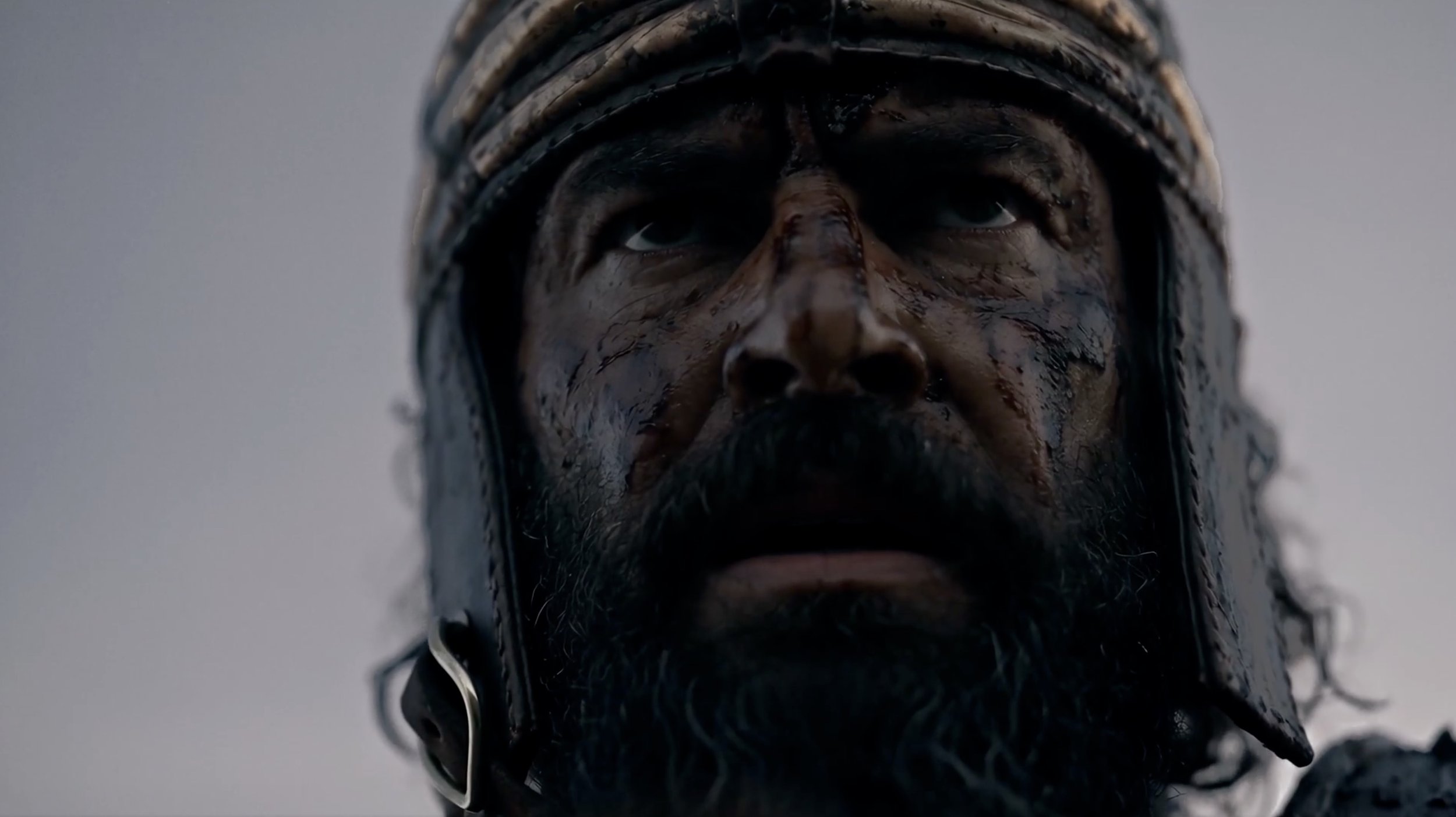
Elon Musk has officially entered the Trojan War, armed with artificial intelligence and a mission to give Homer’s legendary Greek epic a supposedly more historically accurate adaptation.
His AI-generated version of The Odyssey has finally arrived, although anyone expecting a full-length movie might be a little disappointed. So far, we've gotten seven minutes.
The project was created using Musk’s Grok Imagine AI technology in collaboration with Wonder Studios and director Dev Walker. It's being presented as the first episode of an ongoing series, despite Musk previously promising an entire feature film that would challenge Christopher Nolan's big-budget adaptation of The Odyssey.
The whole thing started when Musk criticized Nolan's casting choices, particularly the inclusion of actors of different racial backgrounds in a story rooted in ancient Greek mythology. He argued that Hollywood was sacrificing historical accuracy for modern representation and announced plans to create his own version using AI.
That turned an adaptation of Homer's ancient poem about Odysseus returning home after the Trojan War into another online argument about Hollywood, political correctness, and who gets to decide what makes a faithful adaptation.
Of course, there's also the question of how historically accurate a movie about gods, monsters, and mythical adventures can really be. But that's an argument for another day.
The first episode of Musk's Odyssey does offer an interesting look at how far AI filmmaking has come in just a few years. Some of the landscapes are impressive, the ships look convincing, and there are moments when the footage could pass for something from an actual Hollywood production.
That's pretty remarkable considering how recently AI-generated videos were producing people with extra fingers, melting faces, and movements that looked like something out of a nightmare.
Unfortunately, making convincing images and making an entertaining movie are two very different things.
The episode follows Odysseus as he prepares to leave his family and join the Trojan War. We see him arguing over the coming conflict, his wife Penelope encouraging him to fulfill his duty, and Greek warriors preparing for battle.
There's also a scene involving a soldier getting seasick, along with shots of young Telemachus learning to fight while his father experiences the horrors of war. The problem is that these moments don't quite come together into a compelling story.
Characters deliver dramatic declarations, warriors shout “vengeance!”, and Odysseus slams a table to communicate his frustration. Penelope addresses him as “my love” while urging him toward a war he doesn't want to fight.
Everything looks like it should be important, but the characters haven't been given much opportunity to make us care about what's happening. Instead of a proper opening chapter, the footage often resembles an extended cinematic trailer for a video game.
There are plenty of sweeping images, serious expressions, and dramatic music, but the storytelling struggles to connect those elements into something engaging.
To be fair, this is still an impressive demonstration of what's becoming possible with AI-generated video. Independent filmmakers could potentially use technology like Grok Imagine to create ambitious visuals without needing massive studio budgets. That's an exciting possibility, especially for creators who have great ideas but limited resources.
At the same time, the technology still has a long way to go when it comes to delivering natural performances, meaningful character interactions, and the kind of emotional connection that makes a movie memorable.
There's also the larger debate surrounding AI filmmaking itself. Some see these tools as a way to make filmmaking more accessible, while others worry about their impact on actors, artists, animators, and the thousands of people whose creative work goes into traditional productions.
Musk's involvement has added another layer to that discussion by positioning his version of The Odyssey as an alternative to what he considers Hollywood's politically influenced storytelling.
But removing real actors or promising historical accuracy doesn't automatically produce a better movie. Ultimately, the finished work still needs a good story, script, interesting characters, and a reason for audiences to keep watching.
Wonder Studios seems pretty enthusiastic about what they've accomplished, writing in its announcement: “Homer didn’t have Grok. We do.”
It's a funny little statement, especially considering that Homer managed to create one of the most enduring stories in human history without artificial intelligence, digital effects, or a subscription to X.
For now, there's no confirmed release schedule for additional episodes, and it's unclear whether Musk's original promise of a full-length AI-generated Odyssey will eventually materialize.
The first seven minutes demonstrate that Grok Imagine can produce some impressive cinematic imagery, but the bigger challenge is turning those images into something audiences genuinely want to watch and deliver a story with a real soul.
For now, though, Homer's epic has survived nearly 3,000 years, and it's going to take more than seven minutes of AI-generated warriors looking angry to give it a serious run for its money.
You can check out the first episode below and judge for yourself.